
Floors are all around us, but most people never think about how they’re made. In the UK, we have special rules to help make sure floors are safe and last a long time. These rules are called British Standards, and BS 8204 is a major one for floorings of every kind. This guide will help you understand what BS 8204 means, why it matters, and how following it leads to better and safer floors.
Why British Standards in Flooring Matter?
British Standards aren’t just paperwork – they give builders and installers a shared set of rules to follow. For floorings, these standards make sure the finished floor is strong, even, and safe to use. Without such rules, there could be bumpy floors, cracks, or trip hazards. When everyone sticks to things like the code of practice in BS 8204, there’s trust. You know the floor meets quality checks, matches the job, and is built to last. That’s why having a code matters so much.
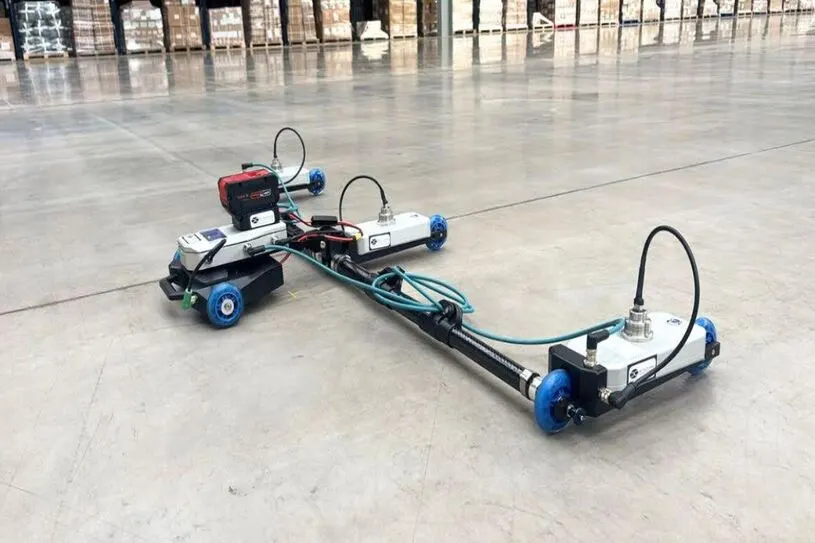
Who Issues BS 8204 and Why Do Flooring Contractors Follow It?
BS 8204 comes from the British Standards Institution (BSI). The BSI is a UK group that writes standards for all sorts of products and work. Flooring contractors follow BS 8204 because it gives them a clear method to do every part of the job right. They get guidance and recommendations that help avoid errors and speed up each step, from the concrete base to the final coverings. Sticking to BSI rules means fewer mistakes, happier customers, and a better finished floor.
Different Parts of BS 8204
BS 8204 isn’t just one rule – it’s many. Each part talks about different kinds of floors, levelling screeds to receive floorings, or special ways to check if the work is done properly.
- BS 8204-1: This section covers concrete bases and cementitious levelling screeds to receive floorings. It gives advice on how to prepare and install the base and the levelling screeds so they are ready for what comes next. Getting the base right is very important for making sure the whole floor turns out well. If the base is off, the floor won’t last.
- BS 8204-2: BS 8204-2 covers ‘wearing screeds’—that means the hard, top layer that you might use as the final floor without another covering. This part sets out the correct specification and tests to make sure these top screeds can handle all the smashing, scraping, and wear they’ll get in busy places. It matters a lot in warehouses and factories, where a concrete floor must be really tough.
- BS 8204-3: BS 8204-3 is for polymer-modified cementitious screeds and wearing screeds. Adding polymers helps screeds dry faster, flex more, and stick better. This section gives advice on how to use those special materials. Done right, you get a longer-lasting bond and fewer cracks or loose layers, especially where floors get heavy use.
- BS 8204-4: Here we look at cementitious terrazzo wearing surfaces. Terrazzo is a decorative mix, often with chips of stone or glass in cement. BS 8204-4 tells you what mixtures to use, how to lay the terrazzo, and how to finish it off. The aim is to create a smooth terrazzo floor that doesn’t chip or break, even where lots of people walk.
- BS 8204-5: BS 8204-5 targets mastic asphalt wearing surfaces. Mastic asphalt creates solid, waterproof floors that last, especially where moisture might be a problem—think car parks or balcony floors. This part gives recommendations to get the asphalt spread out flat, strong, and seamless. If it’s not done right, water can get through, or puddles will form.
- BS 8204-6: Here, the standard covers synthetic resin floorings. Resin floors are smooth, strong, and easy to clean, which is why you find them in hospitals or kitchens. BS 8204-6 shows how to prepare the concrete base, apply resin, and test the bond. If you follow these tips, the floor won’t bubble, crack, or peel, and it will meet its specification.
- BS 8204-7: The last part, BS 8204-7, is about pumpable self-smoothing screeds. These are poured to create a flat base, usually for another type of floor covering to sit on top. The guidance tells you how thick to make these screeds and what checks to do so that the floor underneath is just right for the floor coverings you’ll use later.
Why BS 8204 Compliance Matters?
There’s a reason people follow BS 8204 – no one wants floors that crack or fall apart. Meeting the recommendations helps avoid early damage, water leaks, or floors that are unsafe. It keeps businesses from losing time or money due to repairs. Owners know their floor is built to last, and workers know exactly what’s expected, making jobs safer and smoother. Compliance is a way to prove the floor matches tough UK standards set by the British Standards Institution.
5 Key Requirements and Guidance in BS 8204
BS 8204 is packed with advice. Here are five big points that everyone should know if they want a solid, proper floor.
-
- Minimum screed thicknesses & tolerances: Every type of screed must have a minimum thickness to do its job. If it’s too thin, it can bend or crack. The standard shows the right depth for each type. It even says how much variation or ‘wiggle room’ you’re allowed. That way, the basics and in-situ floorings end up strong, which is what you want.
- Surface Regularity Classes: There are three surface regularity classes: SR1, SR2, and SR3. Each class tells you how flat your floor should be, tested with a long straight stick called a straightedge. Need a super-flat finish for equipment or tiles? Aim for SR1. For more relaxed areas, SR2 or SR3 is fine. The class makes a difference in safety and appearance.
- Abrasion Resistance (BS 8204-2): BS 8204-2 doesn’t just care about looks. It checks how well the floor stands up to scuffing, scraping, and daily use. You want abrasion resistance because floors get battered in warehouses and schools. The better the resistance, the longer your floor lasts before you see marks or need repairs.
- Synthetic Resin Flooring Guidance (BS 8204-6): For synthetic resin floorings, there’s lot to remember. Mixing the materials, preparing the concrete, and laying everything in the proper order—these steps are critical. BS 8204-6 details how to get a proper bond and what inspection steps to follow. Done right, the resin floor holds up to tough wear and stays good looking.
BS 8204 Testing Methods and Measurements
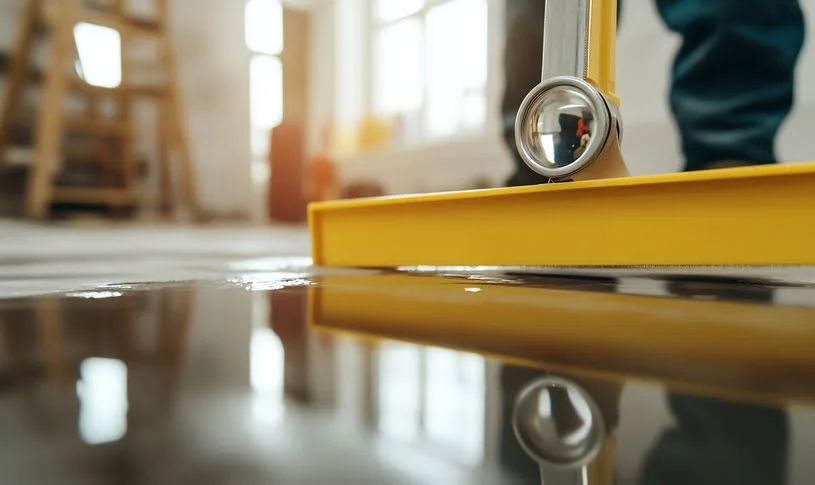
Testing is a big part of BS 8204. You can’t just look at a floor and guess – there are set checks and tools to use before you say it meets the recommendation.
- Surface regularity (SR1, SR2, SR3 classifications): You use a 2-metre straightedge and measure any gaps. The smaller the gap, the flatter the floor. SR1 is for places that need perfect flatness, like computer rooms. If the gap is too large, it doesn’t pass. This simple test catches uneven areas quickly.
Abrasion resistance tests: To see how tough the wearing screed really is, a machine rubs across it again and again. You measure how much the surface wears away. A strong floor won’t lose much, which proves it will last longer through heavy use. - Pull-off adhesion testing: This checks the strength of the bond. A small disc is glued to the surface, and a tool pulls it upwards until it comes off. Good adhesion means the layers won’t break apart easily. If the bond is weak, you could get bubbles or lifting later.
- Impact resistance: Heavy things get dropped on floors sometimes. This resistance test uses a weight dropped from a fixed height to see if the floor cracks or dents. It’s very important for industrial and commercial floors, especially concrete bases and cementitious layers.
- Moisture content testing: Moisture is an enemy of good floor coverings. Too much water in the concrete base or levelling screed can ruin the bond, cause mould, or make coverings come loose. The standard offers methods to check if surfaces are dry enough before anything else goes on top.
5 Common Applications and Industry Relevance
Not every floor has the same job. Here’s where BS 8204 really makes a difference and why it matters across lots of industries.
- Warehouses and logistics hubs: Here, the floor takes heavy loads from forklifts and pallets. It needs to be very flat so machines run smoothly and safely. BS 8204’s code of practice means concrete and screeds used here pass all the tough checks for evenness, thickness, and strength.
- Commercial office spaces: Offices need floors that look neat and work well with different floor coverings. Using the standard’s guidance for levelling screeds to receive floorings keeps things level, so carpet or tile sits right and the space feels professional and comfy.
- Healthcare and hygienic flooring: Hospitals and clinics can’t have floors that gather germs. BS 8204-6’s advice for synthetic resin floorings is important. It makes sure hospital floors are smooth, easy to wash, and tough enough to stand up to lots of cleaning with strong chemicals.
- Retail environments: Floors in shops must look good and deal with lots of people walking in. Whether the base is concrete, terrazzo, or something else, BS 8204 gives the correct specification to stop cracking, keep things level, and keep customers happy.
- Car parks and industrial spaces: Car parks face rain, oil, and car tyres all the time. The floors need water resistance and lots of strength, which you get with the right mastic asphalt or polymer modified screeds. BS 8204 helps avoid slippery, cracked, or failing car park floors.
Risks of Ignoring BS 8204 Standards
If you ignore BS 8204, you might get floors that bend, crack, or let water in. That can cost big money to repair, especially if you have to stop work or close a shop for fixes. There could be accidents, injuries, or unhappy customers, too. Following the standard from the start means fewer nasty surprises down the road, and it protects your business and reputation.
How DC Flooring Ensures BS 8204 Compliance?
DC Flooring pays close attention to every detail from the start of a project. We review the code of practice and match the specification to what’s needed. From concrete base to levelling screed or synthetic resin, we go step by step. Our team checks moisture, flatness, and thickness, following every BSI and BS 8204 recommendation. That way, the final floor meets every rule and stays strong for years.
Learn More About BS 8204 British Flooring Standards
Understanding BS 8204 is essential for ensuring your concrete floor meets recognised British standards for quality, flatness and performance. Discover what the standard covers and why it matters for commercial and industrial flooring projects
FAQs
Is BS 8204 a legal requirement in the UK?
No, BS 8204 isn’t a law, but it’s a recognised code of practice and a strong recommendation for good building work. Sometimes contracts may require it, and courts may look at it if there’s a disagreement or problem. Not following it can put you at risk.
How does BS 8204 compare to international flooring standards?
BS 8204 is similar to worldwide standards but tailored to the British way of building. It shares aims with others, like durability and safety, but uses UK materials and methods. For the UK, it’s the best choice for guidance on screeds, bases, and floor coverings.
Who is qualified to test floors for BS 8204 compliance?
Tests should be done by qualified professionals. This could be trained flooring contractors, BSI-certified testers, or consultants who know the details of the standard. That way, you can be sure the results are trusted and the floor is truly up to standard.
Can existing floors be retroactively tested for BS 8204 compliance?
Yes, you can use most BS 8204 tests on old floors, like checking how flat, hard, or dry they are. It’s useful if you’re going to put new coverings on or if you’re worried about wear. The inspection can spot problems early.
Does BS 8204 cover decorative floors as well as industrial floors?
It does. For example, the terrazzo section explains what to do for pretty surfaces, and the resin floor part works for both hospitals and shops. The rules for levelling screeds to receive floorings work for many types of finishes, too.
How often should floors in commercial buildings be checked against BS 8204 standards?
Floors should be built to the standard first. After that, regular inspection is a good idea, especially in busy places. Spotting issues early means less repair work later. If you plan to change how you use the space, get the floor checked.
Can resin or epoxy coatings improve a floor that failed BS 8204 testing?
Sometimes, yes. Resin or epoxy can fix abrasion or chemical issues, but big cracks or uneven concrete base need sorting first. A coating won’t hide major fails. Get the base up to standard before adding any finish.
What are the costs involved in achieving BS 8204 compliance?
Doing the job right costs less in the long run. Using the right concrete, levelling screed, and covering isn’t much more expensive than skipping steps. Following BS 8204 means fewer repairs, less disruption, and a floor you can be proud of for years.

- Know your warehouse floor: was it built to FM or SR, and does that still matter? - October 21, 2026
- Concrete floor grinding: four machines, four different jobs, and the one your floor probably does not need - October 15, 2026
- Resin flooring: Epoxy, PU or MMA, and why the system you pick is not what decides how long it lasts - October 14, 2026