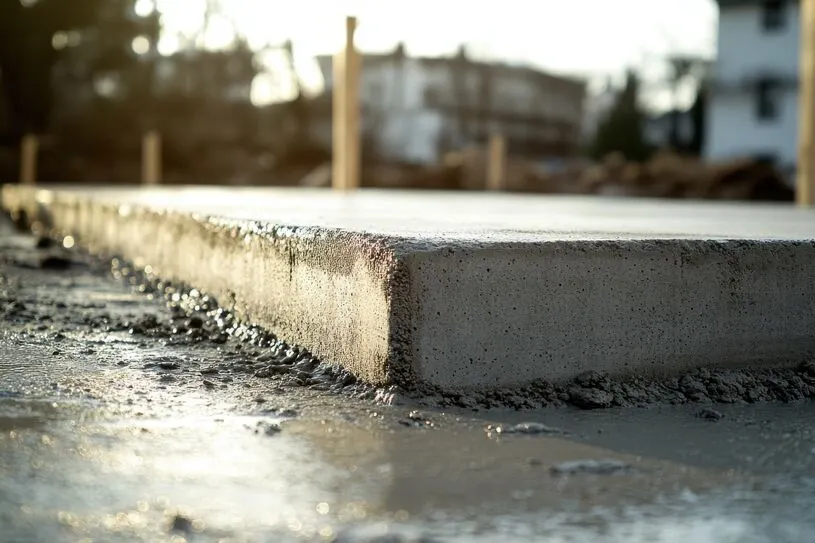
You probably don’t think about it, but a strong floor slab holds up everything inside busy buildings like shops and warehouses. It keeps things steady and safe. Concrete floor slab design isn’t easy. There are steps from the first drawing to making sure it’s built right. Every stage matters. Without careful work, the slab could crack or break. Getting it right takes planning, talking with others, and sticking to rules.
Why Floor Slab Design Is the Backbone of Industrial and Commercial Construction?
A floor slab carries so much weight every day. Imagine forklifts zooming across a warehouse, shelves full of goods, and heavy machines. If the slab is weak, the floor could dip or break apart. Businesses can lose money, and people could get hurt. A good design means smoother work with less worry. Isn’t that what everyone wants? It’s best to get it strong from the start, giving the whole building a solid backbone it can trust for years to come.
Defining Project Requirements
Before building even starts, you must plan carefully. That’s how you know what kind of floor slab to use. Everyone (builders, designers, and flooring crews) needs to talk together and lay out the goals.
- Load considerations: It matters if the weight stays in one place (static), shifts around (dynamic), or pushes down in one small spot (point load). Knowing these helps pick the slab’s thickness and bearing.
- Usage type: warehouses, logistics hubs, retail, and healthcare. A busy shop has different needs than a hospital or storage warehouse. Some need strong slabs for heavy carts. Others want a smooth, easy-to-clean surface.
- Early collaboration with architects, engineers, and flooring specialists. When everyone shares ideas early, problems don’t pop up later. It makes development faster, and the final floor fits everyone’s needs.
Structural Design Considerations
With clear goals set, now comes the technical part. This section is all about sizing, strengthening, and building in the right features for the job.
- Thickness and reinforcement calculations. Engineers must work out the best slab thickness and decide where to reinforce slabs with steel. This helps spread the weight and stops bending or breaks.
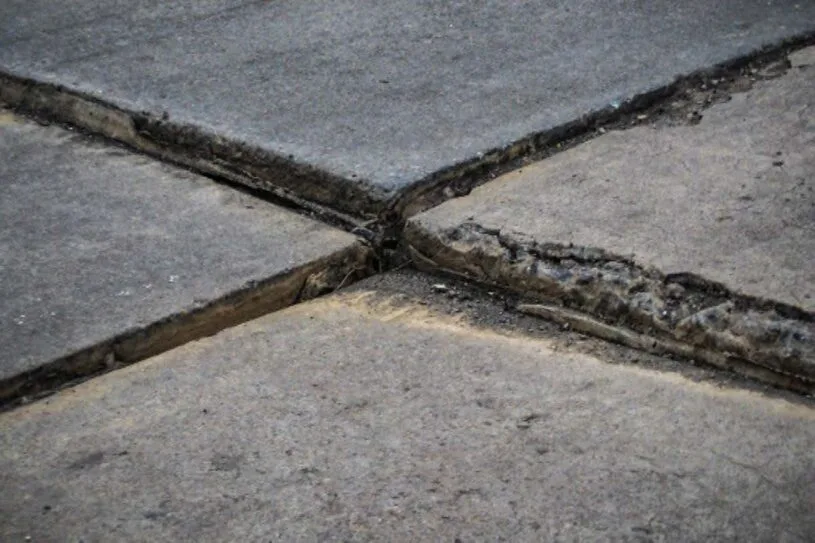
- Expansion joints, shrinkage, and crack control. Concrete naturally shrinks as it dries. Gaps and joints allow safe movement, so cracks don’t just appear. Correct spacing makes a big difference.
- Soil conditions and sub base preparation. The earth and the base beneath your slab matter a lot. Soft soil can ruin the whole job if not dealt with first. Solid preparation keeps it sturdy for decades.
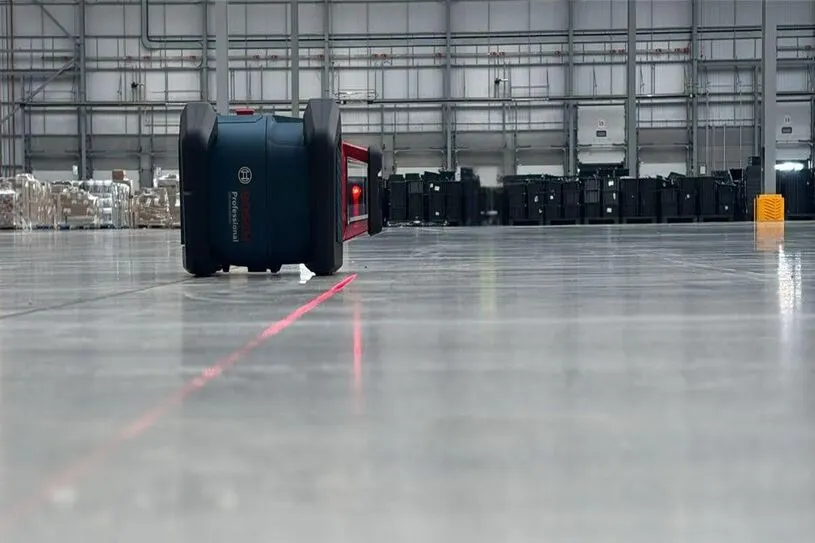
- Integration of TR34 and BS 8204 standards. Sticking to these rules means better results. The standards guide slab thickness, surface smoothness, and how to reinforce everything. They set the base for what’s expected.
Compliance and Standards in the UK
Rules in the UK help everyone follow best practice for floor slab construction. Standards keep things fair and safe, no matter if it’s a factory or a local shop. They explain exactly what to do and what makes a slab acceptable. Compliance helps avoid trouble during checks and keeps workers and customers out of harm’s way.
| Standard | Scope & Focus | Key Requirements | Where It Applies | Why It Matters |
|---|---|---|---|---|
| TR34 (Concrete Society Technical Report 34) | Industrial concrete ground floors | – Floor flatness & levelness (Superflat & FM classes) – Load-bearing capacity – Guidance on joints & reinforcement |
Warehouses, logistics hubs, VNA truck facilities | Ensures safe forklift/VNA operations and high-performance industrial flooring |
| BS 8204 (British Standard) | Concrete bases & screeds for buildings | – Screed thickness & reinforcement – Surface regularity (SR1, SR2, SR3) – Testing methods (BRE drop hammer, abrasion, slip) |
Commercial, healthcare, retail, housing, and general flooring | Guarantees compliance for the health, safety, and longevity of slabs in buildings |
| Eurocode 2 (EN 1992) | Structural design of concrete structures | – Structural load capacity – Design for bending, shear, cracking – Fire resistance & durability |
Pan-European projects, structural engineering | Provides a unified EU-wide standard for structural safety & durability |
Construction Best Practices
Having a strong design is only half of it. How you build matters just as much. Every step in construction shapes how the floor turns out. Overlooking even a small stage can ruin all the careful planning.
- Formwork and reinforcement placement: The first step is making a frame, called the formwork. Steel bars called reinforcement are set inside to make the slab strong. Getting the bars in the right spot is important. If they’re off, the floor won’t hold up against heavy use and could give way.
- Proper concrete pouring and vibration control: Once the concrete mix is ready, it is poured into the mould. Workers then use tools to shake or vibrate the mix. This action moves out any air pockets, making sure the concrete fills all the space around the steel. Missing this step allows gaps and weak spots.
- Curing and finishing for long-term durability: After pouring, the concrete must cure. This means keeping it damp so it dries slowly. It can be covered or sprayed with water now and then. Careful curing keeps cracks small and the surface strong, resulting in less trouble in the future.
- QA and QC testing during construction: Quality checks are done at every step. Samples get tested for strength before and after pouring. The surface is checked for smoothness and level. These tests reinforce that everything meets the rules and will last a long time.
Testing and Verification for Compliance
When building is finished, the slab gets checked for safety and rule-following. Levels, flatness, and strength are all measured. Sometimes, special tools and computer models (slabs using finite element analysis) predict how the slab will bear weight. Finished testing gives everyone proof that the job was done the right way.
Common Mistakes in Floor Slab Design
Mistakes can sneak into any project, especially if you rush. Knowing what often goes wrong helps teams avoid headaches that cost time and money.
Ignoring Soil/Sub-Base Conditions
Not checking the soil can ruin a good project. If the base is weak or uneven, the slab cracks or sinks in spots. Always pay attention to the ground first because it supports the whole floor and whatever sits on top. Skipping soil testing and sub-base work often leads to repairs and higher costs later.
Underestimating Load Requirements
Forgetting about heavy gear, storage racks or undercounting loads is a common slipup. The slab may seem fine at first, but it can buckle or break under real pressure. Always plan for current use and think ahead. If things change, like adding a suspended slab or bringing in new equipment, the design should handle it.
Poor Curing Leading to Cracking
Hurrying the drying, or forgetting to keep it moist, almost always brings cracks. Concrete curing needs time and patience. If it dries too fast, the slab loses strength and breaks down early. Good curing helps the floor stay tough and smooth, saving effort and repairs over the years.
Future-Proofing Concrete Slab Design
It’s smart to think beyond just today’s needs. Maybe bigger machines will move in later or the layout will change. Design flexibility means the slab can be changed, patched, or reinforced later. Doing it right now can mean less trouble later. Saving time, effort, and money is possible with forward thinking and experienced professionals by your side. Contact DC Flooring today to future-proof concrete slab design and give you piece of mind.
FAQs
What role does soil condition play in slab performance?
Soil is the hidden support for every concrete slab. Good soil gives the floor a steady base, but soft or loose soil lets the floor sink or bend. Engineers will test the soil, fix weak spots, and add strong layers where needed. This step makes the whole structure safer and prevents costly repairs down the road.
What documentation is required to prove slab compliance in the UK?
You’ll need several papers to show the slab is compliant. These usually include drawings, engineering calculations, and test results for the concrete used. Also, a report must confirm that the floor meets TR34 or BS 8204 standards from testing, such as checking levelness and thickness. Keeping all this paperwork helps prove the job was done by the book.
How do floor slab design choices affect insurance or liability?
If the slab is designed well, insurance is easier to get and the risk is lower. Doing things the wrong way or skipping rules can make you responsible for accidents. Insurers look for proof that standards were met. Everything from cracks to accidents can become your bearing if shortcuts were taken.
What’s the typical lifespan of a compliant industrial concrete slab?
If you build and care for it properly, a floor slab in places like a warehouse can last from 20 to 50 years. Regular checks, cleaning, and fixing small cracks keep it strong. A solid start and good maintenance mean it will do its job quietly for decades.

- Know your warehouse floor: was it built to FM or SR, and does that still matter? - October 21, 2026
- Concrete floor grinding: four machines, four different jobs, and the one your floor probably does not need - October 15, 2026
- Resin flooring: Epoxy, PU or MMA, and why the system you pick is not what decides how long it lasts - October 14, 2026