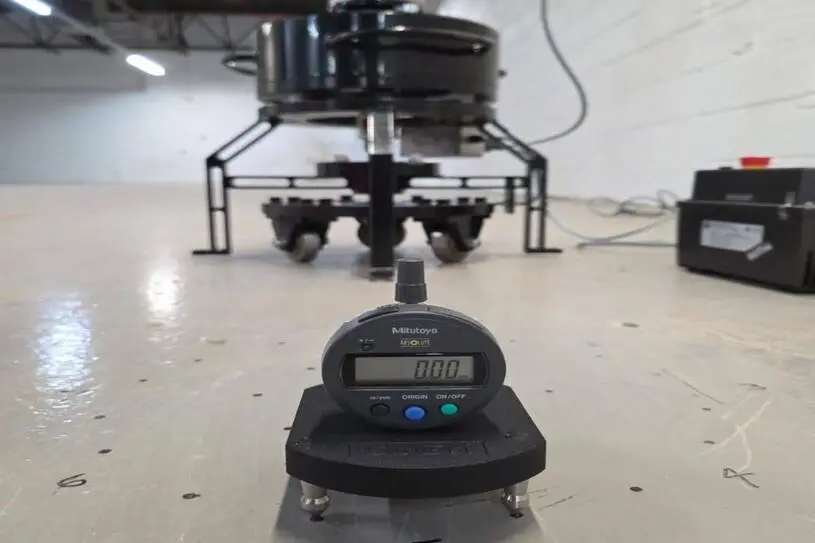
Industrial floors often get damaged because they are used all the time. Machines move on them, people walk over them, and sometimes, even heavy tools fall. These floors must withstand this kind of use to last. If a floor has poor wear resistance, it can get ruined quickly. Picking the right floor can actually save you a lot of money and trouble later. That’s why abrasion resistance is something we cannot ignore.
What Is Abrasion Resistance in Flooring?
Abrasion resistance means how well a floor can handle getting scraped or rubbed. Imagine dragging a chair over and over across the same spot. A floor with excellent abrasion resistance won’t wear down fast. If the material is strong and dense, it resists getting scratched or roughened. Different kinds of floors have different levels of this resistance. Choosing the right one depends on what you need the space for and how much it will be used.
What is Industrial Abrasion Damage?
When floors in places like factories or warehouses start to look old and rough, it is likely because of industrial abrasion damage. Things like sliding pallets, moving carts, or boots scuffing the surface all play a part. In the textile world, there’s extra trouble from fibres and spinning machines. At first, you might just see tiny marks, but with time, they get worse. If no one fixes the problem, floors could get unsafe, dirty, and hard to clean.
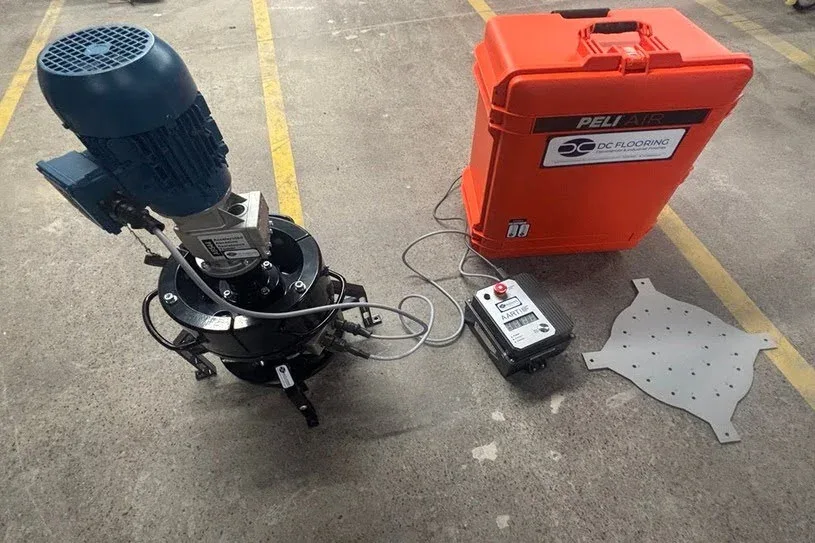
How is Abrasion Resistance Tested and Measured?
People use more than one test method to check how much a floor can handle before it gets worn out. These abrasion testing methods try to show what happens in real life when things move across a floor. Each test figures out wear resistance in a different way. Knowing these results can help decide which floor is best for the job.
- Taber Abrasion Test (ASTM D4060): This test spins a floor sample under rough wheels that act like sandpaper. After a set number of spins, abrasion testers check how much material is gone. It’s a common way to see how floors survive daily use, especially against abrasive actions.
- BS 8204 (UK Standard): In the UK, people use this standard to check concrete and screed floors. Heavy wheels make circles on the floor, and experts then measure any loss. This method shows if a floor meets local building rules and safety laws.
- EN 13892-4: This test is big in Europe. It uses steel balls and a hard powder to copy tough work conditions. After testing, experts see how much material is lost. It’s good for comparing products that will be used in the same way.
- Böhme Abrasion Test (EN 13892-3): The Böhme test is popular in Europe for checking concrete and similar products. A spinning disc with gritty material rubs the sample. After some time, the loss is measured. It tells builders a lot about how a floor might wear out.
- ASTM C944: This test, mostly used in the US, uses a spinning cutter instead of wheels. The test shows how deep the cutter gets into the floor. It’s another way to predict how well concrete floors will last under scraping or cutting forces.
- DIN 52108: For this German test, they use steel balls and rough powder, just like some European tests. It calculates how much is lost after controlled rubbing. The results are used in many building projects across Europe.
- Real-World Simulation Tests: Some tests use actual machines and equipment from busy worksites. These are not always the same every time, but they show what might really happen in a factory or warehouse. The results help companies picture what to expect.
Why Abrasion Resistance Matters for Industrial Floors?
Floors need to be safe and strong, especially in busy workplaces. If a floor gets worn out quickly, uneven spots could trip someone or harm a machine. Weak floors might need repairs, which can stop work and cost money. Floors with good abrasion resistance last longer, and it also means less cleaning and less worry about germs hiding in cracks and holes. Keeping the floor in good shape lets everyone work safely.
- Confirms surface durability against repeated traffic from forklifts, VNA trucks and conveyors.
- Reduces dusting and loose debris that damage MHE, racking and stored goods.
- Helps maintain flatness tolerances by identifying surfaces prone to rapid wear and edge failure.
- Informs appropriate surface specification or remedial treatments (toppings, hardeners, coatings).
- Lowers maintenance, downtime and lifecycle costs by preventing premature surface failure.
- Provides objective classification to industry standards (e.g., BS EN 13892‑4 / BS 8204‑2) for acceptance and quality control.
Consequences of Poor Abrasion Resistance
If a floor starts wearing out and nobody fixes it, problems grow fast. Worn parts turn into dust, and that dust can get into machines or make the air dirty. Slippery and uneven sections aren’t just annoying; they put people in danger. Fixing big cracks costs a lot. Sometimes, a business must stop all work just to repair the floor. Even worse, a workplace could fail a safety check and be shut down.
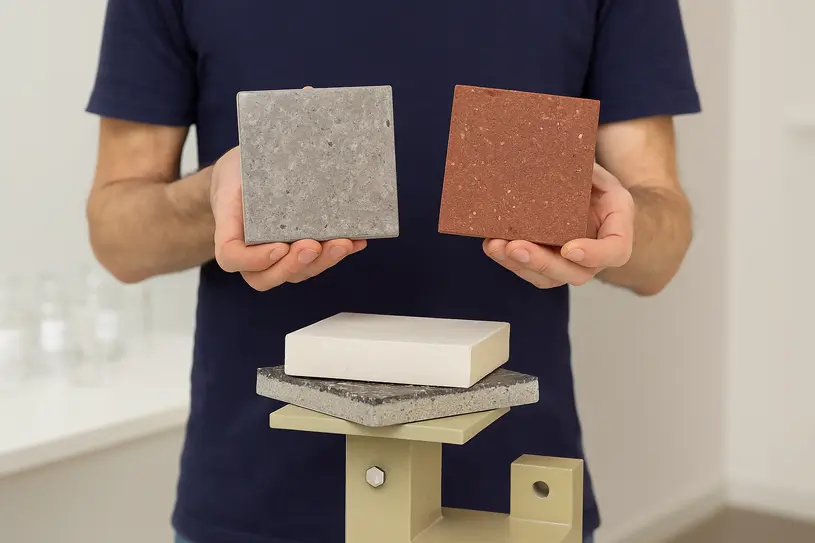
Flooring Materials and Their Abrasion Resistance
Not every flooring type handles damage the same way. Some work well in tough jobs, while others are mainly for quieter spaces. Knowing what each kind of floor can do helps pick the right one.
- Epoxy resin flooring: Epoxy resin floors are good at standing up to a normal amount of scrapes and knocks. The surface gets hard when it dries, blocking a lot of the daily damage. But if heavy tools fall or something sharp drags over it, the surface might chip or scratch. How well this floor works depends on the mix and how it is put in place.
- Polyurethane screeds: Polyurethane screeds do better than many others at handling drops and bumps. They bend a bit without breaking, which keeps small cracks from spreading. These floors work well anywhere with lots of hot and cold changes. Places that clean floors with strong chemicals often like this kind the best.
- Polished concrete: When you polish concrete, you end up with a strong, shiny finish. It can easily handle rolling carts and walking feet. Once it’s installed, it does not need much cleaning or care. However, fixing big chips is hard, and the quality depends a lot on how the surface is prepared.
- Microcement and other finishes: Microcement floors can be strong enough for things like shops or lighter workspaces. But they may not do as well with forklifts or heavy items. Some coatings protect against spills more than scratches, so look at what you need first before picking one.
How to Improve Abrasion Resistance?
You can make floors last longer by using certain products and care methods. Adding hardener in concrete mixes is one choice. Making sure the floor dries the right way after laying it is very important. Regular cleaning makes sure dirt and grit don’t cut into the surface. Putting on a special sealant or keeping up with repairs helps too. Finally, having the right installers can make the biggest difference in how long floors last.
Industries That Need High Abrasion Resistance Floors
There’s no single best floor for all jobs. Each type of work has different problems, so let’s see where tough floors make the most sense.
- Manufacturing: Lots of machines, people, and moving parts mean floors wear out easily. Any holes or broken spots could stop important work. Chemicals might spill, too. Picking flooring with strong resistance to abrasion is key to stopping these problems.
- Food & beverage: Cleaning often, sometimes using hot water and harsh soaps, can wear floors down. Floors here must fight both chemical and abrasive damage. Smooth, easy-to-clean floors help keep germs away. Any damage quickly becomes a food safety risk.
- Warehousing & logistics: Forklifts, trucks, and pallets hit the same areas over and over. This kind of traffic makes the floors wear unevenly. A good floor needs to hold up under big wheels and dropped boxes and be tough against dust and dirt.
- Automotive & aerospace: These places need super clean floors to stop dust from messing up parts. There are also many spills and heavy tools. Static can be a problem, so the right floor helps control this. High standards mean only the best floors make the cut.
Contact Our Team of Flooring Specialists for Your Next Industrial Floor Project
If you are not sure what flooring you need, it’s smart to ask an expert. DC Flooring knows about all the test method options and has helped many kinds of businesses. Our team can look at your building, listen to your needs, and give a plan that works. From picking the material to putting it down, we’ll help you get a result that lasts. Get in touch if you want your floor to handle real work.
Learn More About Abrasion Resistance Testing from DC Flooring
Ensure your concrete floor can withstand the demands of heavy industrial traffic with professional abrasion resistance testing. DC Flooring provides accurate assessments to help maximise floor durability, performance and long-term operational reliability.
FAQs
Is abrasion resistance the same as impact resistance?
No, they are not the same. Abrasion resistance is about stopping damage from rubbing, scraping, or dragging stuff. Impact resistance is about surviving drops and bangs. Some floors have both, but not always. Knowing which you need most will help you pick the right floor.
How long can abrasion-resistant flooring last in industrial environments?
With the best care and the right product, strong floors can last 15 to 25 years in factories or warehouses. Things like how many people use the space, what machines run there, and how you care for it matter a lot. Not all floors last that long, so don’t forget about regular checks.
Are there coatings or treatments to improve abrasion resistance?
Yes. You can get special coatings like polyurethane or hardener sprays. Some go on top, others soak into concrete to make it harder inside. These work best before a floor gets badly damaged. They can make an old floor last longer if the base is still good.
How do I choose the right abrasion-resistant floor for my facility?
Look at what work is done, what kind of loads get moved, and how much cleaning happens. Think about chemicals or heat, too. Ask for wear resistance ratings and check if standard tests (like the Taber Abrasion Test or others) have been done. It’s always a safe bet to talk to flooring specialists who know your industry.

- Know your warehouse floor: was it built to FM or SR, and does that still matter? - October 21, 2026
- Concrete floor grinding: four machines, four different jobs, and the one your floor probably does not need - October 15, 2026
- Resin flooring: Epoxy, PU or MMA, and why the system you pick is not what decides how long it lasts - October 14, 2026