Abrasion resistant flooring is key to keeping spaces durable and looking good. It’s designed to withstand heavy foot traffic, machinery, and wear, making it great for commercial and industrial areas. With various materials and finishes to choose from, this type of flooring protects surfaces while enhancing safety and usability.
Causes of Abrasion Resistance
Abrasion resistance in flooring depends on a few key factors. These include the materials used, the surface texture, and the thickness of the flooring. High-density materials like resins and certain types of concrete are good at resisting wear because they absorb impact and distribute weight evenly. A textured surface can improve grip and reduce slipping, helping to lessen wear over time. Thicker flooring options are generally more durable and less prone to damage from heavy use. Additionally, environmental factors like chemicals and moisture can affect the flooring’s lifespan, so it’s important to choose the right materials for each situation.
Abrasion Mechanisms
Abrasion can occur in several ways: friction, impact, and environmental wear. Friction happens when surfaces rub against each other, causing gradual abrasive wear.
Impact abrasion occurs when heavy objects or dropped items leave dents or scratches. Sand, dirt, and moisture can also wear down flooring like grinding agents.
Abrasion Resistance Testing
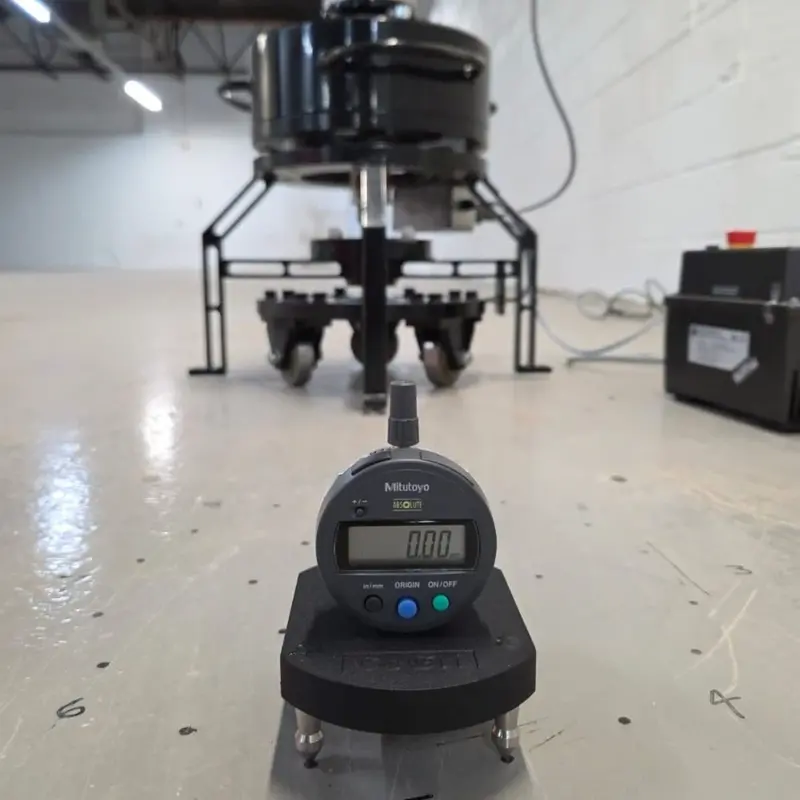
Abrasion resistance testing is important for checking how durable flooring materials are. This test measures how well a material can handle wear and tear in realistic conditions. Common test methods for resistance to abrasion include the Taber Abraser test and the ASTM D4060 test. These tests apply controlled friction and impact to see how the material performs. The results help predict the flooring’s lifespan, helping both manufacturers and consumers choose the right materials based on their durability.
Factors Affecting Wear Resistance
Concrete Mix Design
The concrete mix design impacts how well a surface holds up against wear. A balanced mix of cement, aggregates, and water provides strength and durability. Adding materials like silica fume or fly ash can make the concrete denser and reduce porosity. This helps it resist abrasion and wear over time.
Curing
Proper curing is essential for better wear resistance in concrete. It helps the concrete gain its full strength by maintaining moisture and temperature during hydration. Simple methods like covering with wet burlap or using curing compounds can prevent cracking and enhance the concrete’s performance under stress.
Dry-shake Toppings
Dry-shake toppings are added to fresh concrete to boost wear resistance. They consist of hard aggregates, pigments, and chemical additives. When mixed in, they form a dense, abrasion-resistant layer. This layer helps the concrete last longer and provides aesthetic options, which is why it’s popular for industrial floors and high-traffic areas.

Surface Hardeners
Surface hardeners are added to the top layer of concrete to make it more durable. These hardeners have aggregates that seep into the concrete and bond well. They create a stronger surface that stands up to heavy foot traffic and machinery. This makes them ideal for warehouses, factories, and other busy areas.
Benefits of Abrasion – Resistant Floors
- Prevents scuffs and scratches, keeping floors looking good, especially in businesses.
- Stands up to wear from heavy machines and forklifts in industrial settings.
- Saves time and money on repairs or replacements for damaged floors.
- Cuts downtime and maintenance costs by reducing the need for equipment repairs. Also lowers friction, boosting energy efficiency and ensuring smooth operation.
Need Abrasion Resistance Testing for Your Warehouse Floors? Contact Us Today
At DC Flooring, we offer durable, abrasion resistant flooring solutions that fit your needs. Don’t settle for less when it comes to durability and safety. Reach out to us to see how our options can enhance your space. Our team is here to help you pick the right materials and make installation easy.
FAQs
Which floor coating is best for abrasion resistance?
When looking for a floor coating that resists wear, epoxy is often a top choice. It offers a tough, shiny finish and sticks well to surfaces. This makes it resistant to chipping, cracking, and wear from heavy foot traffic and machinery. Polyurethane coatings are also good; they are flexible and can handle temperature changes. For areas needing strong durability and chemical resistance, polyurea coatings are great because they dry quickly and stand up to tough conditions. Ultimately, choose the right floor coating based on your specific needs, like exposure to heavy loads, chemicals, and moisture, for long-lasting performance.
What is the abrasion value of concrete?
The abrasion value of concrete measures how well it resists wear and surface damage. This value is usually determined by tests like the Los Angeles abrasion test, which compares a concrete sample’s resistance to other materials. A higher abrasion value means the concrete is more durable, making it ideal for high-traffic areas. When selecting concrete for specific uses, it’s important to choose a mix with an abrasion value that fits the expected conditions for better durability.
What type of concrete has high abrasion resistance?
Concrete that resists wear often has strong aggregates and additives. For instance, using hard materials like granite or quartzite helps it last longer. Keeping a lower water-to-cement ratio makes the mix denser and stronger, which improves wear resistance. Additionally, using special materials like silica fume or steel fibers can boost the concrete’s durability even more.
How to increase abrasion resistance of concrete?
To make concrete more resistant to abrasion, there are several effective strategies. First, use strong aggregates like granite or quartz when mixing. Adding materials like silica fume or steel fibers can improve wear resistance. Lowering the water-to-cement ratio creates a denser mix with fewer gaps, making the concrete stronger. Applying surface hardeners or dry-shake toppings after pouring helps protect the surface and extends the flooring’s lifespan. Lastly, regular maintenance and proper curing techniques are key for long-term performance.