One effective way to improve business efficiency is by using warehouse robots. Autonomous mobile robots(AMRs) and automated guided vehicles (AGVs) offer better warehouse speed and accuracy. When planning to use autonomous mobile robots flooring for warehouses, it’s crucial to consider the right flooring type.
The Floor Impact of a Robot’s Operation
Many may be surprised that modern warehouse floors are not always suitable for robotic systems. Operating Autonomous Mobile Robots (AMRs) and Automatic Storage and Retrieval Systems (ASRS) requires flat floors. Floors must meet specific criteria for gloss, friction, and surface roughness to ensure the G2P Automated System works well. DC Flooring specialises in upgrading concrete floors and knows how to meet these requirements.
Grinding Floors into Compliance for an AMR System
If you plan to use Autonomous Mobile Robots (AMR), the floor they operate on must meet specific criteria set by the manufacturer. This ensures the robots can perform at their best.
Our grinding plan will focus on ensuring the floor’s surface is flat, level, and smooth, and we will address any areas that do not meet these standards.
We also provide grinding services to improve surface characteristics like micro-roughness, friction, and gloss.
Meeting Floor Flatness Requirements for Robotic Systems
Meeting floor flatness requirements is essential for the optimal performance of robotic systems. A flat surface allows robots to navigate without interference. Any unevenness can cause delays or errors in operations. The American Concrete Institute (ACI) provides guidelines on floor flatness. These guidelines help ensure that floors meet the necessary specifications. Using tools like laser screeds and grinders can significantly improve floor flatness. Proper maintenance also plays a role in keeping the floor suitable for robotic operations. Regular checks help identify and address any issues early on.
Important Flooring Attributes in a Robotic Application
Testing and evaluation are important at the beginning to understand the work done on the floor. Flooring should not be an afterthought or treated as a commodity. It must be included in the planning when considering robot technology. Here are six things to consider when planning for robots and flooring:
Capacity
Is the floor, steel decking, and raised structure designed to support the robots and their loads?
Roughness
What is the contact area between the wheels and the floor? How will the robots move on it?
Coefficient of Friction
Has the floor been tested for friction and roughness? Will the robot work on the floor as expected?
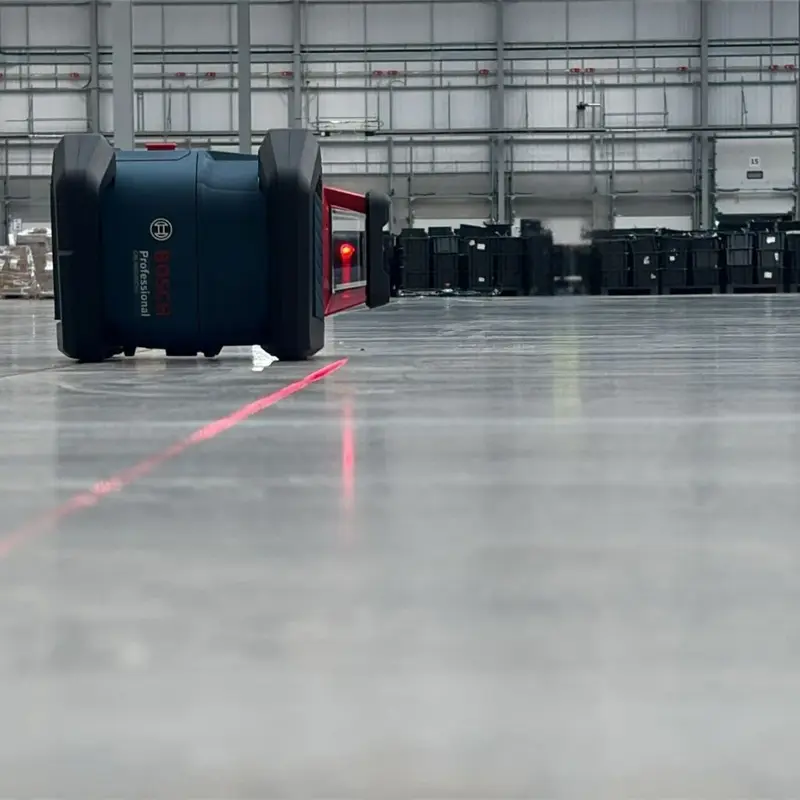
Flat, Level Surface
Swales, dips, and valleys in concrete flooring can make a robot stray from its intended path. These uneven surfaces can create challenges for navigation.
Optimal Reflectivity
Shiny surfaces reflect more light than dull surfaces. Robots that use lasers to read floor waypoints can get confused by shiny finishes.
Wear Resistance
Robotic traffic is very repetitive. Because of this, the floor needs to be durable to last longer.
How Warehouse Robots are Improving Operational Efficiencies
Warehouse robots offer significant advantages by moving faster, reacting quickly, and easily repeating tasks. They can capture images and data, move and sort materials, manage stock, and optimise inventory picking.
With fewer errors and less need for inventory checks, robots can safely handle dangerous tasks, working without breaks. This allows humans to focus on more skilled jobs. Some robots equipped with artificial intelligence can learn from their experiences and improve over time.
Through speed, safety, and efficiency, autonomous mobile robots (AMRs) significantly impact supply chains and workplace productivity, helping companies achieve higher output and revenue in the long run.
Industry 4.0 and Warehouse Robots
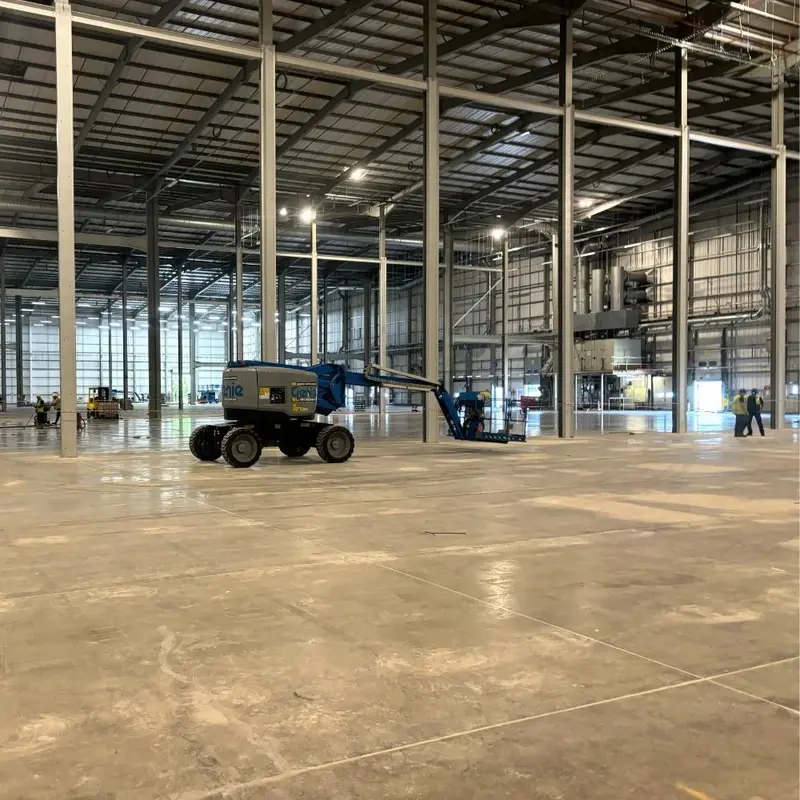
The term “Industry 4.0” represents the modern 4th industrial revolution – one that focuses on innovative technology, artificial intelligence (AI), digital software, automation, and the Internet of Things (IoT). Robots play a profound role in Industry 4.0. More and more businesses are taking advantage of these mobile machines to improve their supply chains, especially at the manufacturing and distribution levels. The reality is that robotics can perform work differently – and often better – than humans can.
They are stronger, more reliable, faster, and more precise. They can work tirelessly, adapting to business needs.
These robots can lift heavy loads and come with laser safety features to avoid collisions, even with people. Connected via WiFi and equipped with sensors and cameras, robots navigate workspaces to carry out tasks consistently and without errors.
Why DC Flooring are the Perfect Choice for Your Autonomous Mobile Robots (AMRS)
DC Flooring has skilled technicians and experienced managers to ensure projects are completed efficiently. Our team of engineers and dedicated professionals specialize in industrial floors, making us leaders in repairing and upgrading warehouse floors. Our goal is to provide a solid foundation that supports our clients’ operations; quality flooring is the cornerstone of successful robotic operations in any warehouse.
Measuring Floor Surface Regularity
Measuring floor surface regularity is crucial for robotic operations. A smooth floor allows machines to navigate without disruption. The tools used for these measurements include lasers and levelling devices. These tools help assess flatness and detect imperfections.
Identifying any areas that do not meet standards is vital. Regular assessments ensure that the floor remains suitable for ongoing robotic use. Keeping the surface regular can prevent operational issues and improve efficiency.
Corrective Grinding for Warehouse Floors
Corrective grinding for warehouse floors is necessary to fix issues that affect robotic performance. This process helps to smooth out uneven areas and remove surface imperfections. Using specialised equipment, technicians grind the floor to achieve the required flatness. This ensures that robots can operate safely and efficiently.
Regular maintenance and timely repairs keep the floor in optimal condition. A well-maintained floor reduces the risk of operational delays and improves overall productivity. Therefore, investing in specialized robotic flooring becomes crucial.
Ensuring Efficient Warehouse Installations
Efficient warehouse installations are vital for optimal robotic operations. Proper planning is needed to ensure that all aspects of the installation support the robots, including the integration of mezzanine structures for additional operational space.
Training staff on the new systems is also crucial. Everyone needs to understand how to work alongside the robots.
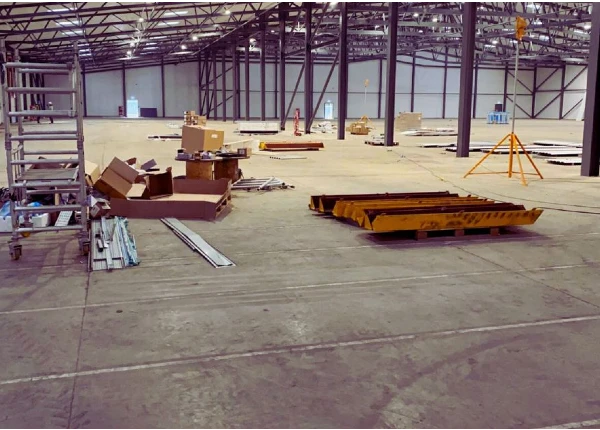
Regular assessments after installation help identify any adjustments needed for smoother operations. Keeping the environment organised will lead to better productivity.
Providing Floors for New Warehouse Technology
Providing floors for new warehouse technology is essential for maintaining efficient operations. Floors must meet the specific needs of advanced equipment. They should support the weight and movement of robots without compromising stability. The surface must allow for smooth navigation and minimise wear, including the use of durable floor panels designed for high-traffic environments.
Choosing the right materials can help reduce maintenance costs. Regular assessments of the flooring ensure it remains suitable for new technologies. This proactive approach helps prevent disruptions in operations and keeps productivity high.
FAQs
What is the difference between AMR and AGV?
AGVs (automated guided vehicles) and AMRs (autonomous mobile robots) differ mainly in navigation. AMRs use lasers for free navigation. AGVs rely on fixed elements like magnetic tapes and beacons for positioning.
What are the floor requirements for AGV?
AGVs and AMRs need flat floor surfaces without spalls, rough areas, or voids. A satin anti-slip finish can improve reliability. EPF provides nationwide turnkey flooring for AGV areas, suitable for both retrofit and new concrete.
What technology is used in AGV?
AGVs follow a path set by magnetic tape or a wire on the floor. The vehicle senses the magnetic field or electrical signal to stay on its route. AGVs with laser navigation use reflectors placed around the facility to guide them.