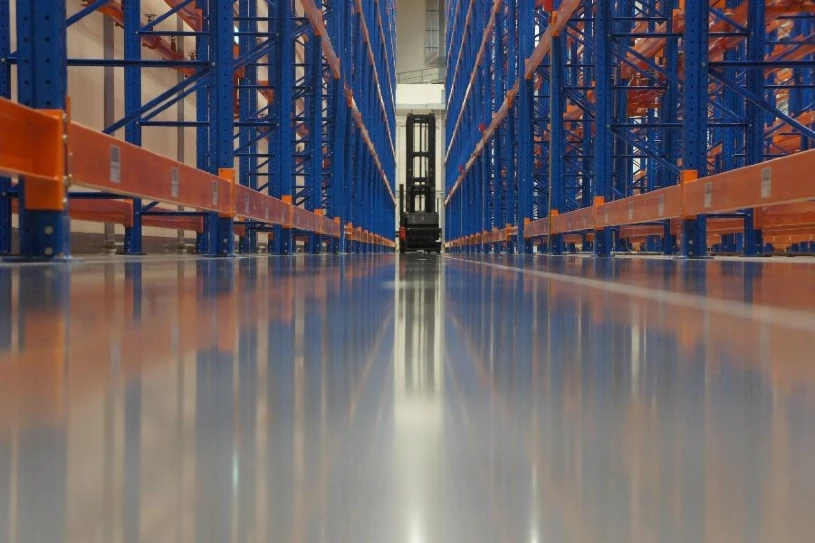
VNA warehouses work differently from regular spaces. Everything is tight: machines squeeze between racks, and mistakes cost time and money. The concrete floor is where it all starts. If the surface isn’t consistent, even a small change can cause trouble for a forklift. Defined movement floors help stop these issues by keeping floor movement steady. That means less damage, fewer accidents, and smoother work. Getting this right is key for anyone wanting top results in storage, picking, or delivery.
What are Defined Movement Floors?
Defined movement floors are carefully planned and built so they don’t move or crack in surprising ways. Engineers plan every detail to keep the floor flat and steady for many years. They look at things like concrete mix, joints, and finishing. Unlike older floors that could bend or split, these have a set flatness requirement. That makes them a big help for handling equipment and any warehouse that wants things to work right every day. Predictable performance isn’t just nice; it’s needed for narrow aisle jobs and automated systems.
Why are Defined Floors Important in VNA’s Warehouses?
Working with narrow aisle trucks is tricky. Even a tiny slope in the warehouse floor can throw things off. Here’s what makes defined movement floors matter:
- Precision requirements: VNA trucks need to keep their mast steady while driving through those slim spaces. If the flatness isn’t perfect, there’s a real risk of bumping into racks or losing items.
- Protect equipment: Wear and tear from a bumpy floor means more money spent fixing valuable parts. Defined movement floors help extend the life of trucks, masts, and other materials handling equipment.
- Maintain throughput: These special floors help trucks move fast and safe so staff can keep up the number of picks-per-hour. That means jobs get done on time.
- Reduce damage & downtime: If the floor doesn’t toss around the equipment, there’s less chance of crashing into racks or breaking things. That also means fewer repairs and less wasted time.
How are Defined Movement Floors Designed and Built?
Building a defined movement floor is all about detail. Workers check everything while making the floor. That stops big problems later. Good planning keeps the warehouse floor smooth and strong.
- Tight specification and joint design: Planners make sure joints are the right size, in the right place, and that the concrete mix is right for the job. The 4th edition rules help decide these things.
- Construction controls: Every pour is planned so the floor stays level. Curing, compacting, and keeping the right temperature make a big difference.
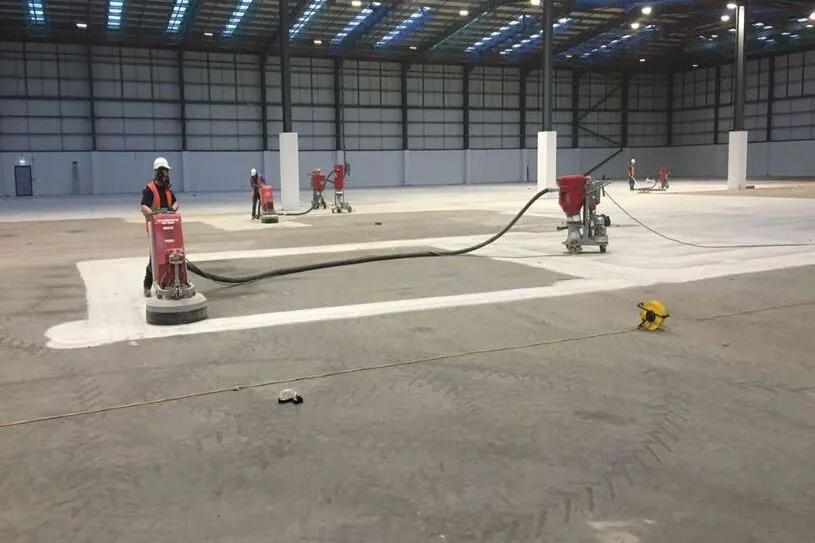
- Surface finishing and protection: Applying the right finish helps make a superflat floor. Treatments help the floor last and meet the flatness specification.
- Post-construction verification: Check-ups and tests like TR34 surveys make sure the flatness requirement is reached and the surface regularity is good.
- Safety and Stability: Safety isn’t just about signs on the wall. If the floor bends the wrong way, a forklift could tip or drop something heavy. That’s risky for people, too. Defined movement floors help by keeping the ground under control, which makes it easier for drivers to steer right and work safely. It’s also good for keeping things lined up. If the aisles and racks move or bend, accidents can happen. With a floor like this, workers and robots can trust where they’re going.
- Cost Savings: No one wants to keep spending money fixing problems. With a defined movement floor, things don’t break as often. That means the company can save on repairs, replacement parts, and the cost of worn-out equipment. Less downtime means workers can stay busy and orders keep shipping. Insurance is less expensive if fewer claims happen. Over years, spending a bit more at the start can save a lot overall. Reliable floors lead to fewer headaches and a better running warehouse.
How Do You Test and Verify a Defined Floor in Movement?
Testing makes sure what was built is good enough. You can’t just hope for the best. There are ways to check that a defined movement floor meets the rules.
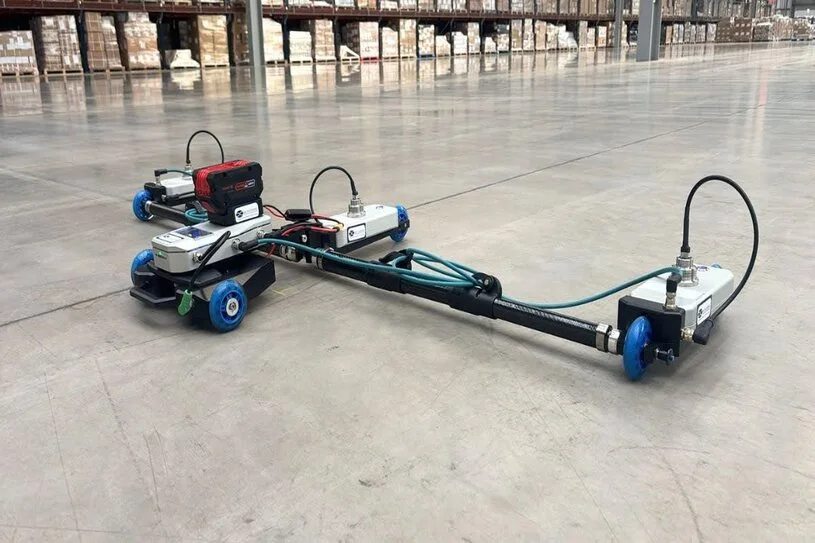
- Use TR34 defined movement methodology: Special profiling equipment checks the floor flatness, smoothness, and surface regularity to see if everything lines up with the rules.
- Combine with flatness checks: Testing Property F (flatness) and Property E (levelness) is part of making sure the warehouse can run the equipment safely and efficiently.
- Long-term monitoring systems: Sometimes facilities keep an eye on the floor over years to see if it starts to drift. This is critical for spots where high performance never stops.
When Should You Specify a Defined Movement Floor?
It’s wise to consider flooring requirements during the early stages of warehouse planning. This is especially important for VNA projects or environments where equipment must operate within tight tolerances. If you’re installing advanced automation, such as robotics, or introducing extensive racking systems, floor flatness should be addressed from the outset. Defined movement floors are ideal when operational reliability is critical. This applies to both new-build and refurbishment projects. They can also simplify future upgrades by meeting the most demanding flatness standards from the beginning.
Industries That Use Defined Floors in Movement
It is not just one type of warehouse that uses defined movement floors. Any business where the ground has to be just right should think about this special flooring. High-volume storage, cold storage, and fast-moving order picking operations all benefit. Automatic systems, like conveyor robots or stackers, need a reliable concrete floor with the correct grind and regular checks. These industries want long-lasting results so they can use the same floor year after year without issues.
- Logistics & Distribution Centres: Distribution centres, like the ones delivering goods to your home, need to get things right every time. With so many workers, forklifts, and machines rolling around, a floor that won’t cause mistakes means deliveries are on schedule and less stuff gets damaged. These centres use materials handling equipment that needs steady ground to work fast and safely. DC Flooring can help choose and install the right floor for any flatness requirement you need.
- Retail Warehousing & Supermarket Chains: Big retailers and supermarket chains can’t afford broken floors or late deliveries. If the concrete floor isn’t right, the cold chain for frozen foods could fail, leading to spoiled goods and lost money. Defined movement floors mean better safety, smooth shelves, and less wasted food. It also helps the automated systems roll around without a problem. In the end, it’s all about keeping products fresh and making sure people get what they need each day.
- Cold Storage, High-Bay Facilities, and Specialised Sites: Some warehouses are freezing cold or have racks that reach far up to the ceiling. In places like that, the conditions are tough. A superflat floor keeps the shelves straight so things don’t tip. Some places also store dangerous materials, so surface regularity keeps everyone safer. These sites can even include special sensors to help watch for movement, making sure problems are caught before they get bigger.
Don’t Leave Performance to Chance – Specify the Right Floor
If your floor isn’t made for the job, small issues can get big over time. Picking the right floor at the start stops problems before they happen. Defined movement floors take out the guesswork, making every part of the operation more reliable and safe. It gives managers and operators peace of mind, knowing the floor will not let them down. Companies like DC Flooring are ready to help with your flatness specification and any grinding or repairs you may ever need.
FAQs
What is the difference between defined movement and free movement floors?
Defined movement floors are made with clear rules for how much they can move. They use careful planning and testing to stay within those limits. Free movement floors are less strict, and can crack or shift over time. That means more repairs and more unexpected problems,making warehouse work less smooth.
Can defined floors in movement be used in non-VNA environments?
Yes, they can! Defined movement floors help any place that needs a reliable, even surface. Factories, regular warehouses, and storage rooms for small machines all benefit. It’s helpful wherever materials handling equipment must work in a controlled way, not just in warehouses with very narrow aisles.
Can defined movement slabs integrate with floor sensors or smart systems?
Yes, they can! Defined movement floors are beneficial anywhere that needs a consistent, level surface. Factories, conventional warehouses, and storage facilities with small handling equipment or machines can all benefit. They are useful wherever materials handling machinery needs to operate in a controlled manner, not only in warehouses with very narrow aisles.
Are there sustainable or low-carbon options for defined floors in movement?
Yes, options are available. You can ask about special mixes that use less energy or recycled bits. DC Flooring and others can help improve your green score by using better materials and smarter methods. When a floor lasts longer, it also helps the planet by making less waste in the end.
What role does the sub-base or subgrade play in defined movement performance?
Everything starts with what’s underneath. If the sub-base or ground below the concrete slab isn’t solid, the floor won’t stay flat. A good sub-base means the floor won’t sink or crack with heavy use. That keeps movement in check and makes sure any handling equipment works right-even years down the road.

- Know your warehouse floor: was it built to FM or SR, and does that still matter? - October 21, 2026
- Concrete floor grinding: four machines, four different jobs, and the one your floor probably does not need - October 15, 2026
- Resin flooring: Epoxy, PU or MMA, and why the system you pick is not what decides how long it lasts - October 14, 2026