Expansion joints protect concrete floors from damage caused by thermal expansion and contraction, traffic, and time. In simple terms, they let concrete expand and contract without cracking. We use these and remediate these in warehouses, factories, and all industrial buildings. Expansion joints are used to absorb movement, keep edges safe, and help floors last longer. We also work with concrete expansion joints, industrial floor joints, floor joint sealing, and expansion joint repair across many sites. Need help choosing the right type of joint? Let’s make it clear and practical for your project.
Why Expansion Joints Matter in Concrete Floors?
Concrete moves (sometimes a little, sometimes a lot) due to thermal expansion and contraction, shrinkage, and load. Without the right joints, floors crack, edges break, and surfaces become unsafe. Joints are designed to allow movement without causing damage, especially under continuous traffic from forklifts and pallet trucks. Good spacing and a suitable type of joint help absorb movement and keep the system watertight. In reinforced concrete slabs and concrete foundations, expansion joints are required to accommodate movement and building settlement. The result of thermal expansion can be severe; the right approach prevents costly repairs and downtime.
Key Benefits:
- Prevents random cracking and edge damage: Well-planned joints allow movement where it should happen, not where it shouldn’t. Contraction joints and construction joints control cracks, guiding stress to safe lines. This reduces edge spalling around industrial floor joints and keeps surfaces even. When joints are properly designed and placed, floors can expand and contract safely. Think of a busy warehouse aisle: loads change, temperatures shift, and wheels hit the same lines daily. With the best expansion strategy, edges stay protected, forklifts run smoother, and repairs are fewer.
- Ensures long-term performance and safety: A strong joint plan keeps floors reliable under continuous traffic, heat, and moisture. It protects reinforced concrete and screeds, supporting heavy racking and machinery. Properly installed expansion joints are also designed to remain watertight and flexible enough to accept axial and angular movements that come with daily operations. This means fewer trip hazards and better transitions for users and vehicles. Over time, the system will absorb the movement caused by temperature variations and building settlement. Want a floor that works quietly in the background?
- Reduces maintenance costs and downtime: Good joints save money. They reduce random cracks, chipped edges, and emergency repairs. Floor joint sealing protects against water and debris, which often cause further damage and stoppages. When joints are maintained, surface transitions stay smooth, so operations keep moving with less downtime. Planned inspections catch small issues early, like minor filler loss or sealant wear. Over a year, that means fewer shutdowns, less grinding, and lower spend on patching. The payoff is simple: stable joints, stable budgets.
Types of Expansion Joints in Floors
There are several types of expansion joints, each designed for specific needs in concrete and industrial floors. The table below summarises the main types and where they are commonly used.
| Type | Description | Common Application |
|---|---|---|
| Movement (Control) Joints | Allow controlled expansion and contraction | Concrete floors, screeds |
| Construction Joints | Separate concrete pours | Large slab sections |
| Isolation Joints | Separate slab from columns/walls | Industrial buildings |
| Floor Screed Expansion Joints | Control movement in resin or screed overlays | Refurbishments, new builds |
| High Temperature Expansion Joints | Designed for thermal stress resistance | Manufacturing, foundries, data centres |
Movement and construction joints manage how slabs expand or contract under load and temperature variations. Isolation joints prevent slabs from binding to brickwork, steel structures, or columns, allowing movement without causing stress. Screed joints protect overlays from cracking as substrates move. In hot zones, high-temperature details are designed to allow for thermal movement and internal pressures. Joints may include expansion joint filler to support sealants, and joints are designed to be flexible yet durable. The aim is simple: allow for movement.
Expansion Joint Installation and Sealing Process
A good process delivers stronger results. First, joints are laid out by the expansion plan and site drawings. Then, precise cutting follows the marked spacing. We clean out dust and debris, install the correct filler if needed, and prime edges. Sealant selection depends on movement range, traffic, and chemicals. Finally, we tool the seal to a smooth, even finish for watertight performance. Installed expansion joints should be straight, resilient, and ready for use.
Professional Expansion Joint Installation
- DC Flooring offers expansion joint installation London and UK-wide. Each project starts with a site check, clear measurements, and a safe method plan. We assess movement risk, traffic types, and temperature variations before work begins. Then we prepare the slab, mark joints, and set depths. By doing so, we ensure a clean, consistent installation that will last in daily use.
- Precision cutting, cleaning, and priming for maximum adhesion. Good prep matters. Clean edges give the sealant something solid to bond to, and accurate cuts help joints absorb movement. We remove dust, moisture, and oils, then prime when the system requires it. This helps create a strong, watertight line that resists traffic and keeps out debris. The goal is a neat finish that stands up to forklifts.
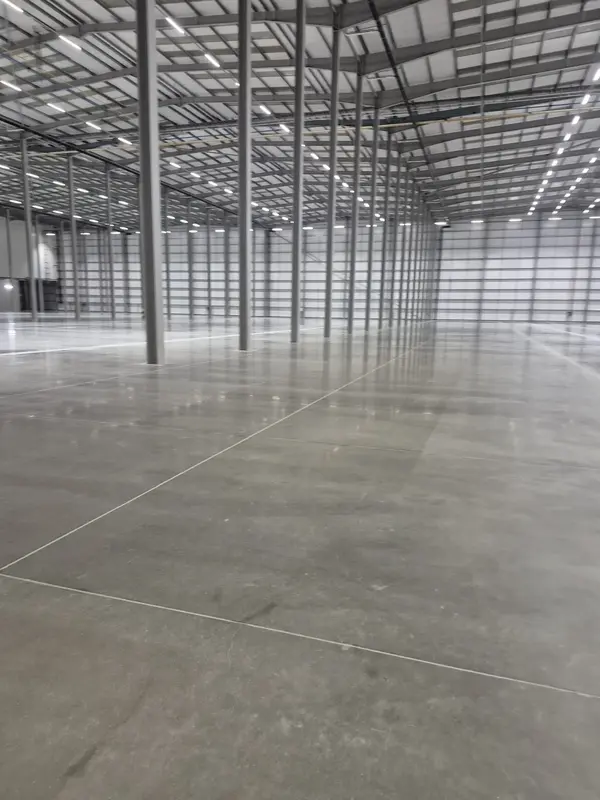
- Use of specialist polyurethane, epoxy, and flexible resin sealants, depending on site requirements. Different floors, different needs. Polyurethane offers flexibility and strong adhesion. Epoxy brings strength for static joints and heavy loads. Flexible resin systems handle movement and temperature swings. We match sealant types to load patterns, cleaning regimes, and chemicals on site. The right system lasts longer and protects edges better. Unsure which to choose? We’ll guide you and explain trade-offs.
Floor Joint Sealing and Waterproofing
- Prevents moisture ingress and protects floor edges. Water can creep into open joints, leading to freeze-thaw problems, rust near steel, and surface damage. A well-sealed joint keeps moisture out and supports a clean, durable edge. Over time, this reduces spalls and protects the slab, even with frequent washdowns. In cold stores or wet process areas, waterproofing becomes even more important.
- Smooth transitions for forklifts, AGVs, and warehouse traffic. Uneven joints slow vehicles and shake loads. By keeping joints filled to the right level and profile, transitions feel smooth and stable. That means fewer dropped goods, less vibration damage, and faster routes. In a busy aisle, this small detail speeds up the whole line. It sounds minor, but operators notice the difference right away.
Expansion Joint Repair and Remediation Services
Joints age, sealants wear, edges chip, and levels drift. We assess damage, remove failed material, and cut clean shoulders. Then we rebuild the edge (arris), fit the right filler, and reseal with a professional joint sealing product. Our focus is to absorb movement, restore transitions, and keep the system watertight. We can grind and smooth high points and fix low spots to reduce impact. If needed, we phase repairs to keep aisles open. Want proof it works? A food warehouse we helped saw fewer pallet drops within weeks.
Materials and Sealant Systems We Use
We use a variety of materials and sealants suited to different floor needs. Our systems are chosen for their ability to handle movement, loads, and changing environments.
- Polyurethane Sealants (PU): Excellent flexibility and chemical resistance. PU sealants suit busy floors with constant movement and washdowns. They stretch well, absorb movement, and keep edges safe. In warehouses, they handle continuous traffic and regular cleaning chemicals. They bond well to concrete joints and help maintain watertight lines. When designed to allow movement and installed carefully, they last for years. Need an example? A logistics site with cold and warm zones used PU to handle temperature swings with minimal maintenance.
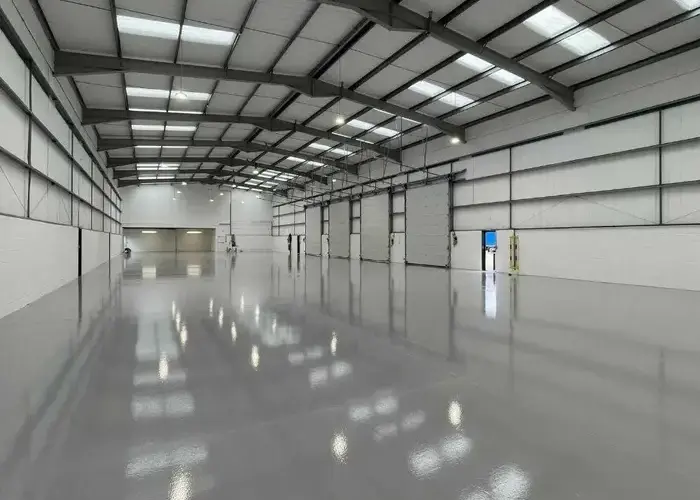
- Epoxy Sealants: High-strength, ideal for static joints. Epoxy is tough. It resists load and abrasion, making it ideal for static joints and load-bearing areas. While it offers less flexibility than PU, it holds strong where movement is low and pressure is high. Used near racking legs and fixed plant, it supports clean, hard edges. With good prep, it provides a long service life and a neat finish. If your joint won’t move much but takes heavy hits, epoxy is a smart choice.
- Flexible Resin Sealants: Best for dynamic or high-traffic floors. Flexible resin systems work where floors move more or temperatures shift often. They stretch, recover, and hold shape under impact and turning wheels. In areas with AGVs, forklifts, or frequent starts and stops, they reduce edge damage and noise. These systems can also perform near heat sources where thermal movement is higher. When paired with the right filler and profile, they stay watertight and tidy. Need resilience plus comfort under wheels? Flexible resin is reliable.
Choosing the Right Expansion Joint Sealant
The choice of sealant depends on the range of expansion and movement expected. A metal expansion joint or rubber expansion joints might be used in other applications, such as a piping system, but for floors, the sealant is key.
| Material | Flexibility | Ideal Use Case |
|---|---|---|
| PU Sealant | High | Industrial and warehouse floors |
| Epoxy | Medium | Static joints and load-bearing areas |
| Flexible Resin | Very High | Movement and temperature variations |
From a standard movement joint to special expansion joints, the right sealant ensures performance. Whether dealing with a bridge expansion joint or warehouse floor, understanding the expected movement without causing damage is critical.
Armoured Joints in Warehouse Floors
Armoured joints are important in areas with heavy traffic and are built to handle tough working conditions. They use steel protection at the slab edges and manage load, movement, and durability. The main benefits and features of these joints are explained in the points below.
- Accommodating Expansion and Contraction: They allow the concrete slab to expand and contract due to temperature changes, preventing cracks and structural damage. Armoured joints help the slab expand and contract safely under daily temperature variations. By giving space for movement without causing tearing, they protect edges and reduce random cracking. This is useful in warehouses with doors opening often or near chill stores. The detail absorbs movement while keeping a strong line for wheels.
- Distributing Load and Stress: They help evenly distribute load and stress across the floor, especially in areas with heavy machinery or forklift traffic. The steel edges in armoured joints help distribute the force from wheels and pallets over a wider area. This stops the slab edge from crushing and reduces spalls. With loads shared evenly, the floor keeps its level and strength. Operators notice smoother rides and fewer jolts. Over months, that means less damage to goods and trucks.
- Controlling Cracks: They control the location and direction of cracks that may form due to shrinkage or settling, maintaining the overall integrity and appearance of the floor. Concrete will crack, so it’s better to control where this will happen. Armoured joints guide potential cracks to safe, planned lines. As shrinkage and building settlement happen, the slab moves in expected ways. This control helps the floor keep a clean look and stable structure. When cracks do appear, they’re in predictable places, easier to monitor and maintain.
- Enhancing Durability: The steel reinforcement within these joints adds strength and durability to the floor, extending its lifespan. Steel edges handle knocks, scrapes, and turning wheels. Steel edges can take more knocks, scrapes, and heavy wheels than plain concrete corners, making them much less likely to chip or break. Over the years, this means fewer repairs and longer life for the slab. In busy aisles, the benefit is clear: less downtime and better ride quality. Good parts last. That’s true for joints as well as machines.
- Facilitating Repairs and Maintenance: They facilitate easier repairs by providing defined joints that can be isolated for maintenance without damaging the entire floor. Clear, straight joints make local repairs faster. Teams can isolate a strip, remove damaged sections, and rebuild edges neatly. This keeps the rest of the floor in service and limits disruption. For sites that run 24/7, that matters. It’s practical, safe, and cost-effective. However, sometimes these joints need to be removed, excessive curling of the concrete can sometimes make these areas fall out of tolerance if high tolerance floors are required for robotics and automated warehousing is required. But don’t worry, we have a solution for any scenario.
Our Role
DC Flooring does not usually install armoured joints, those are usually installed when the concrete is poured. Our role is to remediate, fix, and grind existing joints. We repair damaged edges and surface transitions, grind and smooth worn or misaligned joints, and reseal for protection against debris and water ingress. We also manage filler issues and restore watertight performance. Need help with installed expansion joints that have failed? We assess, phase the works, and keep your site moving. Simple, clear, effective service.
- Repair damaged edges and surface transitions. We remove loose material, recut edges where needed, and rebuild arrises. This restores a clean, strong line for wheels and reduces further chipping. Careful profiling creates smoother transitions, which improves safety and comfort for drivers. Once repaired, the joint looks neat and lasts longer under traffic.
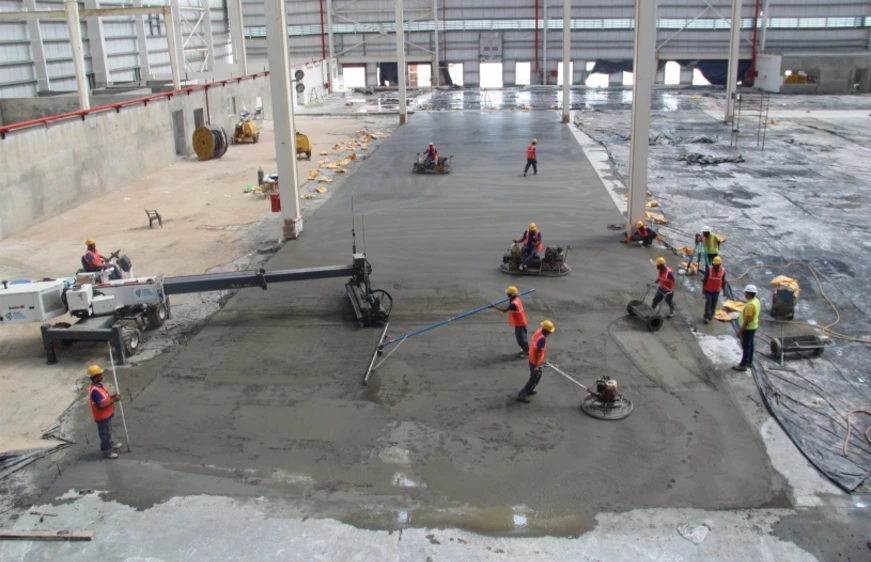
- Grind and smooth worn or misaligned joints. High points cause bumps, noise, and damage. We grind these down to fall within strict tolerances using our state of the art profiling and grinding equipment. If joints have shifted, we re-cut where needed to restore correct geometry. The aim is a consistent, calm ride for trucks and AGVs. Less vibration, less wear, more uptime.
- Seal for protection against debris and water ingress. Sealing keeps joints watertight and clean. By blocking debris and moisture, we prevent hidden damage, rust near steel, and freeze-thaw issues. The right sealant profile supports movement, stays flexible, and looks tidy. Your team will notice the difference.
How Much Does Expansion Joint Installation Cost in the UK?
Expansion joint installation cost varies by floor size, joint type, and sealant material. Project access, temperature, and cleaning standards also affect price. Heavier traffic needs tougher systems, which can cost more. To budget well, list your joint lengths, spacing, and areas with high loads. Then match the sealant to the movement and chemistry. Want a clear quote? We’ll survey, confirm quantities, and give options with pros and cons so you can choose with confidence.
Why Choose DC Flooring for Expansion Joints in the UK and Europe?
We focus on practical, long-lasting results. Our team understands movement joint design, concrete joints, construction joints, and specialised sealing. We choose materials that are designed to accommodate the loads, temperature variations, and cleaning regimes on your site. We plan the works around your operations, reduce downtime, and deliver neat finishes. From warehouses to manufacturing and data centres, we create smooth, watertight, and reliable joint systems. Need help with thermal expansion, spacing, or joint profiles? We’re ready with clear advice, careful work, and proven outcomes.
FAQs
How often should expansion joints be inspected or replaced?
Most busy sites inspect joints every six to twelve months. Look for sealant loss, cracking, or edge damage. Areas with continuous traffic or temperature variations may need more frequent checks. Replace or repair when seals lose flexibility or stop being watertight. If transitions feel rough, act sooner. Regular inspections prevent bigger repairs later. A quick walk-through can save time, money, and risk. Is it time for your next inspection?
What materials are best for industrial floor joint sealing?
Choose materials based on movement, load, and chemicals. Polyurethane or polysulphide are a good choice for joints that need to stay flexible and for areas that are cleaned often. Epoxy works for static joints and heavy loads. Flexible resin handles larger movement and temperature swings. Add the right expansion joint filler to support the seal profile. In hot zones, use systems rated for thermal movement. Always prepare clean, dry edges and follow depth rules. The right match lasts longer and protects edges better.
Can you repair damaged or uneven expansion joints?
Yes. We cut out failed sealant, rebuild edges, and reset levels as part of our expansion joint repair services. We can grind high spots and fill low spots to restore smooth transitions. Then we fit the correct filler and reseal for watertight performance. This reduces vibration, protects goods, and extends floor life. Repairs can be phased to keep traffic moving. Whether a quick fix or a planned program, we’ll match your needs and schedule.
How do high temperature expansion joints differ from standard ones?
High-temperature details use materials that resist heat and internal pressures. They are designed to accommodate more thermal movement and keep seals watertight as temperatures change. Profiles may differ to absorb movement without tearing. In manufacturing, foundries, or data centres, these joints protect edges and reduce cracks caused by heat cycles. The goal is the same as standard joints, to allow movement, but the materials and design handle tougher conditions.
What’s the difference between expansion joint installation and repair?
Installation sets up new joints with planned spacing, profiles, filler, and sealants. Repair focuses on fixing worn or damaged joints by removing failed parts, rebuilding edges, and resealing. Installation prevents future issues; repair restores performance. Both aim to absorb movement, keep transitions smooth, and stay watertight.
Can DC Flooring handle both concrete and screed expansion joints?
Yes. We work on reinforced concrete slabs, concrete foundations, and resin or screed overlays. We choose profiles and materials to suit movement and load. For screeds, we protect the overlay while allowing the base to move. For heavy concrete, we focus on edge strength and smooth transitions. The aim is always the same: allow movement, protect the arris, and keep the joint clean and durable. We have the expertise for your project.
Are your expansion joint sealants chemical and heat resistant?
We use systems rated for specific risks, including chemicals, cleaning agents, and temperature variations. Polyurethanes and flexible resins offer strong chemical resistance and movement capacity. For higher heat, we choose formulations designed to allow thermal movement and stay watertight. Tell us your conditions (forklifts, washdowns, hot zones) and we’ll specify the right match. The result is a sealed, durable line that absorbs movement and stands up to daily use.