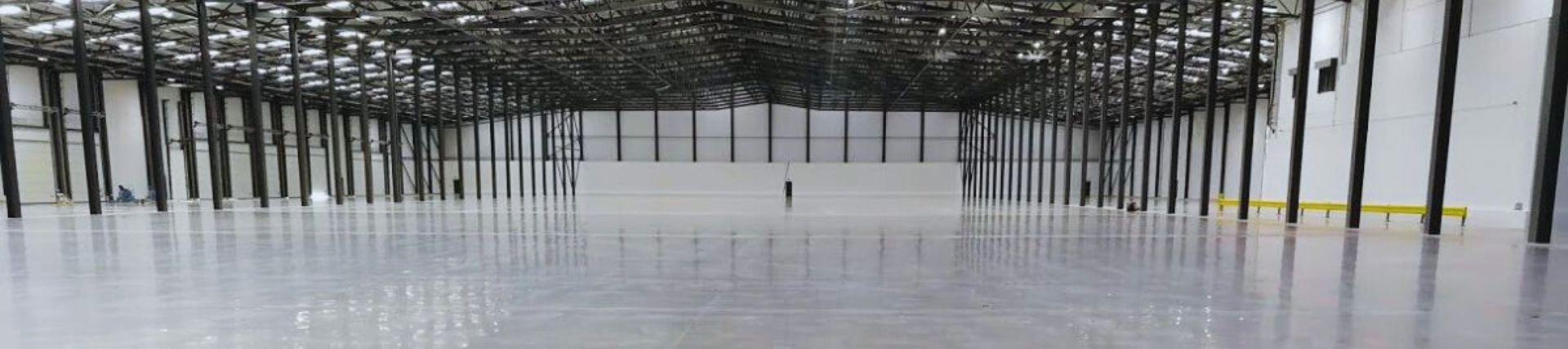
Mapei Primer is essential for flooring preparation. It improves the bond between surfaces and adhesives. Using the primer helps extend the life of your flooring. It is suitable for a range of flooring types. The application process is quick and straightforward. This Mapei primer for floors ensures a smooth and stable flooring installation.
Mapei Primer for Flooring — The Best Flooring Solutions by DC Flooring
Mapei Primer creates a strong foundation for flooring. It improves adhesion between the surface and the flooring material. This primer helps to avoid issues with flooring installations. Application is quick, saving time on projects. Mapei Primer is a reliable choice for contractors and homeowners alike.

Different Types of Mapei Primer for Flooring
Mapei Primer G
Where to Use
- Treat gypsum surfaces before installing ceramic tiles.
- Use as an anchoring coat for gypsum-based sprayable plasters.
- Improve adhesion of smoothing compounds on cementitious, anhydrite, and gypsum-based surfaces.
- Ensure uniform absorption in cementitious or gypsum-based surfaces.
Technical Characteristics
Primer G is a synthetic resin-based primer. Once applied, it dries to form a flexible, compact, shiny coating that consolidates the surface if needed. Primer G improves adhesion for smoothing compounds, paint, wallpaper adhesive, tile adhesive, and mortar for renders. It prevents chemical reactions between gypsum sulfates and cement aluminates, avoiding separation.
Using Primer G before wallpapering reduces absorption and glue use, making wallpaper removal easier. Before sprayable plasters, it slows water absorption, prolongs workability, and helps prevent shrinkage cracks. For self-levelling compounds, Primer G reduces air bubbles and prevents rapid drying, making levelling easier. Primer G is non-flammable and safe for use in enclosed, unventilated spaces.
Preparing the Substrate
The substrate must be clean, dry, and free from oils, grease, residual paint, and other loose material. Follow the manufacturer’s recommendations for gypsum plaster, especially regarding moisture content and surface finish level. Repair cracks in concrete surfaces with Eporip or Epojet. Sandpaper anhydrite surfaces.
Application Process
a) To treat ceramic tiles on gypsum, stir Primer G before use and apply it evenly with a flat brush or roller without diluting. If the gypsum surface is very smooth and glossy, abrade it first. Once dry, install the tiles.
b) For anchoring gypsum plasters, dilute Primer G 1:2 with water, stir well, and spread evenly with a flat brush, roller, or spray pump. Apply the sprayable gypsum plaster once Primer G is dry.
c) As a primer before applying self-leveling and thixotropic smoothing compounds from the MAPEI range:
- For cementitious substrates, dilute Primer G 1:1 with water.
- For gypsum-based substrates, use Primer G undiluted.
d) As a primer for wallpaper adhesives, dilute Primer G 1:3 with water.
e) As a primer between smoothing layers, dilute Primer G 1:1 with water.
| TECHNICAL DATA (typical values) | |
| PRODUCT IDENTITY | |
| Consistency: | liquid |
| Colour: | light blue |
| Density (g/cm³): | 1.01 |
| pH: | 8 |
| Dry solids content (%): | 18 |
| GEV EMICODE (according to EN ISO 16000 – 3, 6, 9, 11 and CEN/TS 16516): | EC1 Plus – very low emission |
| Maximum VOC according to 2004/42/EC: | 0 g/l |
| APPLICATION DATA (at +23°C – 50% R.H.) | |
| Application temperature range: | from +5°C to +35°C |
| Drying time before the application of the levelling compounds or adhesive: – concrete: – gypsum: | 30 min 30-60 min |
Mapei Primer 3296
Dust-repellent acrylic primer is used for masonry, render, and screeds. It acts as a consolidator and adhesion promoter. It is in water dispersion and is useful in strengthening and waterproofing work.
Where to Use
Primer 3296 strengthens and improves the surface characteristics of weak, crumbling, and dusty substrates. It is also suitable for external use to solidify surfaces of cement sublayers, render, solid brick masonry, sandstone, tuff, limestone, and cement/lime building mortar.
Technical Characteristics
Primer 3296 is an acrylic polymer-based water-dispersion primer with high penetration, even on surfaces with low porosity. It consolidates surfaces and removes dust and powder, enhancing mechanical strength. As a primer for self-levelling products, it reduces pinholes, prevents quick drying, aids levelling, and improves bonding. Primer 3296 is suitable for both indoor and outdoor use, and its consolidation effect makes surfaces more durable against weather conditions like rain, humidity, and sunlight.
Preparation of the Substrate
The surfaces or elements to be treated with Primer 3296 must be dry, clean, and free of grease, oil, paint, and other substances that could hinder the product’s penetration.
Application Process
Dilute Primer 3296 with water at a 1:1 ratio. Use it as a consolidating, dust-repellent primer and adhesion promoter.
For restoring masonry:
- Consolidate the surface of absorbent masonry.
- Use before skimming existing render with lime or lime-cement-based mortar from the Mape-Antique or Poromap ranges, or Planitop, to improve adhesion.
For structural strengthening work:
- Use the Mapewrap EQ System in anti-collapse systems for walls and ceilings.
- Strengthen brick/concrete floors with Planitop HPC Floor products.
For waterproofing work:
- Create waterproofing systems, including those resistant to negative lift, with Mapelastic Foundation or Mape-Antique Ecolastic.
For installing wood flooring:
- Prepare screeds with a dusty surface before installing wood flooring. Spread the mix with a broom, brush, or roller. Install wood flooring with vinyl adhesive after 12-48 hours.
For treating and installing flooring:
- Make cementitious grout lines more resistant and reduce their porosity and absorbency. If the product runs onto tiles, wait for it to penetrate the grout lines, then clean it with a damp sponge.
- Prepare substrates before applying self-leveling smoothing and skimming compounds. Apply skimming compound once the primer has set.
| TECHNICAL DATA (typical values) | |
| PRODUCT IDENTITY | |
| Consistency: | fluid liquid |
| Colour: | opalescent |
| Specific gravity (kg/l): | 1.01 |
| Dry solids content (%): | 15 |
| Brookfield Viscosity # 1, rpm 10 (mPa·s): | 20 |
| COMPOSITION AND PROPERTIES OF THE MIXTURE (T = +23°C, R.H. = 50%) | |
| Application temperature: | from +5°C to +35°C |
| Dilution: | none, 1:1, 1:2 with water, depending on the absorption of the substrate |
| Waiting time before bonding: | 12 hours (depending on ambient conditions) |
| Drying time: | 24 hours |
Mapei Primer SN
Primer SN is designed to perform preliminary priming treatments on surfaces. It is applied before using epoxy and polyurethane resin systems from the Mapefloor range. Use it with self-levelling cementitious mortars from the Ultratop/Ultratop Living range and Ultratop Loft. It protects and coats civil and industrial floors, terrazzo floors, and cementitious substrates in general.
Where to Use
- Promotes adhesion in epoxy and polyurethane resin systems.
- Enhances adhesion in self-leveling or multi-layered resin systems.
- Improves adhesion for resin mortar screeds.
- Promotes adhesion for coatings in the Ultratop, Ultratop Living, and Ultratop Loft ranges.
- It serves as a binder for resinous mortars to patch and repair holes, cracks, voids, and uneven surfaces.
Technical Characteristics
Primer SN is a high solid content, two-component, epoxy resin – based primer with filler. It can be applied using a roller, steel trowel, or rake. Developed in MAPEI R&D Laboratories, Primer SN prevents Radon, a radioactive natural gas in the soil, from entering buildings. It meets DIN ISO/TS 11665-13 standards and is certified by an IAF-accredited laboratory for radionuclide analysis. It complies with EN 13813 standards for screed materials and floor screeds used in internal floors. Primer SN can be used alone or mixed with Quartz 0.5 to improve the adhesion of subsequent resin systems and level surfaces. Its special formulation allows it to penetrate surfaces well and be applied to substrates that are locally moderately damp.
Benefits
- Simple to apply.
- Versatile usage.
- Strong consolidating property.
- Suitable for slightly damp substrates.
- Seals pores effectively.
- High adhesion to surfaces.
- Works with all epoxy and polyurethane products in the Mapefloor range.
- Low VOC emission (CDPH standard).
- Environmentally friendly: can contribute to LEED credits. EPD compliant.
Application Procedure
The surface of concrete floors should ideally be dry or slightly damp, clean, and intact without any crumbling or loose parts. The substrate concrete must have a compressive strength of at least 25 N/mm² and a minimum tensile strength of 1.5 N/mm². It should be strong enough for its intended use and the loads it will bear. The substrate’s moisture content should not exceed 4%, and there should be no rising dampness. Prepare the floor surface using mechanical methods like shot blasting or grinding to remove dirt, cement laitance, and loose parts and to make the surface slightly rough and absorbent. Repair cracks, holes, or surface irregularities with Primer SN mixed with quartz sand, Additix PE, Mapefloor JA, or Mapefloor JA Fast, depending on the defect size. Use Mapefloor EP19 for highly deteriorated areas, large hollows, and slope adjustments. Before applying Primer SN, clean the surface with a vacuum to remove dust.
To prepare the product, stir component A thoroughly, add component B, and mix with a low-speed mixer to prevent air entrapment until the mixture is homogeneous. Briefly mix again in a clean container. For creating epoxy mortars for cracks and small repairs, adjust the quantity and size of quartz sand or make the product thixotropic with Additix PE to achieve the desired consistency. Avoid over-mixing to limit air entrapment.
Apply the mixture within the pot life indicated at +20°C. Higher temperatures will shorten pot life, while lower temperatures will extend it. Apply Primer SN using a roller or steel trowel. Sprinkle quartz 0.5 on the wet surface and adjust the broadcast depending on the epoxy or polyurethane resin system. When applying Ultratop or Ultratop Living, use 1.2 mm quartz sand. Ensure no open pores in the substrate to prevent air escape and pinholes in the subsequent resin system. This is crucial for self-levelling resin or cementitious systems.
| TECHNICAL DATA (typical values) | |||
| PRODUCT IDENTITY | |||
| Component A | Component B | ||
| Consistency: | liquid | liquid | |
| Colour: | neutral | straw-yellow | |
| Density (EN ISO 2811-1) | 1.65 g/cm³ | 0.99 g/cm³ | |
| Viscosity at +23°C (EN ISO 2555) | 3 000 mPa·s (# 4 – 20 rpm) | 200 mPa·s (# 1 – 20 rpm) | |
| APPLICATION DATA (at +23°C and 50% R.H.) | |||
| COMPOSITION AND PROPERTIES OF THE MIXTURE (T = +23°C, R.H. = 50%) | |||
| Mixing ratio | component A : component B = 80 : 20 | ||
| Colour of mix | neutral | ||
| Consistency of mix | thick fluid | ||
| Density of mix (EN ISO 2811-1) | 1 500 kg/m³ | ||
| Viscosity of mix (EN ISO 2555) | 1 100 ± 100 mPa·s (# 3 – 50 rpm) | ||
| Workability time at +20°C | 30 mins. | ||
| Application temperature | from +8°C to +35°C | ||
| Waiting time between coats at +23°C and 50% R.H. – on Primer SN without broadcast of quartz sand: – on Primer SN with broadcast in excess of quartz sand: | Min. 12 hours, max. 48 hours min. 12 hours, no maximum limit* *surfaces must be dry, clean and with no dust | ||
| Hardening time at +23°C and 50% R.H.: – dust dry: – set to foot traffic: – full hardening time: | approx. 6 hours approx. 24 hours approx. 7 days | ||
| The times above are for indication purposes only and are influenced by actual site conditions (e.g. temperature of the surroundings and substrate, relative humidity of the surrounding air, etc.) | |||
| FINAL PERFORMANCE | |||
| Compressive strength (EN 196-1) | 63 N/mm² (7 days at +23°C) | ||
| Shore D hardness (DIN 53505) | 78 (7 days at +23°C) | ||
| Essential characteristics | Test method | Requirements according to EN 13813 for synthetic resin-based screeds | Typical values |
| Bond strength | EN 13892-8 | ≥ B1.5 | ≥ B2.0 |
| Reaction to fire | EN 13501-1 | from A1 to F | B -s1 |
| Performance characteristic Radon | Test method | Performance of product | |
| Determination of the Radon diffusion coefficient | DIN ISO/TS 11665-13 | R > 3 | |
Mapei Primer EP4 Fast
Primer EP4 Fast is a two-component epoxy primer for cementitious surfaces with up to 5.5% residual moisture content. It is used before installing waterproofing membranes from the Purtop line.
Where to Use
Primer EP4 Fast is for treating all cementitious substrates, anhydrite and gypsum substrates provided they are dry. It can also be used as a fast drying barrier against residual moisture in cementitious substrates up to 5.5% CM.
Technical Characteristics
Primer EP4 Fast is a two-component, solvent-free, low-viscosity epoxy primer. It is designed for damp absorbent substrates and developed in Mapei’s R&D laboratories.
Application Process
All substrates, whether new or old, must be clean, sound, and free of oil, grease, old paint, and any material that may affect primer adhesion. Prepare surfaces with shot-blasting, hydro-blasting, or suitable treatment to create a slightly rough, absorbent surface. Use a vacuum cleaner to remove dust before applying Primer EP4 Fast. Apply to damp substrates without standing water. Dry any water present before application.
Primer EP4 Fast: A two-component, solvent-free epoxy primer for damp substrates.
Prepare the primer using an electric mixer. Mix the two components separately, then pour component B into component A and blend thoroughly. Apply a single coat with a trowel, ensuring all surface pores are completely saturated and sealed.
| TECHNICAL DATA (typical values) | ||
| PRODUCT IDENTITY | ||
| component A | component B | |
| Consistency: | paste | liquid |
| Colour: | dark grey | amber, transparent |
| Density (g/cm³): | 1.65 | 1.01 |
| Brookfield viscosity at +23°C (mPa·s): | 18,000 (rotor 6 – 20 RPM) | 950 (rotor 3 – 20 RPM) |
| APPLICATION DATA (at +23°C – 50% R.H.) | ||
| Colour of mix: | dark grey | |
| Mixing ratio: | comp A : comp B = 11 95 : 3.05 | |
| Density of mix (g/cm³): | 1.47 | |
| Brookfield viscosity of mix (mPa·s): | 5,500 (rotor 4 – 20 RPM) | |
| Pot-life of mix (mins.): | 100 at +5°C 40 at +23°C 30 at +35°C | |
| Application temperature: | +5°C to +35°C | |
| Dust dry (h): | 6 at +5°C 3 at +23°C 2 at +35°C | |
| Complete hardening (days): | 7 | |
| Set to foot traffic (h): | 24 | |
| FINAL PERFORMANCE | ||
| Adhesion to concrete (EN 1542) (N/mm²): | > 3 | |
| Permeability to water vapour (EN ISO 7783): | Class II (average s = 45 m | |
Mapei Epoxy Speed – Solvent-free Accelerator for Epoxy Primers
EpoxySpeed is an efficient reaction activator for epoxy-based primers. It is ideal when plant downtime is limited, or temperatures are low (+5 to 10°C), requiring faster installation operations.
Where to use
- Used as an accelerating admixture for epoxy mortar binders in fastening and anchoring.
- Acts as an accelerating admixture to improve the adhesion of epoxy coatings.
Technical Characteristics
EpoxySpeed is a special solvent-free liquid admixture developed in the MAPEI R&D laboratories. When combined with epoxy-based primers or binders, it triggers the catalysing reaction and reduces installation time. This property is useful when minimising downtime or accelerating hardening is necessary, especially at low temperatures (around +5÷10°C).
| TECHNICAL DATA (typical values) | |
| PRODUCT IDENTITY | |
| Appearance: | liquid |
| Gardener colour: | amber |
| Density (g/cm³): | 0.97 |
| Viscosity at +23°C (mPa·s): | 200 |
| pH: | alkaline |
| APPLICATION DATA (at +10°C) | |
| Workability time Primer SN +3% Epoxy Speed: | 15 min |
| Dust dry Primer SN +3% Epoxy Speed: | 4 hours |
| Set to foot traffic Primer SN +3% Epoxy Speed: | 16 hours |
| Workability time Mapefloor I 900 +3% Epoxy Speed: | 15 min |
| Dust dry Mapefloor I 900 +3% Epoxy Speed: | 4 hours |
| Set to foot traffic Mapefloor I 900 +3% Epoxy Speed: | 14 hours |
Elevate Your Flooring Projects with Mapei Floor Primer by DC Flooring – Call Us Today!
Reach out to DC Flooring for all your Mapei floor primer needs. We offer top-quality solutions that ensure durability and efficiency. Our products guarantee professional results for your flooring projects. Contact us now to get started and transform your space with Mapei’s trusted formulas.
(Always consult the manufacturers data sheet before the application of this product!)
FAQs
Are there any specific environmental considerations when using Mapei Primer?
Mapei Primer should be applied in environments with temperatures between +5°C and +35°C. Ensure the area is well-ventilated to prevent buildup of fumes. Avoid application on substrates with standing water. Keep all application tools clean and dry. After use, secure containers tightly to avoid contamination. Use protective gear to ensure safety during application. Follow all provided guidelines closely for optimum results.
How does Mapei Primer contribute to the longevity of flooring installations?
Mapei Primer strengthens the bond between the substrate and the flooring material. It reduces the risk of cracks and defects. The primer improves the durability of the floor installation. It provides resistance against wear and tear. Using Mapei Primer leads to longer-lasting flooring. It ensures consistent performance and appearance over time.
How do I know if my surface is properly prepared for Mapei Primer?
Ensure the surface is clean and dry. Remove oil, grease, and old paint. Check for loose materials and debris. Use suitable methods to create a rough surface. A properly prepared surface allows better primer adhesion. This prevents peeling and ensures durability.
How many coats of Mapei primer?
Apply one coat of Mapei primer to most surfaces. Check if the first coat covers the entire area smoothly. A second coat might be necessary for highly absorbent substrates. Always ensure even application for consistent results. Let the primer fully dry before proceeding with other materials.