Concrete floors are designed to provide a stable, even surface for work and everyday life. Unfortunately, over time, factors like shifting soil, water migration, or heavy loading can cause concrete floors to settle, sink, or become uneven. This leads to hazardous sunken concrete, posing risks to people and machinery and disrupting day-to-day operations.
Rather than resorting to costly and time-consuming full replacements, DC Flooring provides specialist polyurethane slab injection and slab jacking and lifting services. Our team injects a controlled polyurethane resin under the floor, which expands to fill voids and lifts the slab smoothly. The process restores safe, level surfaces with minimal disruption and a fast turnaround.
Why Choose Polyurethane Injection (Slab Jacking)?
When a concrete floor develops dips or becomes unlevel, it affects both safety and functionality. The polyurethane concrete lifting process offers a modern alternative to traditional demolition. Instead of waiting weeks for new concrete and dealing with extensive construction work, our approach uses targeted injections to correct sunken concrete efficiently.
By using a rapid-curing foam beneath the slab, we support and lift problem areas without excessive downtime. As a result, schools, businesses, and homes experience the benefits of a quick, reliable repair that also reduces cost and environmental impact.
- Non‑destructive: Older methods of concrete repair often meant large-scale demolition, rubble, and heavy disturbances to the workplace or property. In contrast, our process is non-destructive. Only a few small holes are drilled into the concrete surface. Polyurethane resin is then injected through these points. This approach minimises surface damage and preserves the integrity of the existing slab. Once the repair is finished, the injection ports are neatly patched, leaving the area looking almost untouched. There is no need to worry about mess or extended site disruption.
- Rapid return to service and traffic-ready: Time is a critical factor in any commercial or educational environment. Our method allows for a rapid return to normal operations. Polyurethane resin cures within minutes beneath the slab, enabling most sites to reopen areas just 15 to 30 minutes after the repair. Unlike conventional techniques that require days of closure and long drying times, our solution drastically minimises downtime. Most projects are completed within a day, so essential spaces can be back in use almost immediately.
- Precision lifting with millimetre control: Certain environments require strict floor tolerances, such as warehouses with AGV robots, conveyor systems, or precise storage racking. During the lifting process, we use a laser level and continuous monitoring to ensure precise, controlled movement at each injection point. This technology lets us lift and level concrete surfaces to within a few millimetres of specification. The outcome is an even, reliable floor that meets the rigorous needs of industrial and commercial clients and reduces the risk of further issues.
- Long-term stability: A common question is whether the slab might settle again after repair. We use polyurethane resin specifically designed for strength and durability. Once expanded, the foam supports the weight of the floor and the loads above. It does not shrink, degrade, or wash out over time, unlike some cement-based methods. In addition to lifting, the process densifies weak, loose soils beneath the slab, addressing the cause of settlement. This provides a long-lasting solution and reassurance for property owners.
- Cost-effective vs full slab replacement: Full slab replacement requires demolition, new concrete, removal of waste, and sometimes days or weeks of facility closure. That means high cost and extended disruption. By comparison, polyurethane slab injection is usually at least 50% less expensive. Savings come from the reduced need for heavy equipment, fewer materials, and shorter project times. For site managers and business owners, it is a practical way to resolve issues with sunken concrete slabs while controlling both costs and schedules.
- Safety advantages: An uneven concrete surface is a clear hazard, increasing the likelihood of trips, falls, or machinery damage. By lifting and correcting uneven concrete quickly, our process helps keep people and equipment safe. Installation is also safe, requiring fewer staff and producing less dust or mess than traditional methods. The foam used is low-emission and non-toxic once cured, so workers and facility users are protected before, during, and after the procedure.
How Polyurethane Slab Lifting Works?
The polyurethane concrete lifting process is straightforward and designed for efficiency. The process leaves little mess, minimal interruption, and
1. Site survey and assessment
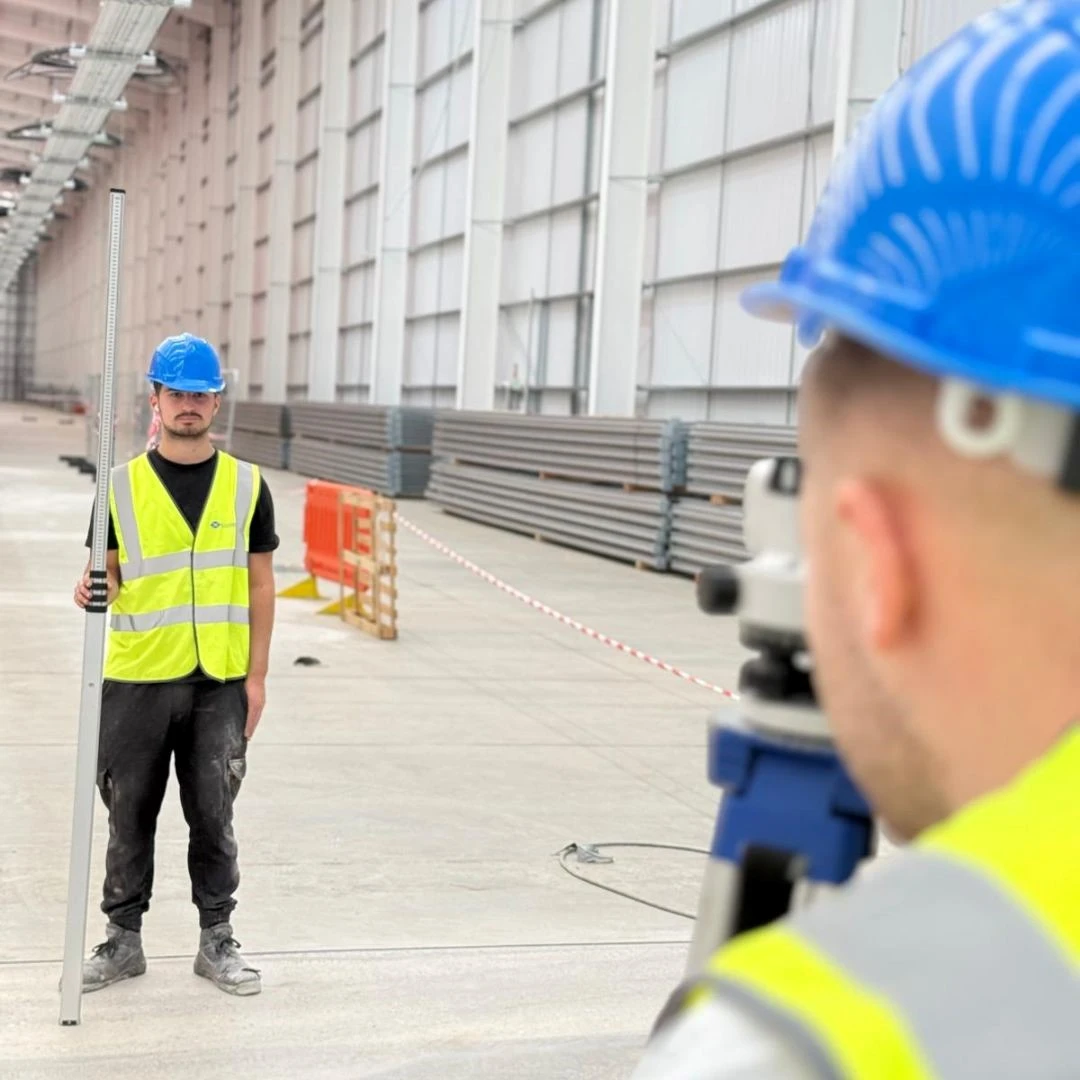
Every project begins with a detailed assessment by experienced technicians. We examine each defect, measuring dips, cracks, and the degree of settlement. Sometimes, non-invasive tools help to identify hidden voids beneath the slab. This initial survey ensures we target all relevant areas and determine the appropriate volume and location for foam injection. Planning the injection process with precision allows for better outcomes and helps avoid missed spots or wasted material.
2. Drilling injection ports
The next step is to drill a series of small ports into the sunken concrete slabs at marked positions. These are usually as wide as a pencil and spaced to permit even distribution of resin throughout the problem area. We pay close attention to site plans and conduct safety checks to avoid existing utilities. By keeping the holes small and focused, we reduce dust, keep the slab strong, and set up the system for targeted and effective lifting.
3. Resin injection
Once the holes are prepared, polyurethane resin is injected through each port using specialised equipment. The resin flows into gaps, cracks, and open areas beneath the slab. Once in place, it reacts and expands, turning into a solid, supportive foam. As the foam spreads, it fills any hidden spaces and compacts soil as needed. The controlled expansion is the heart of the slab jacking process, supporting both the slab and subbase.
4. Lift monitoring and adjustment
Professional monitoring throughout the lifting process is essential. Using a laser level and dial gauges, the team observes the change in slab height at each port in real time. Adjustments are made immediately as needed to ensure a uniform, controlled lift across the affected area. The objective is to reach the planned elevation with millimetre accuracy, avoiding over-lifting or any stress that could crack the slab. Successful monitoring means an even, functional floor as the end result.
5. Hole sealing & finish
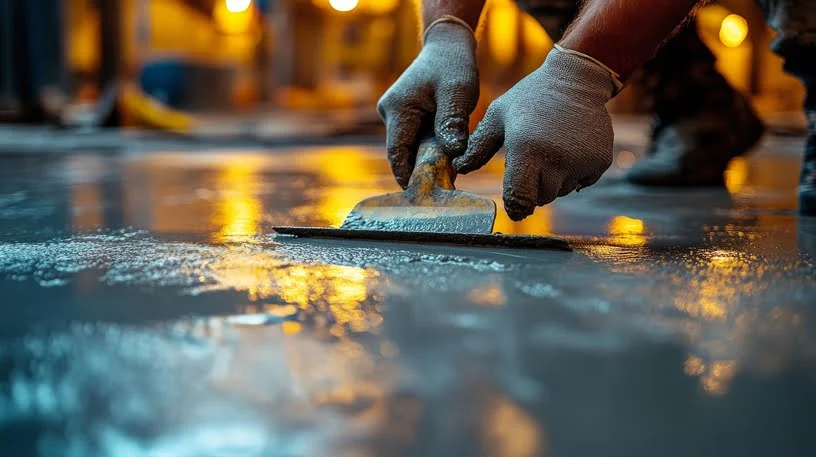
After the slab has been raised to the correct height and the foam has fully cured, injection ports are carefully filled. We use strong, colour-matched cementitious material to seal each drill hole and restore the floor’s appearance. The team then tidies the work zone, ensuring the area is clean and safe. The finished surface remains visually consistent, with very little evidence of remedial work once complete.
6. Post-lift quality assurance
Once the technical work concludes, our team conducts a thorough quality inspection. This involves checking for remaining voids, confirming slab level, and verifying all patching for neatness and strength. In some cases, joint sounds or hollow areas are checked to ensure proper filling. Our post-service review ensures the repair meets high industry standards and satisfies client requirements.
Technical Specification and Performance Metrics
For decision makers requiring technical details, our polyurethane system is carefully engineered for superior results. We work within strict guidelines to meet the needs of modern industrial, commercial, and residential floors:
| Parameter | Typical Specification / Range | Unit | Purpose / Notes |
|---|---|---|---|
| Resin Type | Rigid 2-component polyurethane foam | N/A | For reliable slab lift and consolidation |
| Density (post-cure) | 200–450 kg/m³ | kg/m³ | Suitable lift and support; avoids over-expansion |
| Compressive Strength | 2–8 MPa | MPa | Routine load-bearing for varied floors |
| Expansion Rate | 20–50× original volume | N/A | Rapid, sufficient lift without stress |
| Lift Accuracy / Tolerance | ±1–3 mm per lift point | mm | Enables highly accurate concrete leveling |
| Cure Time | 15–60 minutes | Minutes | Quick return-to-use for all facilities |
| Injection Hole Diameter | 12–20 mm | mm | Small, easy to patch; minimal surface impact |
| Lift per Injection Port | 5–50 mm | mm | Matched to voids and settlement depth |
| Void Filling / Soil Densification | Up to 95% of sub-base voids | % | Stability, prevents new settlement |
| Maximum Supported Slab Thickness | Up to 300 mm | mm | Suitable for most floors |
| Environmental Conditions | 5–35°C, <75% RH | °C / % RH | Proper reaction and strong results |
Expert Concrete Lifting Services
DC Flooring’s experienced technicians deliver concrete lifting solutions suitable for both minor repairs and large-scale industrial projects. We routinely address sunken or uneven concrete with polyurethane solutions designed to last. Whether your facility is a warehouse, factory, school, or commercial venue, our methods are adapted to unique site conditions using polyurethane resin, advanced levelling technology, and best practice safety measures. We offer thorough site planning, skilful injection, and professional finish for every slab jacking and lifting project.
Main Benefits of Slab Jacking
Polyurethane slab jacking is trusted due to its blend of speed, safety, cost-efficiency, and reduced environmental impact. Here are some of the key advantages clients can expect:
- Time savings: Compared to full replacement, slab jacking completes restoration in a fraction of the time. The lifting process and fast-curing foam allow for same-day service. Customers avoid long construction periods and the delays caused by curing new concrete.
- Cost savings: Cost reduction comes from cutting project length, reducing labour, and avoiding full demolition. There is no need for major removal, hauling, or waste, so business owners see savings both in direct repair costs and the reduced impact on operations.
- Minimal business disruption: Because polyurethane injection requires only small crews, lightweight tools, and short closure periods, businesses can often remain open. Noise, dust, and barriers are kept to a minimum, reducing inconvenience for workers and visitors.
- Long-term stability: Slab jacking addresses not only existing settlement, but also reinforces support beneath the slab. Foam expands to fill and densify voids, improving the foundation and helping limit future erosion or movement.
- Safety improvements: Restored concrete surfaces eliminate trip hazards and prevent accidents. In addition, the process itself avoids risks associated with heavy machinery and demolition. The end result is a safer space for employees, customers, or families.
- Sustainability: Polyurethane slab lifting avoids the resource use and waste from concrete replacement. The method generates minimal concrete debris, reduces landfill, and uses safe, certified materials. The process is environmentally responsible compared to traditional approaches.
Polyurethane Slab Injection vs Full Slab Replacement
Choosing between polyurethane slab jacking and full replacement depends on the condition and use of the concrete floor. For most cases of sunken or uneven concrete, slab jacking provides a fast, precise, and economical alternative. The comparison below illustrates key differences:
| Metric / Feature | Polyurethane Slab Jacking | Full Slab Replacement | Notes / Benefits |
|---|---|---|---|
| Cost per m² | £25–£60 | £120–£250 | Jacking is usually 50%+ more economical |
| Downtime / Disruption | Hours to a day | Days to weeks | Jacking allows business continuity |
| Surface Preparation | Minimal (small drill holes) | Extensive, full slab removal | Polyurethane means less mess |
| Waste Generated | Very low | High (demolition debris) | Injection is more sustainable |
| Lift / Level Accuracy | ±1–3 mm | ±5 mm or more | Higher precision with resin injection |
| Load-Bearing Restored | Yes, often improved | Standard | Jacking densifies beneath the slab |
| Time to Service | 15–60 min (traffic-ready) | Several days+ | Faster return to use with injection |
| Suitability | Ideal for industrial/commercial | Good | Jacking suits critical floors |
| Long-Term Stability | High | Varies | Injection fills voids and supports soil |
| Environmental Impact | Low | High | Less dust, noise, and debris |
Risks, Considerations & Mitigation
While slab jacking is a controlled and proven approach, careful planning and execution are essential to maximise success and safety. Key considerations include:
- Risk of over-lifting if injection is not controlled (monitoring is vital): Without precise monitoring, slabs can be lifted too far. Our team uses both visual checks and laser level tools to watch and control movement at all times. This prevents over-lift and maintains slab integrity.
- Voids not detected: Undiscovered voids can reduce the effectiveness of the repair. We address this by conducting thorough site surveys, using detection equipment, and adjusting injection as work progresses to ensure all gaps are filled.
- Utility strike risk: There is always a risk of hitting underground services when drilling. We take strict precautions by consulting site maps, using detection tools, and liaising closely with clients to avoid any disruption to utilities.
- Choosing the right resin: Not all polyurethane resins are equal; some suit heavy loading, others are best for damp or unstable ground. Our team assesses site conditions to select the correct resin, ensuring durable and appropriate repairs.
- Surface finish: Patch marks may remain where ports were drilled, but these are small, colour-matched, and sealed flush with the floor. We always aim for a neat, professional finish that blends with the existing concrete.
- Follow-up/maintenance: While our repairs are designed for long-term success, properties in areas with chronic soil problems may need regular checks. We advise clients on proper drainage and maintenance routines that help avoid future settlement.
Why Choose DC Flooring for Your Concrete Slab Lifting Work?
DC Flooring combines technical expertise with industry-leading equipment and a commitment to safety and quality. We have completed a wide range of industrial-scale and commercial slab lifting projects across the UK, delivering precise, safe, and long-lasting results.
- Experienced in industrial-scale concrete services: Our technicians regularly handle complex flooring issues for warehouses, factories, and large commercial customers. We understand the importance of maintaining productivity, adhering to schedules, and safeguarding your assets.
- Trained technicians with industry‑approved PU injection systems: Our staff are trained and certified in using professional polyurethane injection systems. We follow industry best practices and continuously update our skills to keep up with the latest advances in slab jacking technology.
- Commitment to safety: At every stage of the project, safety is our top priority. From planning to execution, we maintain high standards, use personal protective equipment, and operate in full compliance with regulations.
- Documentation & QA: We provide thorough documentation, from the initial assessment through to post-project quality assurance checks. This helps our clients track results, manage asset records, and ensure long-term value from the repair.
- European wide service coverage: With a dedicated team and mobile units, we deliver service across the UK and Europe. Regardless of your site’s location, you can rely on DC Flooring for prompt, professional support.
- Integrated service: We offer more than just slab jacking. Our comprehensive service includes floor preparation, surface repairs, treatments, and maintenance advice, so your property is restored to the highest standard with a single contractor.
For effective, sustainable solutions to sunken or uneven concrete, choose DC Flooring. Our proven polyurethane concrete lifting process, advanced technology, and dedication to service make us the right partner for your concrete repair needs. Contact our team today for a tailored assessment and see how our lifting solutions can save time, reduce risk, and restore your facility to full function.
FAQs
What causes concrete slabs to settle and require slab lifting?
Concrete settles when the support beneath it is lost due to water erosion, shrinking soil, poor compaction, or repeated heavy loading. This creates gaps or voids that the slab eventually sinks into. If left untreated, this settlement can worsen over time, creating safety risks and structural concerns.
How long does the polyurethane injection method take from start to finish?
Most polyurethane injection projects are completed within a single day. The actual lifting phase is fast, and the resin hardens in as little as 15 minutes, allowing for a quick return to use. For larger projects, some areas may be finished in stages, but there are rarely significant delays.
Is polyurethane slab lifting permanent or will the slab sink again?
When professionally applied, polyurethane lifting creates a long-lasting solution. The cured foam is resistant to compression, water, and chemicals, so settlement rarely recurs unless there is very severe ongoing ground movement. Proper drainage and site care help maintain results.
Can slab jacking be done while a warehouse or industrial facility remains operational?
Yes, often only a small area needs to be closed off at a time. Most facilities continue operating around the clock, which is one of the reasons polyurethane concrete lifting is so popular for warehouses, schools, and busy venues.
How precise is the levelling after lifting – can you guarantee millimetre accuracy?
Our team uses laser levels and precision tools to lift and level concrete within 1–3 mm of the desired height. This supports critical environments such as automated warehouses and production floors. Results are checked and documented on completion.
Are there any risks to utilities when drilling for injection?
We minimise this risk by reviewing site records, using scanning tools and coordinating with site management. The holes are shallow and positioned with care to protect underground services.
Will the injection holes be visible afterwards, or will they be patched cleanly?
All injection holes are filled and colour-matched to the concrete as closely as possible. While faint marks may remain, our finishing work is neat and unobtrusive. The majority of clients find repairs blend in well, and the improvement to safety and function far outweighs any minor visual differences.