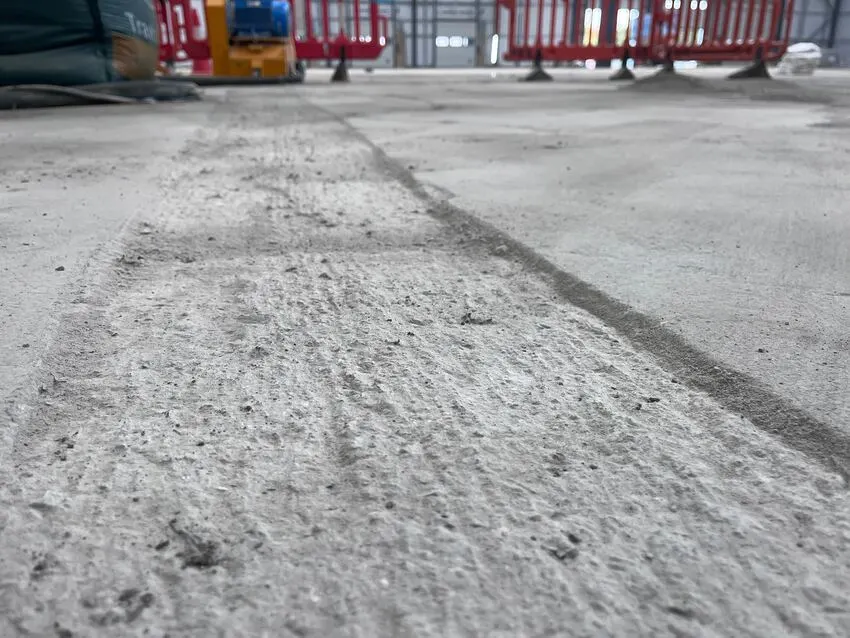
Uneven floors—ever dealt with them? In warehouses, factories, or even offices, they’re more than just an eyesore. They trip people up (literally), slow operations, and rack up costs. But why do they happen?
Shifting foundations? Heavy equipment? Fixing them isn’t just about aesthetics; it’s about safety and efficiency. So, what are the best uneven floor solutions? Let’s explore.
What is an Uneven Floor?
An uneven floor—sagging, sloping, or buckling—is more common than you think. Picture walking through an older warehouse. Maybe the weight of machines took its toll, or time simply had its way. Floors shift, materials weaken, and suddenly, it’s not so level anymore.
Ever notice that subtle tilt beneath your feet? Sometimes, it’s the plywood underneath that’s warped, or the underlayment wasn’t quite right. Maybe the planks aren’t sitting flush, leaving gaps or ridges that make the floor look wavy.
Laminate flooring can also highlight these flaws, with edges that never quite align. So, what are the best uneven floor solutions? Will you need a new floor?
Luckily, no. In most cases, there are ways to fix uneven floor surfaces,
How do you fix an uneven floor like this? Some turn to screed, pouring it out to smooth the surface. Others peel things back to assess and start over. Either way, those imperfections remind you—floors, like everything, need a solid foundation.
Causes of Uneven Floors in Industrial and Commercial Spaces
Foundation Problems
The foundation is the backbone of any commercial property, and the key-factor for uneven floor solutions. But what happens when the ground beneath isn’t properly compacted or too much weight is unevenly distributed? Shifting starts. Floors turn uneven. Think of it like a wobbly table at a restaurant—annoying, right? The same applies here, especially in larger spaces where loads aren’t balanced across the floor.
Moisture Damage
Water can be sneaky. Whether it’s a slow drip from a pipe, constant humidity, or a full-on flood, excess moisture weakens flooring fast. Concrete expands, contracts, and eventually cracks under pressure. Have you ever seen a sidewalk with cracks from freezing water? Now imagine that in a warehouse—water seepage can wreak havoc on subfloors and surfaces alike.
Improper Installation
Installation mistakes often come back to haunt you. Skipping proper prep or using the wrong materials leads to long-term problems. A poorly laid tile floor can shift, much like a rug that bunches up from constant foot traffic. The same goes for industrial flooring—it has to handle heavy machinery, temperature swings, and daily wear without giving in.
Structural Support Issues
Support beams and joists bear the brunt of every vibration, weight shift, and environmental factor. Over time, they can weaken or fall out of alignment. It’s like the legs of a chair—all it takes is one to feel wobbly, and the whole thing feels unstable. When these supports fail, sagging or uneven floors become inevitable.
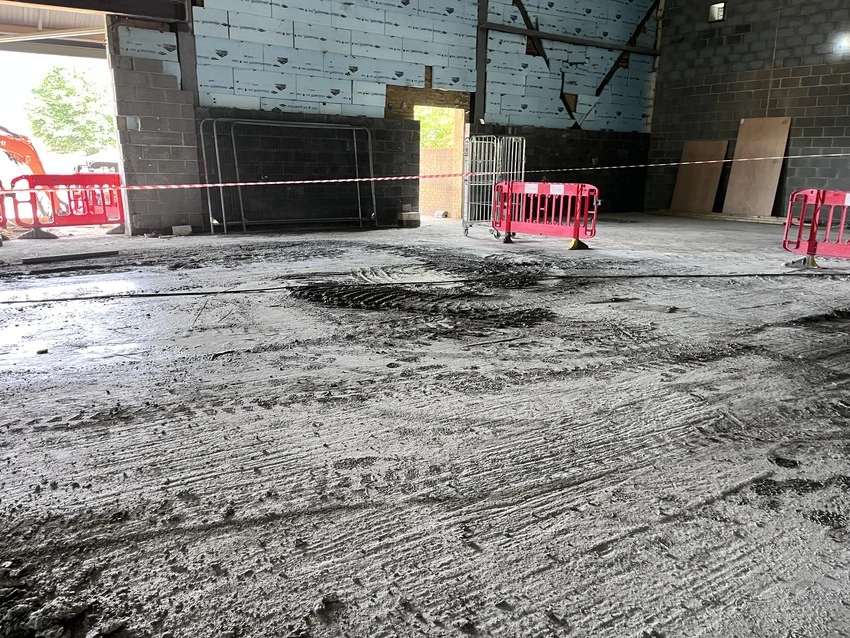
How Uneven Flooring Affects Business Operations
Employee Safety Risks
Uneven floors might seem like a small issue—until they’re not. Slips, trips, and falls can happen in seconds, but the aftermath lasts much longer. Think about an industrial setting: one misstep could lead to serious injuries, downtime, or even lawsuits. Is saving on flooring maintenance worth that risk?
Equipment and Machinery Disruptions
Precision machinery doesn’t do well on shaky ground. Uneven floors can throw equipment out of alignment, reducing efficiency and increasing breakdowns. Imagine forklifts struggling to navigate bumpy surfaces, slowing down operations. Frustrating, isn’t it? A seemingly minor flaw like an uneven floor can ripple through your entire workflow.
Compliance Issues
Regulations exist for a reason, and uneven floors don’t make the cut. Building codes demand safe, accessible spaces. Non-compliance isn’t just an inconvenience; it can mean steep fines or legal trouble. Why risk it when addressing flooring issues could save you from costly headaches down the line?
Reduced Productivity and Employee Fatigue
Standing or walking on uneven floors? That’s tiring—literally. It wears down your employees, leading to discomfort and low morale. Imagine working a full shift on bad flooring—it’s like wearing shoes that don’t fit. Over time, this impacts productivity. And happy, comfortable employees? They’re the heartbeat of any successful operation.
Methods to Fix Uneven Floors in Industrial and Commercial Spaces
Concrete Grinding
Concrete floors aren’t always perfect—small, uneven spots can happen. But what if those high points could be smoothed out? Grinding tackles these imperfections, levelling surfaces for heavy machinery. Think of it like sanding a rough table—essential for warehouses or factories needing a solid, flat foundation.
Self Levelling Compounds
Self-leveling compounds might just be the best solution for fixing minor to moderate flooring imperfections. Uneven floors? Gaps or dips? These compounds can help. They’re poured over the existing surface, spreading out evenly and hardening into a smooth, level finish.
Need a second layer for extra durability? No problem—this method allows for layering to handle tougher irregularities. Plus, it works with nearly any type of flooring, making it a versatile choice for commercial spaces like offices, showrooms, or retail stores. Why settle for less when you can have a flawless foundation with some smart uneven floor solutions?
How to Apply a Self-Levelling Compound
- Clear the floor. Dust, dirt—gone. Ever tried painting on a dirty canvas? Same idea.
- Check for primer need. Some compounds cling better with it.
- Mix it right. Follow instructions—no shortcuts.
- Pour and spread. Ever frosted a cake? Similar vibes, just smoother.
- Patience wins. Let it cure fully before walking or working on it.
Reinforcing Support Beams and Joists
When a building shows its flaws—like sagging floors or creaky beams—it’s time to step in. Think of it like fixing a wobbly table: small adjustments make a big difference.
- Check beneath the surface. Spot weak beams or cracks.
- Add reinforcements—steel brackets or wood blocks work wonders.
- Gently lift sagging spots with hydraulic jacks. Then, secure everything.
Replacing Damaged Flooring
Sometimes, replacing damaged flooring is just unavoidable. Think of it like fixing a car—patching only works for so long. Here’s what to do:
- Carefully remove old materials (no rushing, or you’ll regret it).
- Check the subfloor. Is it level? If not, fix it.
- Pick tough materials like polished concrete or industrial vinyl—built to handle heavy use.
Professional Floor Repair Services
If the issue is serious, calling in flooring pros or a structural engineer might be your safest bet. They’ll pinpoint the cause, suggest fixes, and ensure everything aligns with industry standards, providing a multitude of uneven floor solutions.
Choosing the Right Flooring System for Your Commercial or Industrial Space
Matching Flooring to Business Needs
- Heavy Machinery & High Traffic Areas: Think reinforced concrete or epoxy coatings—rugged and reliable. Polyurethane screed and Concria Optimal Slab are extremely hard wearing.
- Retail & Office Spaces: LVT or carpet tiles feel inviting, sure. But resin comfort floor or microcement are stunning alternatives.
- Moisture-Prone Areas: Resin flooring is perfect for these scenarios, MMA, PU Screed, Rubber crumb and Resin bound stone are all excellent solutions.
Cost Considerations
- Durable flooring might cost more upfront, but think about the trade-off: fewer repairs and lower maintenance down the road. Isn’t that worth considering?
- When choosing flooring, don’t just look at the price tag. What about future repairs or replacements? It all adds up.
Compliance & Safety Standards
- Does your flooring meet safety regulations? It’s worth double-checking. Workplace safety often hinges on details like these.
- Think about wet floors or busy hallways. Slip resistant materials can make all the difference—why risk unnecessary accidents?
Don’t Let Uneven Floors Disrupt Your Operations!
Uneven flooring causing problems? Whether it’s uneven concrete or subtle imperfections, these issues can affect safety, productivity, and workflow. At DC Flooring we offer professional uneven floor solutions as we specialise in floor leveling and fixing uneven surfaces to ensure your floor is flat and reliable. From minor repairs to full replacements, we deliver the best flooring solutions tailored to your needs. Don’t let an uneven surface slow you down—our experts are here to help.
So, contact us, or our team at DC Flooring today, and get your floors back in top condition with our uneven floor solutions
FAQs
How much does commercial foundation repair cost?
Fixing foundation issues? It’s not one-size-fits-all. Costs can range from £5,000 to £20,000+, depending on the problem. Waiting too long? That crack could snowball into a major headache. Catch it early—it’s like fixing a leaky faucet before it floods.
How do I diagnose an uneven floor in a commercial property?
Spot the obvious: Cracks, dips, or uneven floors? Something’s off. Test it: A simple spirit level or laser can reveal hidden trouble spots. Notice the clues: Sticky doors or shaky machines? They might be pointing at floor issues. Call an expert: Big problems? Don’t guess—get a pro.

- Abrasion Resistance: Why It’s Critical for Industrial Floors? - November 11, 2025
- The Heel Drop Test: A Fast and Simple Way to Detect Delamination - October 30, 2025
- How a Cover Meter Survey Protects Reinforcement Integrity? - October 28, 2025