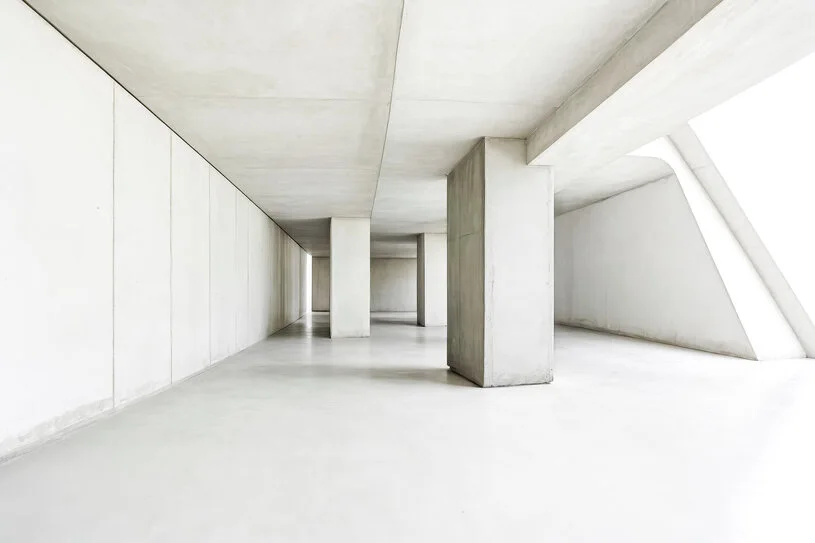
Your flooring choice greatly affects the look and feel of your custom facility. Concrete vs hardwood floors are both a popular options. Each has pros and cons. This post will outline the benefits and drawbacks of each to help you decide.
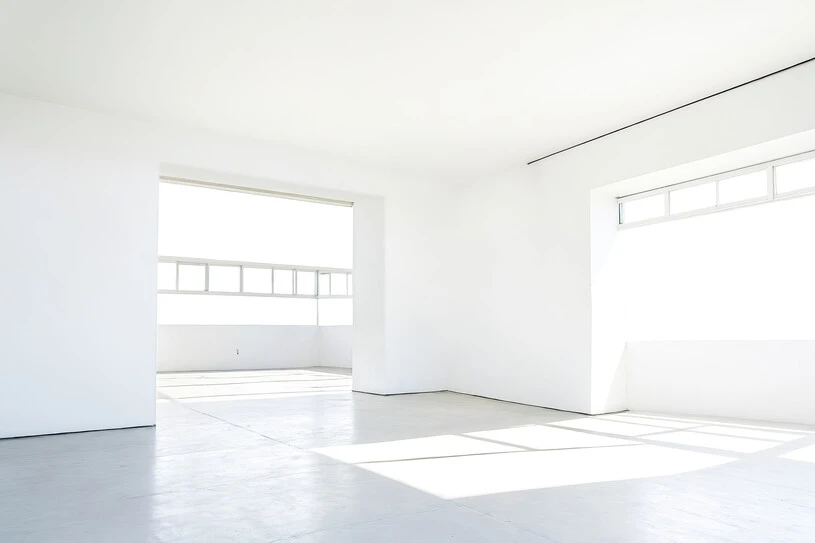
Concrete Floors
Concrete flooring in commercial areas is an option that adds value due to its durability and affordability. It allows you to customise and give a unique touch to your facility.
Pros
Concrete is strong and durable
Concrete is used for sidewalks, roads, and construction. It resists damage well, making it ideal for high-traffic areas in your home.
Low Maintenance
Concrete floors require minimal upkeep once installed. Cleaning sealed concrete surfaces is simple and easy. Just mop the dirty areas or use a scrubber dryer, and you’re done.
When sealed and finished properly, concrete is also stain-resistant. A few strokes of a mop with a quality eco-friendly detergent or floor cleaner will keep your floor looking new.
Customisation Options
Concrete floors allow many customisation options. You can use stains and dyes to get the look you want.
Heated Floors
If you are building a custom facility adding concrete flooring, think about installing a radiant heating system. It will keep your floors warm during cold days. This is especially useful in areas with winter temperatures that drop into the single digits.
Eco-Friendly and Energy-Efficient
Concrete floors are eco-friendly and energy-efficient. They are durable and have good insulation. This city experiences significant temperature changes throughout the year.
Affordable
Concrete floors can cost less than hardwood. Prices vary massively depending on the specification, finish and pattern complexity.
Adds Value to Your Property
Properly executed concrete flooring can improve a properties look and value. Many realtors like properties with concrete floors because they think these floors increase the facilities value.
Cons
Concrete Floors Can Crack
Concrete floors can crack if there is structural movement below the concrete. Even professional installation can’t eliminate the risk of cracking over time unless the foundation is extremely stable.
Hardwood Flooring
Hardwood flooring has been around for centuries, symbolising luxury and class. Like concrete floors, hardwood floors have pros and cons.
Pros
Timeless and Classic Look
Hardwood flooring is popular for its timeless look and classic appeal. It adds luxury to any decor. Due to its cost, users choose this flooring to give a high-end touch to their projects.
Improves Your Resale Value
Hardwood flooring is a premium option that increases resale value.
Plenty of Design and Customization Options Available
Hardwood flooring comes in many options. You can easily find a style that fits your needs and requirements.
Heated Floors
You can add radiant heating to your wood floors to keep them warm on cold days.
Blends with All Types of Interiors
One big benefit of installing hardwood flooring is its ability to match your decor. Whether your style is contemporary or vintage, the right hardwood flooring can improve your look.
Cons
It’s Expensive
Hardwood flooring can cost more than concrete or other flooring types. Prices change based on wood quality. If your budget is tight, this may not be the best choice.
High Maintenance
Hardwood flooring requires regular maintenance. You need to care for it often, and a carpenter may need to fix it occasionally to keep its form and shine.
Not Eco-Friendly
Hardwood flooring is made from trees and is less eco-friendly than concrete. Therefore, it may not be the best choice if your goal is to lower your carbon footprint.
Hard to Install
Installing hardwood flooring is challenging. You need nails, glue, labour, and tools to get the job done. The costs are also quite high.
Not Easy to Clean
Unlike concrete, which you can clean with a mop and vacuum, hardwood flooring requires special care. Use specialised cleaning products.
Avoid using too much water, as it can cause moisture damage and ruin the finish, reducing the floor’s lifespan.
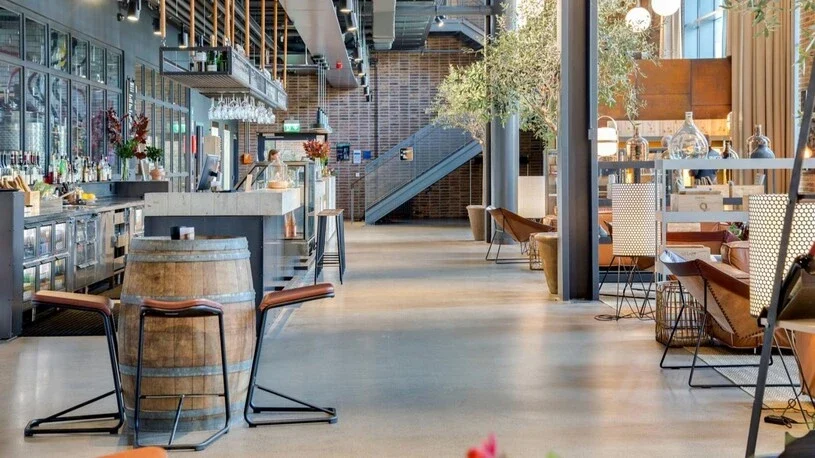
Wood Floors or Concrete Floors
Decorative concrete provides excellent quality flooring for your money. Here are the reasons why:
Creative Options
People often miss the importance of “decorative” in decorative concrete floors. Modern technology makes anything possible, including the classic look of hardwood.
Pick the stone, colour, and finish for your concrete flooring. Your imagination is the only limit.
While hardwood options like maple and bamboo are available, decorative concrete offers even more choices. You can achieve the look of raw hardwood or mimic stone at a lower cost. This is done by adding dyes and pigments before revealing the decorative elements.
Versatile Application
Hardwood floors are not ideal for places with high moisture, like kitchens, laundry rooms, and mudrooms. Decorative concrete is suitable the majority of applications.
Comfort
The hardness of concrete may make people think it’s an uncomfortable flooring material. Hardwood has the same issue.
Concrete floors can be a bit cold, similar to natural stone or ceramic tile. You can warm them with radiant heating elements or clever home design.
Maximising sunlight through windows, especially in winter, helps your concrete floors absorb and radiate heat indoors.
Cooling Properties
Many facilities struggle with the sweltering heat. Building plans often focus on keeping areas cool. Running your air conditioner at full blast is one option, but using decorative concrete is a more energy-efficient way to stay comfortable in the summer.
Concrete stays cool even after hours in the sun. It retains and releases heat slowly, so you don’t burn your feet. This quality makes concrete floors popular in passive solar designs.
Health Benefits
Many customers are surprised to learn that decorative concrete floors offer health benefits. The sealed surface does not collect allergens, dust mites, or bacteria like porous surfaces or carpets. These floors resist moisture, preventing mould and mildew from contaminating your facility.
Concrete flooring can improve indoor air quality, reducing respiratory infections, immune system issues, and headaches, especially if you have mould problems.
It also stops air-blown dust, particularly when combined with radiant in-floor heating. Concrete, being inorganic, does not support toxic mould growth.
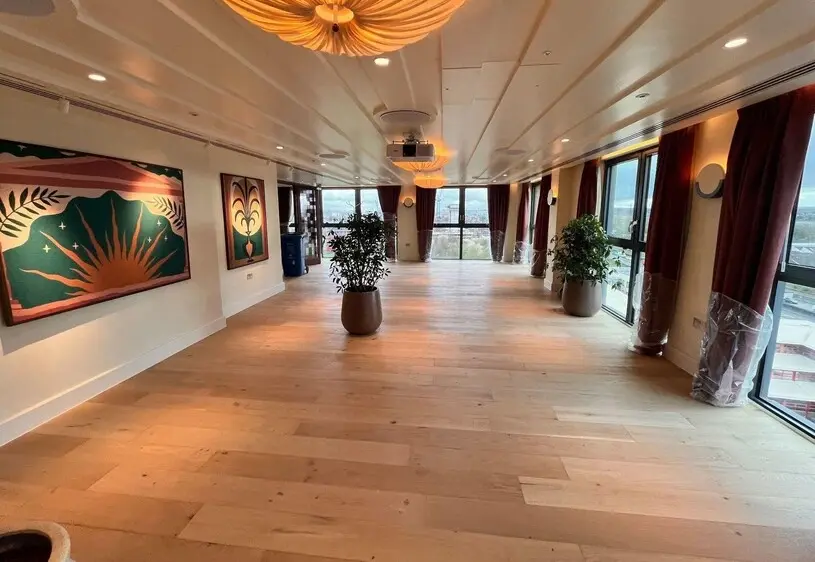
Safety
Slips are a common issue in the workplace. Concrete can be slippery when wet, just like hardwood floors. This problem can be solved easily.
The installer can use a non-skid additive in the sealer or apply fewer layers if there are no additives. Over sealing also causes slipperiness, so use a sealer sparingly.
Durability and Longevity
Hardwood floors are durable but can be easily damaged due to their softness. They are not ideal for high-traffic areas. With proper care, concrete floors can last up to 100 years.
Concrete is tough and resistant to scratches, even dirt or sand on shoes. It’s difficult to damage it, and spills are easy to clean since they don’t penetrate or stain easily.
This durability is achieved with correct mixing, installation, and maintenance. Applying strong polymer sealers is crucial to protect the floors from UV damage and fading, ensuring they stay sturdy for years.
Simple Maintenance
Hardwood floors need a lot of upkeep. Special cleaners, regular stripping and refinishing, and occasional wood repairs are necessary.
They can splinter, crack, and fade, especially outdoors. The sealer also enhances colour and shine.
Decorative concrete requires less care:
- For outdoor surfaces, use a hose to wash away dirt or debris.
- Indoors, clean with a damp mop regularly and sweep daily to remove debris.
- Occasionally, use a pH-neutral cleaner with water for deep cleaning.
- Apply a thin coat of floor sealer in high-traffic areas for extra protection.
- Seal the concrete floor to protect it from stains, moisture, and scuffs.
Repairs might be needed for cracks or other issues. Patch the area with the same pattern or create a new design. A micro-topping or overlay can also be used.
Concrete floors are durable and maintain their structural integrity regardless of wear and tear.
There are many good reasons to choose decorative concrete for your next flooring project. Aesthetics are important for all remodelling projects. Durability, maintenance, versatility, cost, and sustainability also play key roles in choosing flooring.
You Don’t Know Which Flooring Option to Choose? Call Our Team of Professionals to Help You
Our team can help you pick the right flooring. We offer free consultations to understand your needs. Based on your preferences and lifestyle, we will suggest the best options. Our experts are here to assist you every step. Schedule a consultation today to begin your flooring project.
FAQs
Can hardwood floors be stained?
Staining hardwood adds warmth and depth to the floor, improving the areas look. However, improper handling can cause issues. It’s important to know the pros and cons before staining.
What is the lifespan of hardwood floors?
Hardwood flooring is very durable. With proper care, it can last up to 100 years.
How often should hardwood be replaced by the homeowner?
The finish on hardwood floors usually lasts 7-10 years with regular use. However, high-traffic areas or floors exposed to sunlight may need more frequent refinishing. If refinished every ten years, hardwood floors can last up to 100 years.
Does hardwood flooring material scratch easily?
The likelihood of wood flooring scratching depends on several factors, including the type of wood, its finish, and the hardwood species. Because of its natural durability, choosing high-quality wood can reduce the concern of scratching.
Does concrete slabs scratch easily?
Stained and sealed concrete floors are both beautiful and durable. However, they are not invincible. They can get scratched, become dull, and wear out without proper care. This wear happens more quickly if the seal is not applied correctly.

- Know your warehouse floor: was it built to FM or SR, and does that still matter? - October 21, 2026
- Concrete floor grinding: four machines, four different jobs, and the one your floor probably does not need - October 15, 2026
- Resin flooring: Epoxy, PU or MMA, and why the system you pick is not what decides how long it lasts - October 14, 2026