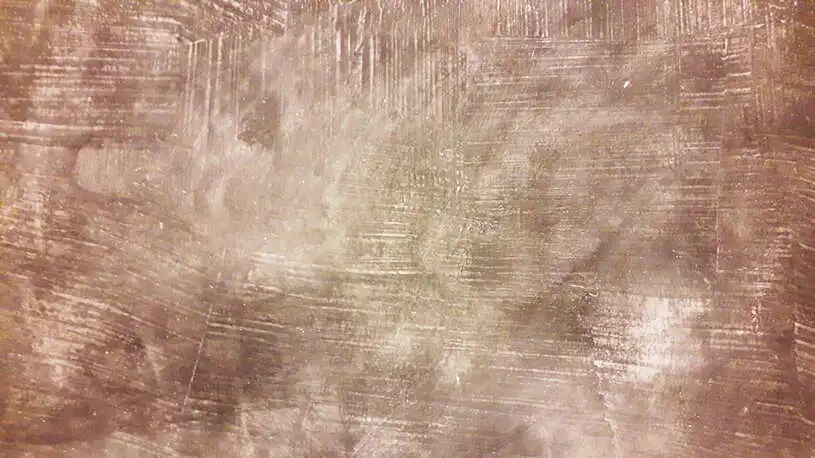
If you’re considering a new external area for your facility, you’ll see many paving choices. This post will outline some concrete styling options, and that will be brushed concrete.
What Is Brush Finish Concrete?
Brushed concrete is a finish for poured concrete. After pouring, a stiff-bristled broom brushes the surface, creating a rough texture. This type of concrete is also very affordable, making it a budget-friendly choice.
Benefits of a Brushed Concrete Finish
Broom finishes are crucial for safety and aesthetics in concrete construction. Below are some of the most important benefits of broom finishes, including slip resistance and cost-effectiveness.
- Rough surface texture reduces the risk of slipping walkways, improving safety. One of the primary reasons for using a broom finishing is its ability to increase slip resistance. By creating a textured surface, this finish improves the friction between footwear and the concrete, significantly reducing the risk of slipping and falling. This benefit is important when the cover is wet or contaminated, making this type of finish an excellent choice for areas prone to moisture.
- Costs less to install than stamped concrete. Broom finishes are more budget-friendly than decorative ones. Achieving this finish is easy, requiring only a broom or brush on fresh concrete. This method reduces the need for extra materials or specialised tools. Contractors and property owners save money without sacrificing safety or style.
- Flexibility to create different floor patterns. Brushed concrete allows for unique floor patterns. Using different brush sizes can create distinct textures. Contractors can control the depth of the grooves. This method offers creative freedom in design. Simple tools like a broom can achieve customised looks. Homeowners can match their style preferences with ease.
- Improves drainage by increasing water run-off. Brushed concrete has small grooves that direct water flow. These grooves help water move off the surface quickly. Faster water run-off reduces puddles and prevents pooling. This feature is ideal for car parks and walkways. Effective drainage keeps surfaces dry and safe.
- Ideal use. Brushed concrete is a popular choice for car parks, walkways, staircases, and external areas. Its rough texture adds traction, making it excellent for wet areas like patios near swimming pools. This extra traction helps prevent slips and falls.
- Maintenance and lifespan. Brushed concrete needs little upkeep. It often lasts 30-40 years.
Best Places to Use a Brushed Concrete Finish
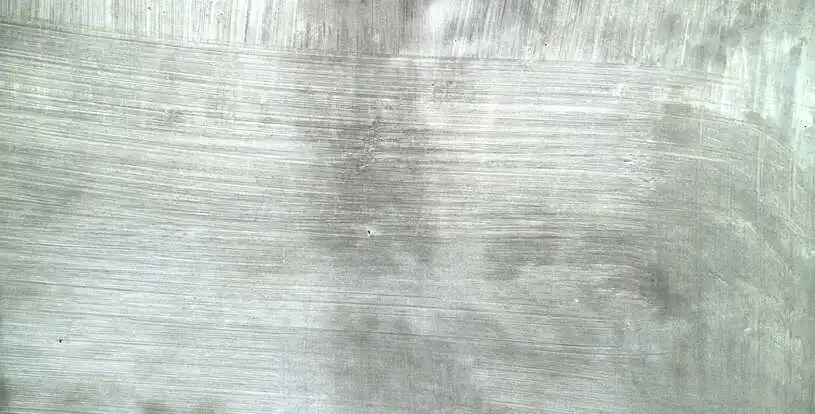
Brushed concrete finishes are ideal for outdoor areas with moderate foot and vehicle traffic, like walkways, exercise yards, farmyards, and airports. They offer an attractive look and good grip when wet.
The grooves in brushed concrete are shallow (1.5-3mm), making them prone to wear under heavy traffic. A tamped concrete finish is a better choice for areas with frequent heavy vehicular traffic.
Ways to Achieve a Brush Finish
1.Laying concrete for the flooring
Pour the concrete mixture onto the prepared base. Spread it evenly to cover the entire area. Use a rake or shovel to distribute the concrete.
Level the surface with a straight edge or screed. Smooth the concrete before moving to the next step. Let it settle slightly before creating the brushed finish.
2. Smoothing the Surface
Once the concrete has settled a bit, use a magnesium or wood float to smooth the surface. This tool brings the fine concrete material to the top. Move the float across the concrete in long, sweeping motions.
Ensure all areas are evenly smoothed out for the brushing process. The goal is to create a flat and consistent level before applying the brush finish.
3. Judging when to brush the surface of the concrete
Timing is key for a perfect brush finish. Start brushing when the concrete is firm enough to hold the texture but still workable. Lightly press a finger on the surface; it should leave a slight mark without sinking.
If the concrete smears, it is too wet. Wait until it is no longer sticky but not fully set. This window is short, so monitor it closely. Brushing too early can ruin the finish, and waiting too long makes texturing difficult.
4. Think about the texture you want
Choose your preferred finish. Select the brush size. Large brushes make broad, smooth lines. Small brushes make fine, detailed textures.
Control texture depth with pressure. A light touch makes shallow grooves. Pressing harder creates deeper lines. Decide the best look for your project.
5. Pulling the brush across the level concrete
Firmly pull the brush across the smoothed concrete surface. Keep a steady hand for consistent strokes. Move in one direction for uniformity.
Begin at the far edge and work towards yourself. Overlap each stroke slightly to avoid gaps. Apply even pressure for a consistent texture. Finish this step quickly before the concrete sets.
When Should You Consider to Apply a Brushed Finish?
You Have a Surface That Will Get Wet
Brushed concrete is perfect for wet areas. The grooves channel water away, reducing puddles and slips. It’s great for external industrial and commercial areas and works well for driveways and walkways. The texture offers extra grip, making surfaces safer.
You Will be Using Vehicles on the Surface
A brushed finish boosts durability for high-traffic areas. The texture reduces wear and tear over time, making it a smart choice for car parks. A brushed finish also improves safety.
The added grip helps prevent slips and falls. It’s effective for sloped surfaces, too. Brushed finishes need minimal maintenance. They stay in good shape with basic care. Regular cleaning and resealing keep the concrete looking good.
You Want a Rough Textured Look
A brushed concrete finish gives a rugged look. The texture hides small flaws and adds visual interest. This finish is great for outdoor areas.
It is both functional and attractive. It fits well with rustic designs and can also suit modern settings. Easy to apply, it is a popular choice for a durable and appealing surface.
You Want a Brush Type of Concrete Finish? Contact Us and Our Professional Concrete Contractors Will Help You
Need a brushed concrete finish? DC Flooring can help. Our skilled contractors deliver excellent results for driveways, patios, and walkways. We ensure your surfaces look great and are safe. Trust us to complete the job on time. Contact DC Flooring today for a consultation and quote.
FAQs
How do you clean brushed concrete?
Cleaning brushed concrete is easy. Sweep away loose debris. Rinse the surface thoroughly with a hose. For tough stains, mix water with mild detergent.
Scrub with a stiff brush. Rinse to remove soap residue. Regular cleaning keeps the surface looking good and maintains traction. Avoid harsh chemicals to prevent damage.
Can you colour brushed concrete?
Yes, you can colour brushed concrete. Use concrete stains or integral pigments. Apply stains after the concrete sets.
Mix pigments into the wet concrete to colour the material. Choose from a range of colours. Seal the finish to maintain the colour.
Can you sand brushed concrete?
Yes, you can sand-brushed concrete. Use coarse-grit sandpaper first. Switch to finer grits for a smooth finish. Sanding removes imperfections.
It prepares the surface for sealing or staining. Always wear safety gear to protect from dust.

- Know your warehouse floor: was it built to FM or SR, and does that still matter? - October 21, 2026
- Concrete floor grinding: four machines, four different jobs, and the one your floor probably does not need - October 15, 2026
- Resin flooring: Epoxy, PU or MMA, and why the system you pick is not what decides how long it lasts - October 14, 2026