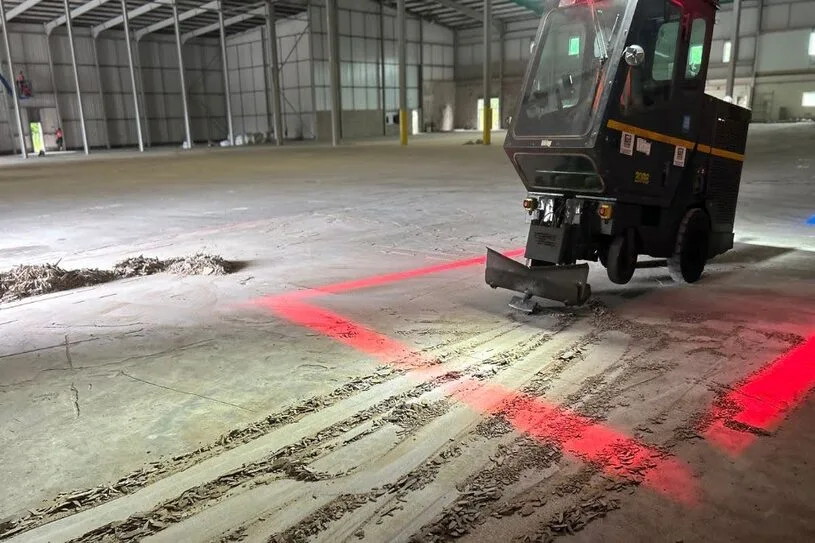
Delamination of concrete can cause massive challenges for any business or public building that uses concrete floor slabs. When it strikes, the top layer of the concrete floor starts to peel, forming a weakened area that threatens safety and strength. This is more than a simple crack; it’s a break between layers that creates a void underneath. Knowing how to spot delaminated sections early helps reduce repair costs, and contacting DC Flooring ensures your problems won’t turn into massive disruptions.
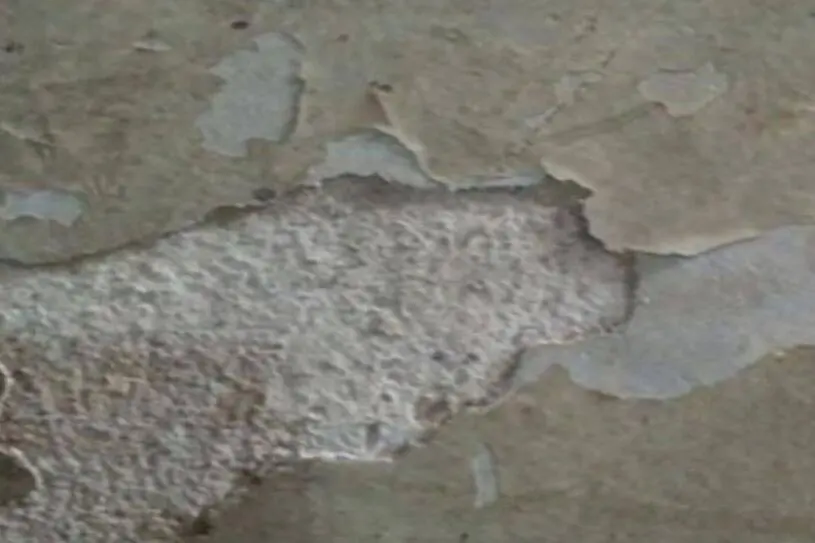
What Is Delamination in Concrete Floors?
Delamination in concrete floors happens when the top surface detaches and pulls away from the rest of the slab. This separation forms a void that reduces strength, especially in high-traffic or busy locations like warehouses or retail sites. When fresh concrete is poured, any trapped water or air can cause this bond to fail, leading the surface to break away. Spotting a delaminated area quickly stops water or air from getting inside, fighting off cracks and decay.
Why Delamination is a Serious Issue in Industrial and Commercial Flooring?
Delamination is much more serious in busy commercial settings because floor damage affects both safety and day-to-day business. Moisture enters through weakened zones, risking structural failure and ruined stock. Vehicle and staff accidents could happen when delaminated sections collapse unexpectedly. Ignoring the risk of delamination leads to rising repair service costs and even business closure for extensive repairs. It’s always smarter to repair issues early; quicker action means fewer interruptions, less expense, and safer conditions.
Signs of Delamination in Concrete
Spotting delamination early is key to avoiding long disruptions or high repair bills. Tapping your floor with a tool can show hollow sounds, while cracks spreading from the surface are clues too. Look for moisture stains, blisters, or blotches that don’t match the rest of the concrete slab. A delaminated area may also feel softer underfoot. Regular checks help catch delamination before it becomes visible, saving your floor from needing more invasive repairs later.
- Hollow Sound and Cracks: Listen for a hollow sound when you tap or use a chain drag on the concrete. This unique sound means there is a void, often marking where delamination may be present. Look closely around these spots for thin cracks radiating outward from the delaminated area. The severity of the delamination often matches the number of cracks and the size of each hollow-sounding patch. Take action straight away to prevent the floor from becoming a big safety issue.
- Blisters and Texture Changes: Raised blisters or soft, bumpy spots that appear after finishing operations tell you something’s wrong under the surface. This often means air content was too high, or that the concrete was finished prematurely. You might feel that these patches are more fragile, even slightly springy or rough. If you notice a change in texture or see odd reflections from the surface mortar, don’t ignore them. These visible changes are warnings that your floor may not be fully bonded or safe.
- Visual Discoloration and Moisture Stains: When water doesn’t evaporate evenly, moisture stains and odd colours appear on concrete floors, creating visible clues. Delaminated sections often look patchy or show white lines where minerals collect because of high evaporation. These stains signal the floor’s protective layer has been breached, with water or air entering and breaking the bond. Keep an eye on these signs, especially after heavy rain or in damp areas, because quick attention limits long-term damage.
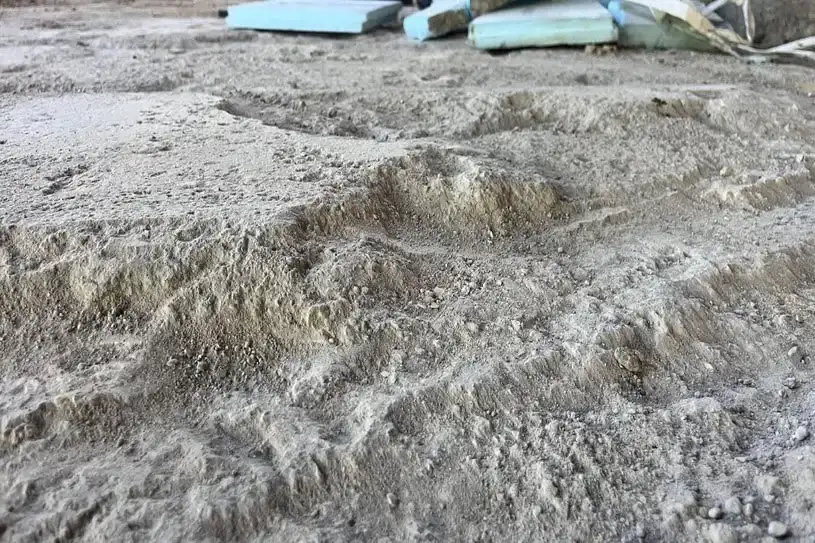
Common Causes of Delamination in Concrete Surfaces
Delamination may come from problems during concrete placement, like using too much water or poor timing when finishing. When finishing operations are done before trapped air or bleed water escapes, a bond doesn’t form correctly and the surface can become delaminated. Using improper cement, the wrong aggregate, or letting the slab experience wild temperature swings during curing increases risks. Understanding all the causes helps prevent future delaminated areas and keeps repairs from being needed again and again.
- Bleed Water and Entrapped Air: Bleed water rises to the top of fresh concrete, but if it gets trapped underneath the surface, it creates weakened sections prone to delamination. Entrapped air also contributes to this issue, as it gets locked under the surface layer and interrupts the bond. The slab’s air content must be controlled properly, or you get hidden voids and a delaminated area. Always make sure concrete finishing takes place after the bleed water escapes.
- Improper Finishing Practices: Working too fast causes many delamination problems in concrete. When finishing operations start before the surface is ready, extra water or air becomes trapped. Overworking the floor spreads a weak, densified surface mortar. If workers rush to make the job look neat, this can hide trouble underneath. Sticking to professional guidelines and careful timing helps every layer bond together, stopping the surface from pulling away after use.
- Mix Design and Environmental Factors: If the concrete mix has too much water, not enough cement, or uses low-quality aggregate, the risk of a delaminated area grows. Temperature and humidity swings during curing, especially high evaporation or sudden rain, also cause surface layers to break away. The time of concrete placement makes a difference – wrong timing means a greater chance for delamination. Following good mix and curing practices keeps your slab tough and bonded.
3 Concrete Delamination Repair Solutions
To fix delamination, choose a repair method that suits the level of damage and addresses the root cause. Light delamination may need small repairs, but serious damage could require resurfacing. Getting a professional opinion ensures the right steps are taken. DC Flooring’s repair services will pick the method that repairs all affected zones, so you can trust the slab to hold up for years after.
1. Surface Preparation and Removal
Always prepare the surface before repair by removing all the delaminated areas. Workers would grind down to clean and fresh concrete so there’s a stable base. Roughen the substrate for better adhesion to the repair mortar. Skipping prep leaves weak spots behind. Surface cleaning and removal are key to making sure repairs last, sealing the bond and stopping new damage from forming.
2. Epoxy Injection and Mortar Repairs
If delaminated sections are small, epoxy injection fills the void and glues layers back together. For bigger repairs or if the slab is broken up, use special repair mortar or cementitious products. Both need careful application for best results. The right solution depends on the type of damage and the floor’s use. Pick a method that keeps the bond tight and prevents the surface from splitting again.
3. Resurfacing and Overlays
For widespread delamination, resurfacing makes sense. This involves placing a new layer of cementitious material right over the prepared surface. It restores the look and strength of the floor, protecting it from more damage. Overlays cover up large delaminated sections and help lessen the risk of delamination returning. Ask DC Flooring about repair services for big jobs or floors that need a strong, fresh start.
Expert Tips on How to Prevent Delamination
Prevention matters most because it is easier and cheaper to avoid delaminated areas than to fix them later. Follow proper timing and best practices during construction. Pick the right mix, avoid excess water or air, and focus on quality. Always cure the slab at the right rate, beat the risk of delamination, and seek advice if there’s any doubt. Take small steps now to save big costs later.
- Correct Timing of Finishing: Timing is everything when it comes to finishing concrete. Wait for all the bleed water to go before grinding or using finishing tools. Finishing too soon or too late leads to weak spots or delaminated sections. Not sure when it’s ready? Call in an expert or ask a veteran in the field – even a few minutes can make a huge difference between a strong surface and future repairs.
- Controlling Air and Moisture: Check the concrete’s air content and keep an eye out for poor drying weather. Curing in hot, cold, or windy weather drives water or air out prematurely and creates the risk of delamination. Use covers or tarps as needed to protect the slab. Managing moisture and air during curing gives concrete the best shot at forming a lasting, reliable bond.
- Proper Curing Practices: A slab that is cured properly stays stronger for longer. Cover it with water, sheets of plastic, or special blankets right after finishing. Letting the top layer dry too quickly lets voids or cracks form and weakens the bond with the substrate below. Stick closely to curing schedules and don’t rush-well-cured concrete means fewer repairs later, and less worry about delamination.
Industry Standards and Testing for Floor Integrity
Reliable floors depend on good standards and regular tests before, during, and after installation. Testing for delamination and checking the air content in the mix catches problems early. Proper standards, like BS 8204 compliance or ASTM and EN adhesion and abrasion standards, show that a floor will last under pressure. Quality assurance checks during installation ensure everything is done right. For long-term peace of mind and fewer surprises, follow all these checks.
- BS 8204 compliance means your floors are made to high UK standards.
- ASTM and EN abrasion/adhesion standards require floors to handle wear and keep strong bonds.
- Quality assurance checks during installation help spot weak points and lower the risk of delamination.
Why Hire Flooring Specialists for Concrete Delamination Solutions?
A flooring specialist such as DC Flooring can spot delamination of concrete early and recommend the right repair method, so you don’t risk more trouble or voids from DIY attempts. With their experience, they find the cause of damage, use the best repair mortar, and restore strength more quickly than general workers. Using experts means repairs last longer, safety improves, and you avoid paying for future fixes. For lasting floors, trust the pros.
FAQs
How can I tell if my concrete floor has delamination without breaking it?
Tap the concrete slab or drag a chain across the surface. If you hear a hollow noise or find bumps and odd stains, there might be a void or delaminated area underneath. Visual signs like cracks, texture changes, or blotches help too. If you notice these, bring in a professional to check so you can fix problems before they spread.
How urgent is it to repair delaminated concrete?
Repair is very important and should not wait. Delaminated sections let in water or air, making weak spots get worse over time. The longer you wait, the more damage happens to your floor and the costlier it can be to repair. Fixing early helps reduce dangers, avoid injury, and save money on more repairs later.
Is epoxy injection a permanent solution for delamination?
Epoxy injection works well if the delaminated area is small and the surrounding slab is still solid. It bonds layers together by filling voids, but if there are bigger, deeper problems, other repair methods may be better. Ask a specialist for advice. Always fix the root cause or delamination may come back.
Can weather conditions cause concrete delamination?
Yes, extreme weather like wind, rain, or heat during concrete placing and curing raises delamination risk. High evaporation or rain at the wrong time stops the slab from bonding properly, leading to blisters or a weak surface. Carefully watch conditions and protect your floor to keep it strong and less likely to delaminate.
Can delamination recur after repair if conditions aren’t improved?
If nobody fixes what caused the problem the first time-like bad mixes, poor timing, or wrong repair method, delamination can come back again. Even a great repair needs the root issue sorted to last. That’s why using specialists makes sense: they find and solve these hidden causes.

- Know your warehouse floor: was it built to FM or SR, and does that still matter? - October 21, 2026
- Concrete floor grinding: four machines, four different jobs, and the one your floor probably does not need - October 15, 2026
- Resin flooring: Epoxy, PU or MMA, and why the system you pick is not what decides how long it lasts - October 14, 2026