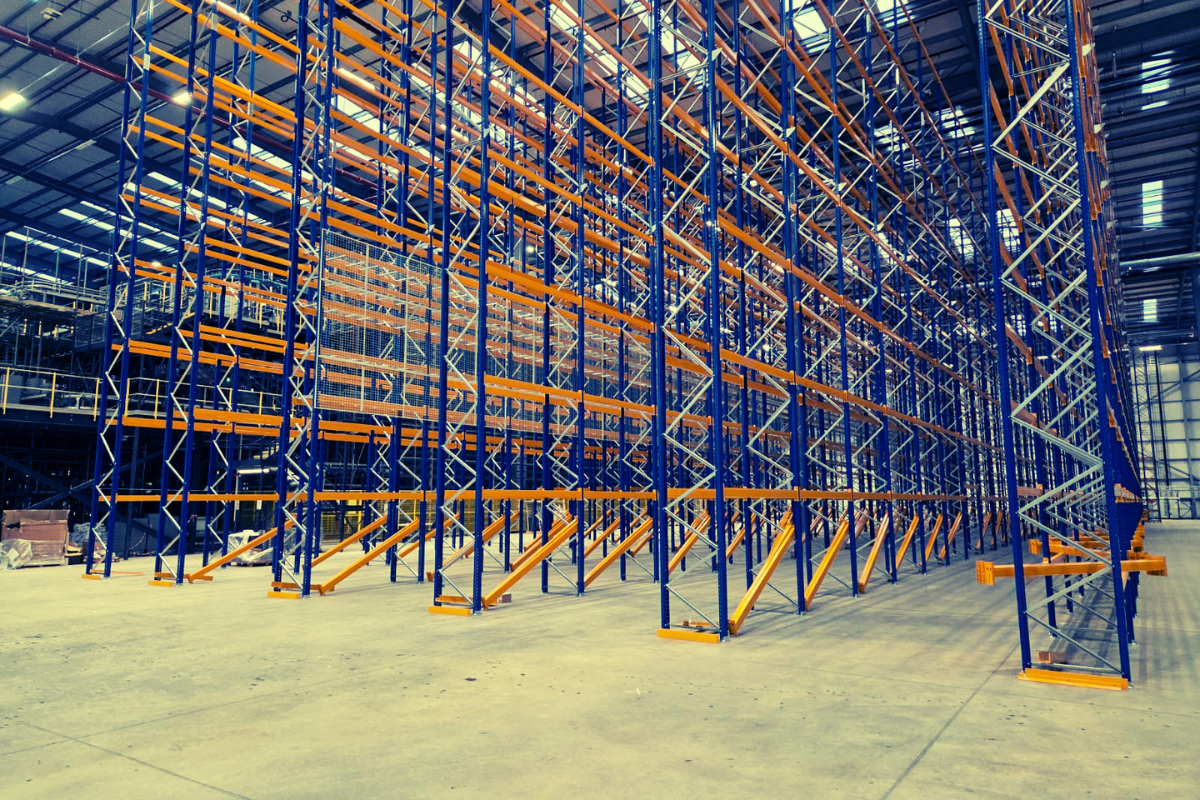
Nobody has looked at the floor under your racking for years. Nobody could. Then January arrives, the reconfiguration is booked, the new layout is drawn, and whatever is under there becomes somebody’s problem inside a week.
What comes back is not one floor. It is two, and a few thousand anchor bolt holes.
And here is the part that catches people out. The worst damage a warehouse floor takes during a reconfiguration is often not done while the racking is standing. It is done in the hour it comes down.
What is actually under there
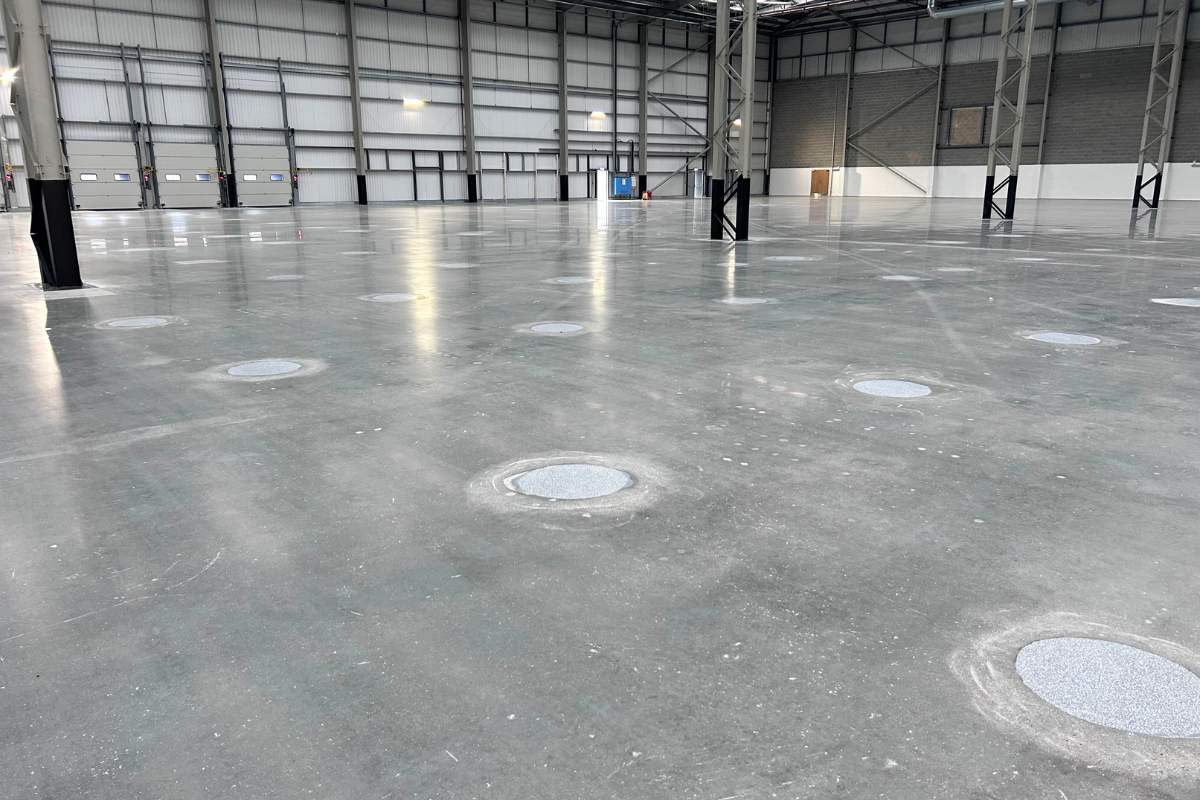
Take the racking out of a warehouse that has had it in place for years and you do not get one floor. You get two.
The aisles are worn, because that is where the traffic has been running. The seal is normally worn off completely down them. Under the racking itself there is very little wear at all, because almost nothing has driven over it.
And across the whole area, bolts. Rows and rows of them, wherever an upright stood.
So the floor you are handed back is a worn surface, an unworn surface, and a few thousand anchor points, and those three things need different work.
The damage happens when the racking comes down
This is the one worth reading twice.
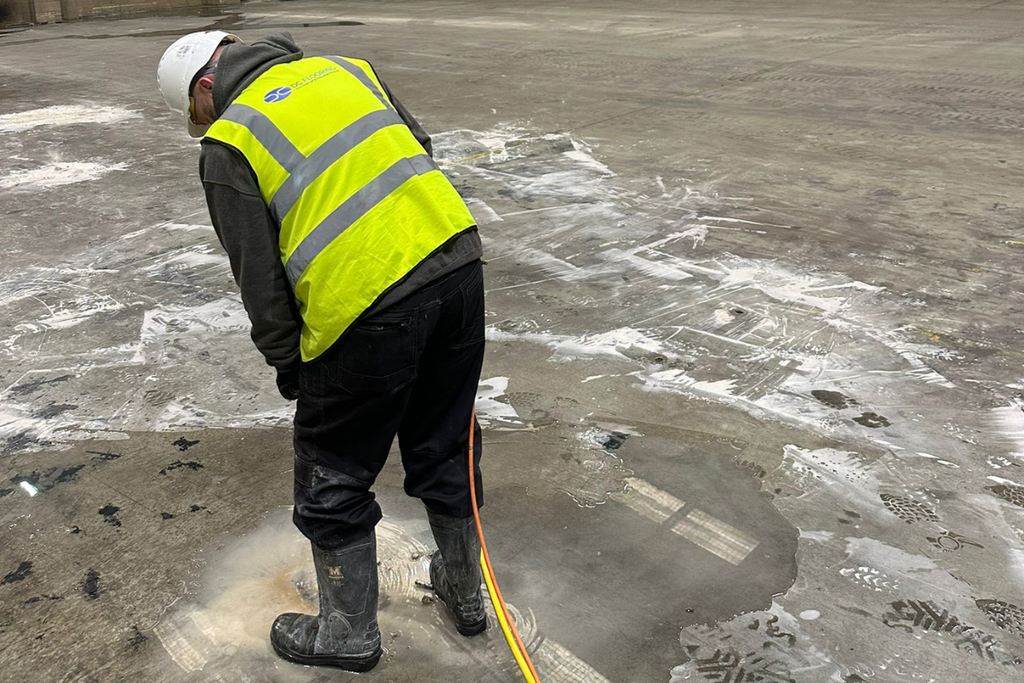
Bolts need to be cut cleanly to allow legs to be removed. The bolts are cut again to be either flush or underneath the substrate surface. This often causes grind gouges.
That is not a worn surface or a tired finish. It is physical damage to the slab, created during removal, on a floor that was fine the day before. And it is discovered after the racking contractor has left, by whoever is standing there deciding what the floor needs.
Nobody budgets for it, because at the point the budget was set the floor did not have holes in it.
Bolt holes: two ways, and they are not the same
What a bolt needs depends on how it was put in to begin with. There are a couple of ways to deal with it.
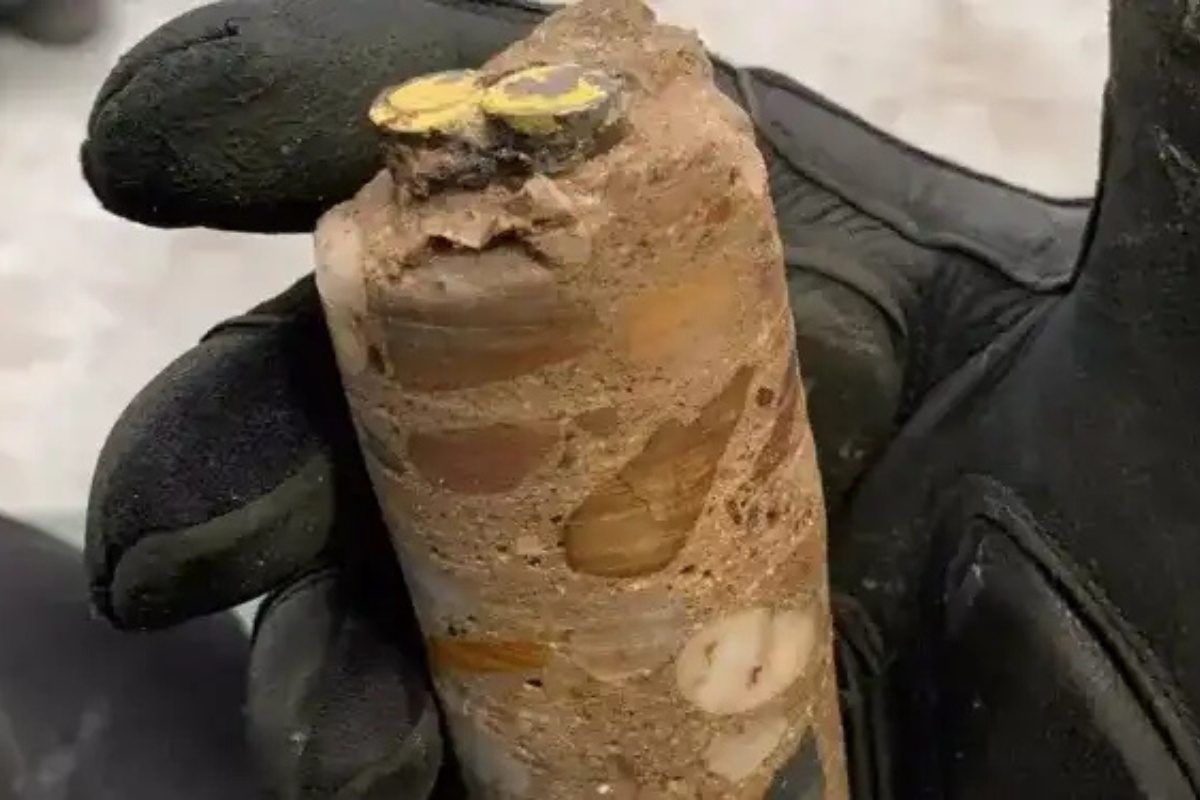
Core drilling is the best way. You core drill around the bolt, take it out, and infill with a high strength resin mortar, or just a high strength mortar. The anchor point is gone and the repair goes down into the slab.
The other way is cutting the bolt off below the surface. That is quicker, and it leaves the majority of the bolt still in the floor. It also means you can only remediate the very top of the slab, because that is as deep as the repair goes.
Both are used. They are not equivalent, and which one was done is worth knowing before anybody prices a finish to go over the top, because a floor full of cut-off bolts is a different proposition from a floor where every anchor point has been taken out.
The one thing to agree before anybody starts lifting
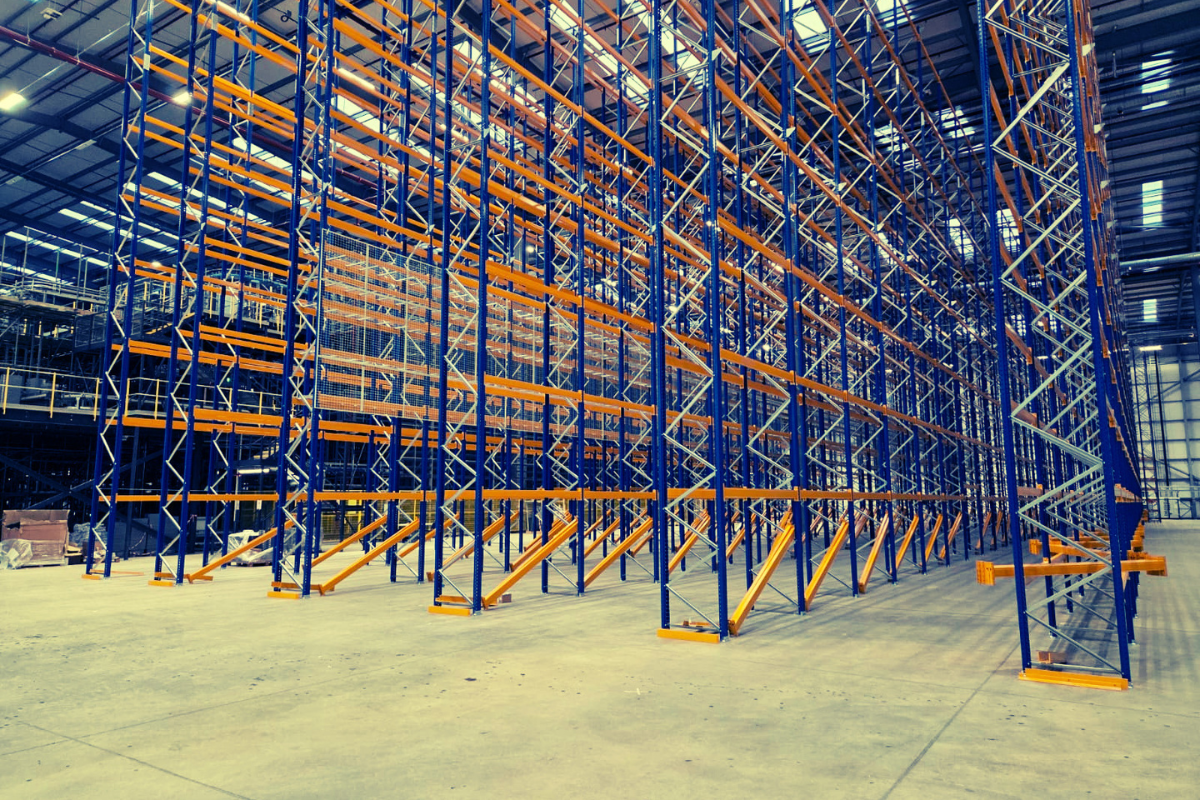
Agree how the racking is going to be taken down.
Say, before the work is booked, that it needs to come down carefully and that the bolts need to be cut. Put it in writing with whoever is doing the lifting.
This costs nothing. It is a sentence in a method statement, and it is the difference between a floor that needs its anchor points filling and a floor that needs chunks of slab rebuilding before anything else can happen.
What the full job looks like, in order
On a large distribution warehouse in the South West we took a floor through the whole sequence after the racking came out.
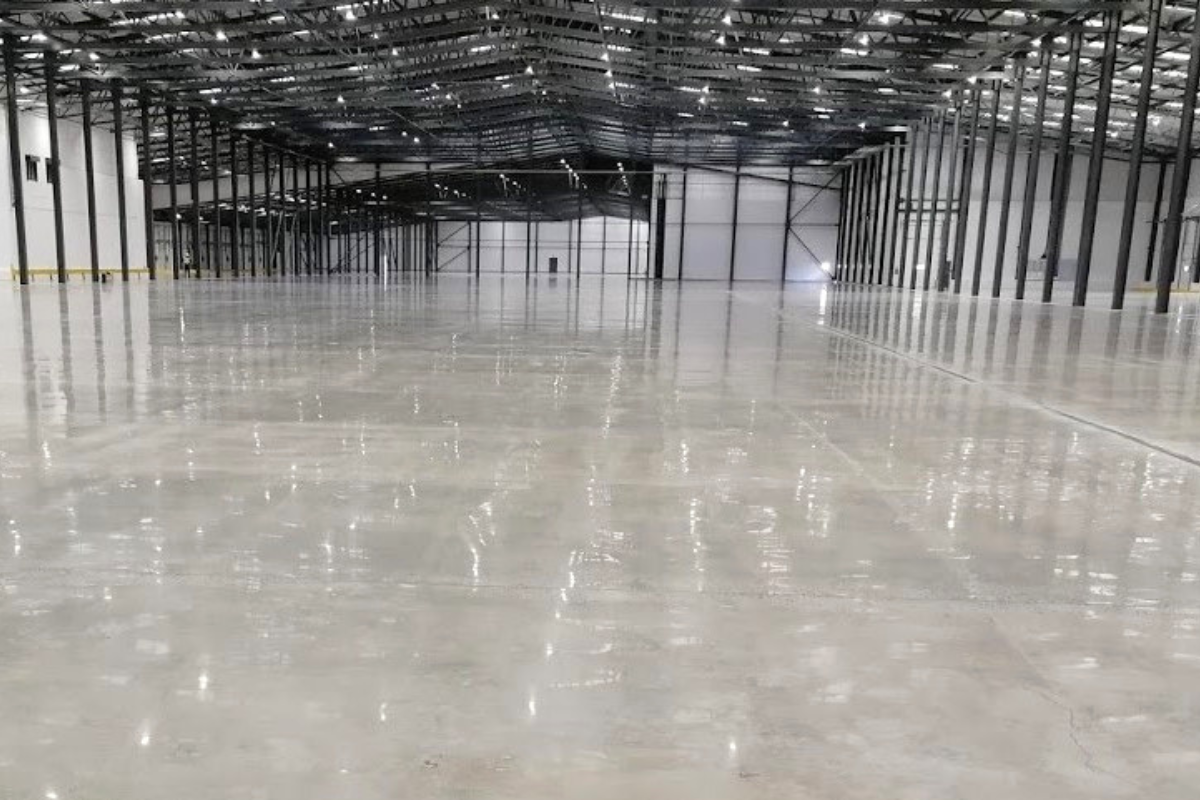
Every bolt was core drilled. The core drilling, the repairs and the infill were all done at the start of the job. Then the whole area was ground, using concrete floor grinding with diamond tooling. Then our DCF Express polished concrete system went on after that, finished to a high gloss.
Everything that disturbs the slab happens first, and the finish goes on a floor that has already been made whole.
Run it the other way, finish first and repair as you find things, and you are grinding and polishing twice in the same building.
Why January is the window, and why that cuts both ways
January is when distribution centres reconfigure, because peak is over and the building is as close to empty as it gets all year. It is the one point in the calendar where a floor can be worked on properly across its whole area.
It is also the point at which a floor problem becomes a programme problem. The new racking has a delivery date. If the slab needs remediation because of how the old racking was removed, that work sits between the removal and the installation, and everything behind it gets shuffled.
The same logic applies if the building is being handed back rather than refitted. Warehouse floor dilapidations get carried out prior to the return of the warehouse to the owner; and considerations on the floor condition from initial release to returned condition.
What goes in next decides what the floor needs now
Worth asking before the repairs are specified: what is going back into the building.
Conventional racking, VNA, AMRs or an automated system are not the same requirement, and the tolerance the floor has to hit changes with them. If automation is going in, floor flatness surveying and testing while the building is clear is the cheapest survey you will ever buy, and an empty warehouse after a racking strip-out is the best access anybody gets.
Doing the repairs, then discovering the tolerance, means opening the floor twice.
Why it is worth asking what is in the quote
All our machinery is owned and maintained in house. On this work it matters, because a floor that turns out to have more damage than the walk-round suggested needs a different machine that day rather than a conversation with a hire company.
“Because DC Flooring installs every major commercial flooring system, we’re not limited to recommending what we know best. We recommend what’s right for your floor, your environment, and your budget.”
On a stripped-out floor that cuts both ways. Sometimes the honest answer is that the bolt holes need filling and the floor needs nothing else.
Repairs are priced on what the removal actually left behind, which is why we look at the floor before we quote rather than publishing a rate per square metre. A floor with clean cut bolts and a floor with lifted slab are not the same job. You get a detailed quote before any work begins.
If the racking is coming out this winter, request a free site consultation and tell us what is going back in.
DC Flooring is the UK’s specialist in commercial and industrial flooring for warehouses, logistics facilities, food production environments, and automated warehouse systems, with over 20 years of completed projects across the UK and into Europe.
Tell us your floor size and approximate condition; we’ll come back to you with a detailed quote. No obligation, no sales pressure. Just straight answers.

- What is under your racking when it comes out - November 24, 2026
- Is 3D floor scanning the right way to survey an industrial concrete floor? It depends whether you want a picture or a grind plan. - November 20, 2026
- What a warehouse floor costs, and why nobody will price yours from just a photograph - November 17, 2026