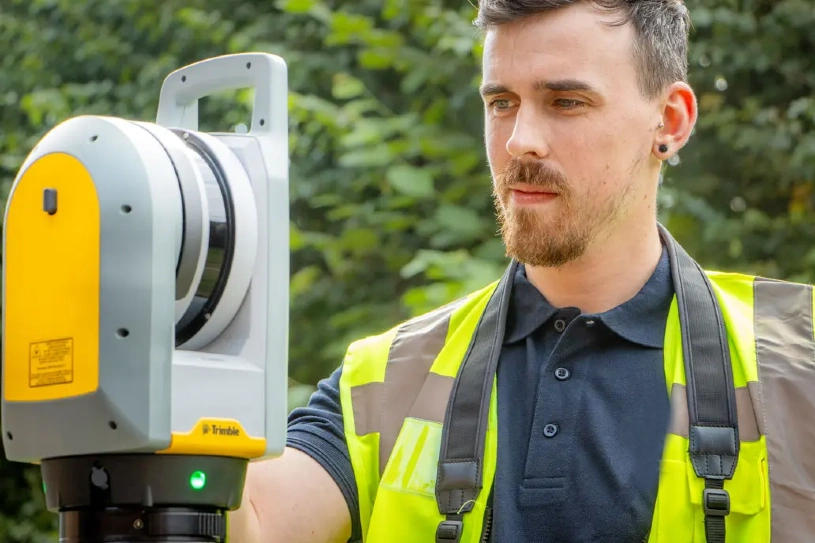
We never pay attention to floors when we walk in a building, unless there’s a sudden bump that we feel under our feet. That is so uncomfortable and may even be dangerous. More importantly, they are essential for premises where machines work as they may compromise their operations. To prevent such things, specialist contractors use floor flatness surveys. What are they? Keep reading and find out.

What is a Floor Flatness Survey?
A floor flatness survey is a detailed evaluation that measures the flatness and levelness of a concrete floor to determine how well it meets performance and safety standards. These surveys help identify surface irregularities that could compromise the running of MHE or goods-to-person robotics.
Carried out using advanced floor testing equipment, the survey results form part of a validated report covering both free and defined movement operations. The data gathered supports compliance with the Concrete Societys Technical Report (TR34) and other industry standards. When is this needed? You need it if you’re:
- Undertaking a new building
- Repurposing your current unit
- Doing a refurbishment project
- Setting up a new premise
When Are Floor Flatness Surveys Required?
Sometimes the flooring is acceptable for your application and you don’t need to do anything about it, but in other cases, surveys are mandatory. Here’s when:
- When the flooring sees lift trucks operate at high speeds.
- Where high level pallet racking is being used.
- Where automated storage and retrieval systems are being used.
- When lift trucks experience vibrations due to irregular flooring.
- When workers experience driving fatigue.
- When damages to stock occur frequently.
- When you clearly see there’s a lack of quality
Maintaining surface regularity is of utmost importance for premises where business is conducted, but also in ordinary living areas. Whenever you feel you need a survey, you should do it. Here’s how it’s done.
How Are Floor Flatness Surveys Conducted?
Several steps are required to do expert floor flatness surveys. Here is a short step-by-step guide:
- Preparation: Before the survey begins, the area must be cleaned and cleared of debris. Surveyors use site-specific information to plan the type of survey based on movement classification and expected performance.
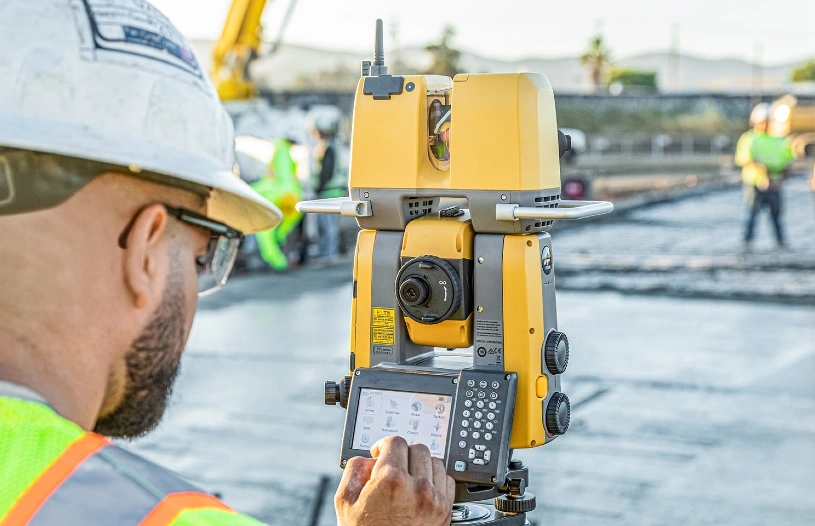
- Measurement: Expert surveyors use industrial-grade floor profiling machines, scanners and other flatness testing equipment to record accurate data. This phase focuses on measuring deviation, flatness, and levelness in accordance with standards like TR34 or DIN.
- Data Analysis: The next step after data is gathered is to do an analysis. Using specialist software the huge amounts of data that is collected from the profiling machines is analysed.
- Reporting: A detailed report is created, often including both graphical and numerical data. These validated reports cover both free movement and defined movement areas, giving a comprehensive picture of the floor’s performance.
5 Key Benefits of Conducting a Floor Flatness Survey
While benefits are obvious, there are things you don’t even notice to understand how valuable floor flatness testing is. Here are some of the most important benefits of it:
- Cost Savings Through Preventative Action – Once the flooring is finished, there’s no going back. That’s why prevention is the better option instead of fixing problems later. This will save financial costs and maintain an excellent reputation.
- Improved Safety and Functionality – A level floor surface supports safe and efficient running of MHE, reducing the likelihood of accidents and downtime due to unexpected vibration or load instability.
- Ensures Compliance with Construction and Flooring Standards – Surveys help ensure your floor meets the standards set by the Concrete Society and other bodies, particularly when installing industrial concrete floors in warehouse environments.
- Better Customer and Visitor Experience – Imagine an uneven floor that gives customers a hard time. It is a disastrous scenario. The floor survey is something to ensure users are satisfied and prevent potential hazards.
- Longevity of Equipment – Maintaining flatness in warehouses ensures less wear and tear on handling equipment, preserving their performance and extending their useful lifespan.
Key consequences
Sometimes ignoring issues that your floor has can be a big mistake, here are some of the issues that you may encounter:
- Reduced productivity: lower travel speeds and longer cycle times.
- Accidents: AMR’s and forklifts carrying large weights at great heights can lead to disastrous accidents.
- Increased equipment wear and failure: damaged wheels, bearings, mast components and electronic controls.
- Floor deterioration: chipped joint edges, dusting and loss of surface integrity.
- Safety and asset risk: higher likelihood of load‑to‑rack collisions, stock damage and unplanned downtime.
- Higher lifecycle costs: increased repair, remediation and replacement expenditure.
When Should You Conduct a Floor Flatness Survey?
Although you can do it anytime, it’s important to know when it is essential to conduct a floor flatness survey.
- Before installing the floor or coating to be sure the base is in tolerance for your application.
- After finishing the construction of the floor to verify its quality and conformity to the specification.
- When you’re performing regular check-ups.
- When you’re planning on installing new forklifts, racking or robotic automation systems.
- After experiencing operational problems related to the floor.

Why Hire a Professional Floor Survey Specialist?
Expertise in floor flatness surveys ensures accurate results and compliance with regulations. Professional surveyors use the latest scanning technology, understand defined and free movement criteria, and provide consultancy on where improvements are required. Their detailed reports and insights allow you to make informed decisions, especially for commercial and industrial concrete projects where performance is non-negotiable.
Accurate and Reliable Floor Flatness Surveys by DC Flooring
DC Flooring brings deep industry experience in surveying and testing industrial concrete floors. Using state-of-the-art floor profilers that are the most precise on the market, their team ensures absolute accuracy and delivers high-quality floor testing services. From initial assessment to detailed reporting, they support the safe and efficient operation of your warehouse floor and materials handling equipment.
Although the reports that DC Flooring produce are in depth and loaded with data, they are also easy to understand so that clients can understand what is happening with their floor and what repairs may be necessary.
FAQs
What tools are used in a floor flatness survey?
Surveyors use flatness testing equipment like industrial floor profilers and optical surveying tools to capture precise data across the floor surface.
How much does a floor flatness survey cost in the UK?
The cost varies depending on the size, complexity of the site and the specification of the report required. Detailed reports and standards compliance are typically included.
How long does a typical floor flatness survey take?
250m – 1000m of surveying is typical for a days work. It does however depend on the level of detail requires, specifications and site conditions. More complex spaces may require more time for profiling, data analysis, and reporting.

- Abrasion Resistance: Why It’s Critical for Industrial Floors? - November 11, 2025
- The Heel Drop Test: A Fast and Simple Way to Detect Delamination - October 30, 2025
- How a Cover Meter Survey Protects Reinforcement Integrity? - October 28, 2025