
Microcement vs polished concrete – They are popular contemporary flooring options. Both provide a sleek, modern look and are durable, ideal for homes and businesses.
They differ in composition, application, and finish, each with unique advantages. Knowing these differences helps you choose the right one for your project.
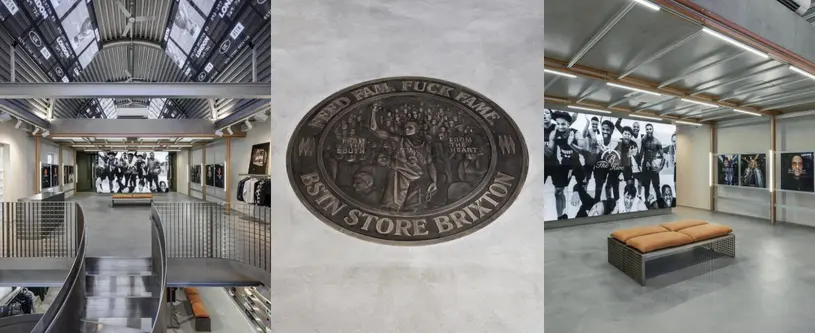
Benefits of Microcement Floor Over Polished Concrete Floor
More Control of Colour & Finish
The main difference between polished concrete and microcement is that the latter offers more control over colour, tone, texture, and aesthetics than polished concrete. Its application method and precise product measurements allow for various customisation options.
Homeowners and designers can achieve a personalised look that matches their vision. The seamless application of microcement eliminates joints and grout lines, creating a smooth, elegant surface for any space.
Low Applied Thickness
Microcement is applied at a depth of 2-3mm, much thinner than the 100mm required for polished concrete. This makes it ideal for projects with height limitations.
It’s beneficial for renovations where adjusting height or levelling floors can be challenging. Plus, microcement can be applied over existing concrete surfaces without significant demolition or structural changes, offering great convenience and flexibility.
Multiple Uses & Applications
Microcements are versatile and can be applied to walls, floors, ceilings, and stable surfaces in homes and businesses. This flexibility expands design possibilities and ensures cohesive aesthetics.
Whether in a living room, bathroom, kitchen, or even on exterior walls, microcement offers a consistent look. Its adaptability allows designers and homeowners to create unified, harmonious designs without limitations.
This makes microcement an excellent choice for projects aiming for a seamless visual flow.
Less Heavy / Noisy Machinery
Micro cement doesn’t need heavy, noisy grinding or diamond polishing tools unlike polished concrete. This makes it practical, unlike traditional polished concrete.
Its quieter, less invasive process minimises disruptions for offices or homes. Plus, no heavy machinery means faster application and lower labour costs. This makes microcement an efficient and cost-effective choice.
Fast Drying / Installation Time
Applying a microcement finished floor is quicker than polished concrete. It usually takes 4-5 days, depending on the project’s size and complexity. The faster drying time means the project finishes sooner.
This is ideal for commercial spaces and busy households where extended disruptions are inconvenient. The quicker process allows spaces to be used again sooner, making it great for time-sensitive projects.
Installation Timing Flexibility
Because microcement requires less installation time, it can be applied towards the end of a project. This flexibility reduces the risk of damage from other trades or activities. For example, you can install a microcement after a kitchen is fully set up.
This ensures the final flooring stays pristine, avoiding wear and tear from ongoing construction. Also, scheduling microcement applications later in the project can simplify planning and coordination. This makes it an excellent choice for busy renovation schedules and complex builds.
Retro Fitting / Installation Possibilities
Microcements are great for retrofitting. You can apply microcement over many floor finishes if the current substrates are stable. This requires minimal height changes and little excavation. It’s perfect for refurbishing and upgrading spaces while keeping the existing structure.
Want to refresh old tiles, wooden floors, or concrete surfaces? Microcement offers a sleek, modern look that can transform any space. Applying it over existing surfaces reduces the project timeline, costs, and disruptions. This makes it an efficient choice for both homes and businesses.
Less Danger of Cracking
Microcement offers a durable, resilient surface that cracks less than traditional polished concrete. Its flexibility allows it to adjust to slight movements in the base, preventing cracks.
This is especially useful in places with temperature changes or structural settling. By reducing cracking, microcement keeps its look and quality for a long time, making it a great choice for new builds and renovations where durability and looks matter.
Compatibility with Underfloor Heating
Microcement works well with underfloor heating systems because it has high thermal conductivity. On the other hand, polished concrete does not. This makes microcement an excellent choice for modern heating solutions.
It ensures efficient heat distribution throughout the space. This compatibility improves the comfort of living or working environments by providing a warm, evenly-heated surface. It also helps with energy efficiency, potentially lowering heating costs.
This is especially useful in colder climates or places where keeping a consistent temperature is essential. Combining looks with functionality, microcement offers an excellent solution for flooring in contemporary designs.
Debris Generation
Another benefit of microcement over polished concrete is applying it directly to existing surfaces without creating debris. In contrast, making a polished concrete floor requires construction work producing debris.
This makes micro cement a cleaner and more eco-friendly choice as it avoids the mess and hassle of demolition. This is especially important in homes, healthcare facilities, and other places where cleanliness and minimal disruption are crucial.
With less debris, microcement smoother the installation process and supports sustainable building practices by reducing waste.
Expansion Joints
Polished concrete needs expansion joints every 4 to 5 meters to handle movement and prevent cracks. These joints can break the smooth look of the surface and require extra care over time.
On the other hand, microcement is a continuous cover that doesn’t need these joints, giving a sleek, uninterrupted finish.
This makes microcement perfect for those wanting a modern look without visual breaks. Not having joints also makes installation easier and improves the durability and cohesiveness of the surface.
Durability
Microcement is known for its durability, which is great for busy commercial areas and homes. It can handle daily wear and tear, keeping its look and strength over time. Unlike traditional flooring needing frequent repairs, microcement lasts longer and requires less maintenance.
It resists impacts, stains, and abrasions, keeping surfaces clean and functional for years. This makes micro cement a smart choice for any project that needs strong and long-lasting materials. However, even though it is very durable, it is not as durable as polished concrete.
Moisture
Microcement resists moisture well, making it great for bathrooms, kitchens, and outdoor areas. Its seamless surface stops water from seeping in, which helps prevent mould and mildew.
This quality keeps the space clean and extends the flooring’s life. Microcement’s moisture resistance keeps it looking good and strong, even in damp conditions. It’s a versatile and practical choice for many uses.
Versatility
Microcement is highly versatile and can be used on many surfaces and in different environments. You can apply it to floors, walls, ceilings, and furniture, creating a unified look. It comes in many colours and finishes and can imitate materials like marble or stone.
This makes it flexible enough to match various style preferences. You can also use microcement both indoors and outdoors, making it great for patios, kitchens, bathrooms, and commercial spaces.
Its ability to blend with different design elements and functions makes microcement a popular choice for modern construction and renovation projects.
Waterproof
Microcement is excellent for waterproofing, perfect for bathrooms, kitchens, and outdoor spaces. Its seamless and non-porous surface keeps water out, preventing mould, mildew, and water damage.
This waterproof feature makes microcement last longer and helps keep spaces clean and hygienic. By blocking moisture, microcement protects the structure and appearance of areas that often get wet.
Advantages of Polished Concrete
Polished concrete is a popular flooring choice because it’s durable, looks great, and is easy to maintain. Let’s look at some key benefits that make it a favourite for many places.
- Exceptional durability for high-traffic areas and industrial environments
- Resistant to chipping.
- Suitable for garages, resisting tyre rolling
- Prevents dust accumulation with its smooth and shiny surface
- Enhances the sense of spaciousness
- Combines functionality with an attractive appearance
Disadvantages of Polished Concrete
Polished concrete has many benefits but also some drawbacks. These drawbacks could make it less suitable for certain uses. Knowing these cons is important to decide if polished concrete is right for your project.
- Its thickness varies between 100 to 150 mm.
- It can lose its shine over time due to abrasive liquids like industrial solvents requiring repolishing.
- It may crack if expansion joints are not correctly made or the flooring is misused.
- It can only be applied on horizontal surfaces.
- Polished concrete is not an excellent thermal insulator, making it unsuitable for places with extreme temperatures.
- The application process is time-consuming, involving construction work and machinery usage. Additionally, it has joints.
- Polished concrete floors have poor sound insulation.
- It is a material with low porosity and requires mesh for its structure.
Polished Concrete Finishes
Polished concrete is usually grey, but bold colour options like black, red, and green are available. You can use these colours in airports, car parks, garages, shopping centres, and factories. Polished concrete offers a few different finishes to match your design preferences. These finishes include:
- Cream Polish: A light polish that maintains the concrete’s natural colour while enhancing its shine.
- Salt and Pepper: This finish showcases the natural aggregate within the concrete, providing a textured appearance.
- High Gloss: A highly reflective finish that creates a mirror-like effect on the concrete surface.
Polished Concrete Bathrooms
Polished concrete bathrooms aren’t common, but people often mistake them for other finishes like burnished concrete or microcement. Microcement is popular for bathroom renovations because it’s versatile, waterproof, and non-slip. This makes it practical and stylish for both homes and businesses.
Microcement gives a smooth, modern look. It’s also easy to clean and prevents mould and mildew. The non-slip surface is safe, and it handles moisture well. This keeps bathrooms looking good and functioning well over time.

What Makes Polished Concrete Flooring Great?
Polished concrete is more than regular concrete. It undergoes a unique process with chemical densifiers and diamond polishing tools, which makes it smooth, shiny, and durable. It’s different from standard concrete floors.
Aesthetic Versatility
One of the standout features of polished concrete is its aesthetic versatility. It can mimic the appearance of high-end materials like marble and granite, offering a luxurious look without the hefty price tag. You can also choose from various colours to match your interior design.
Cost-Effectiveness
While the initial cost might seem high, polished concrete floors are a long-term investment. They are highly durable and require minimal maintenance, which makes them cost-effective in the long run. The cost per square metre can vary, but it’s generally competitive compared to other high-end flooring options.
You Can’t Decide Between Microcement and Polished Concrete Floor? Call Our Professionals to Help You
Choosing the right flooring is important. It affects how your space looks and lasts. At DC Flooring, we get that every project is unique. We can help you choose between polished concrete and microcement. Our team offers personalised advice and top-notch installations.
Don’t settle for less—contact DC Flooring today. Transform your space with a durable, stylish, and cost-effective floor. Call us or visit our website to book your consultation and start your journey to your dream floor.
FAQs
Is microcement more expensive than polished concrete?
The cost of microcement can vary based on a few factors. These include the complexity of the application, the size of the area to be covered, and the type of microcement chosen. Generally, microcement can be more expensive than polished concrete.
This is because its application process is labour-intensive and requires specialised skills, it also comes down to other factors such as the specification and size of the project. Microcement offers unique benefits.
It provides a seamless finish and design flexibility and works well on vertical and horizontal surfaces. These advantages may justify the sometimes higher cost for some projects. Ultimately, choose between microcement and polished concrete based on your needs, budget, and style preferences.
How to polish a concrete ceiling?
Polishing a concrete ceiling involves several steps, similar to floor polishing, but needs special tools and techniques because it’s overhead. Clean the ceiling thoroughly to remove dust, dirt, or debris. Use an industrial grinder with diamond pads made for vertical surfaces.
Begin with a coarse grit to smooth out irregularities, then move to finer grits for the desired shine. Apply a concrete densifier to harden and strengthen the surface.
Keep polishing with finer diamond pads until the ceiling is smooth and shiny. Due to the complexity and physical demands, hiring professionals for this job is often best.
Does microcement need applying a sealer?
Applying a sealer to microcement is crucial to protect and extend its lifespan. The sealer creates a barrier against moisture, stains, and wear and tear, keeping the microcement looking excellent and functional.
Without a sealer, the micro cement can absorb liquids, which can cause staining and damage. Sealing also improves the colour and finish, giving it a polished look.
How to grind microcement?
Grinding microcement is a precise process that needs careful preparation. First, make sure the surface is clean and free of debris. Use a floor grinder with diamond grinding pads made for microcement.
Start with a coarse pad to remove imperfections and level the surface. Then, switch to finer grit pads to polish it smooth. Keep the grinder moving evenly to avoid gouges or uneven spots. Ensure proper ventilation and dust extraction for a clean work area.
After grinding, clean the surface well before applying a sealer to protect and enhance the microcement.
Is microcement a good idea for interior design?
A microcement system is a great choice for interior design because it is versatile, durable, and looks great. It has a sleek, modern look can be customised with different textures and colours to match various styles.
You can use it on floors, walls, countertops, and furniture. Microcement creates a seamless and uniform surface that makes any space look better. Its thin layer can be applied over existing materials without significant changes, making it perfect for renovations.
Plus, it’s waterproof and easy to clean, ideal for high-traffic areas and places with moisture, like bathrooms and kitchens.

- Know your warehouse floor: was it built to FM or SR, and does that still matter? - October 21, 2026
- Concrete floor grinding: four machines, four different jobs, and the one your floor probably does not need - October 15, 2026
- Resin flooring: Epoxy, PU or MMA, and why the system you pick is not what decides how long it lasts - October 14, 2026